Key Technical Points for Forest Tree Planting and Detailed Cultivation and Management Methods
A tree is a tall woody plant, made up of "branches," a "trunk," and "leaves," and it can live for several decades.
Generally, trees with a distinct upright trunk are called trees; the plant is usually tall, with branches set high above the ground, forming a canopy. There are many kinds of trees, and in common speech, larger shrubs are sometimes also called "trees," such as pomegranate trees and tea trees.
Trees is the general term for woody plants, divided into trees (arboreal plants), shrubs, and woody climbers. Trees are mainly seed plants; among ferns, only tree ferns are trees. China has about 8,000 species of trees. They are divided into banyan; poplar; willow; cypress, and so on.
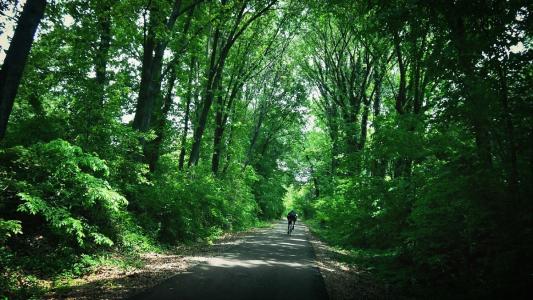
In national economic development, forestry is a very important component, able to maintain ecological balance and protect the environment. In recent years, global warming has gradually worsened, people have gradually come to recognize the importance of ecological protection, and support for forestry has gradually increased, such as implementing the Grain for Green program. But policy support alone is not enough for forestry development; research on tree cultivation and planting techniques also needs to be strengthened, to provide strong technical support for the comprehensive development of forestry.
Functions
The kingdom of trees can improve the quality of the environment on which human survival depends. The kingdom of trees and green plants continuously carry out photosynthesis, consuming carbon dioxide and producing fresh oxygen; more than 60% of the oxygen in the air comes from trees and green plants on land, so people compare trees and green plants to "oxygen factories" and "fresh air processing plants." In the kingdom of trees, many trees can also secrete bactericides to kill various germs in the air; they can also absorb toxic gases emitted by industrial production, retain smoke and dust that pollute the atmosphere, and eliminate noise pollution harmful to humans.
In summer, people feel a great difference between being under tree shade and under direct sunlight. In summer, people feel cool under tree shade. This is because the dense green leaves of the tree canopy can block sunlight and absorb the sun's radiant heat, thereby lowering the temperature in the micro-environment. Trees are like giant pumps, continuously absorbing water from the soil into their bodies, and then, through transpiration from the leaves, diffusing most of the water absorbed by the roots into the atmosphere as water vapor, thereby improving and regulating the relative humidity of the air.
In addition, the kingdom of trees can also play an important protective role for the environment on which human survival depends. We know that strong winds can increase soil evaporation, reduce soil moisture, and cause soil wind erosion. In severe cases, the resulting sandstorms can bury towns and farmland. According to 1984 statistics from the United Nations, 6 million hectares of land are buried by sand every year, one third of the world's land is at risk of desertification, and it called on the international community to fight to stop desertification in some regions of the world. "If you want the wind and sand to stay, you must plant more trees." The effective way to prevent wind and fix sand is to plant forests and set up shelterbelts, so as to reduce wind speed and block the erosion and movement of windblown sand.
In mountainous areas with few trees, a miserable scene easily forms: "Pray for rain in drought, and when the rain comes it washes everything away, taking away the fertile soil and leaving only stones." But the uneven canopy and branches and leaves of trees can intercept and block rainwater, slow the intensity of showers, effectively prevent soil erosion, and conserve water sources. This is the principle behind what people often call "green mountains and clear waters" and "blue mountains and green waters." However, if humans violate the laws of nature, they will be punished by nature. Six thousand years ago, the Shaanxi-Gansu area of China was a beautiful, vibrant place, with green mountains and clear waters everywhere, towering trees, green grass like a carpet, birdsong and fragrant flowers. But by the Tang Dynasty, the green mountains here were gone, the clear waters had dried up, and all that appeared before people was a boundless desert. The reason this place turned from green mountains and clear waters into desert is our excessive felling of forests, unlimited reclamation of grasslands, long-term destruction of vegetation, and unreasonable development and use of natural resources. In July and August 1983, Sichuan Province suffered a rare catastrophic flood in history, submerging more than 12.5 million mu of crops in 53 county towns, reducing grain output by 3 billion jin, collapsing 1.6 million houses, with direct economic losses reaching more than 2 billion yuan. One important reason was that during the Cultural Revolution, forest resources in the upper reaches of the Yangtze River suffered devastating destruction, greatly weakening flood control capacity and thus causing severe soil erosion.
Deodar cedarBoxwoodOsmanthus treeChinese yewLondon planePittosporumOil teaBamboo willowRedbudBegoniaLilacChinese scholar treeTrident mapleAmerican red mapleRadermacheraElaeocarpusCamphor treePear blossomPodocarpusWhite magnoliaJacarandaDaidai flowerChristmas treeFraxinus hupehensisDove treeBodhi treeBottle palmDogwoodSilk treeMidget crabappleKapokYuccaBauhiniaMagnoliaOrnamental peachKousa dogwoodGreen calyx plumSycamoreFish-tail palmGardeniaJapanese mapleDuabangaHorse chestnutSchimaStaghorn sumacSweetgumBauhiniaPeacock flowerSmoke treeMahoganyPalm treeSpiny tree fernHoneylocustSaucer magnoliaGolden treeMicheliaPaulowniaChinese tallowDracaenaRed flower manglietiaSea mangoRound-leaf fan palmTreesAsh treeBanyanSpruceDracaena fragransChinese honeylocust thorn treeDragon's beard treeFirespikeQueen's crape myrtlePhotiniaOil tea treeRedbud treeChinese honeylocustEvergreen osmanthusLove pea
AzaleaPurple magnoliaSago palmMulberryCrape myrtleOleanderCamelliaHibiscusWintersweetNandinaJade plantCoral treeRoxburgh roseThymeKerriaRose mallowManukaRed bird cactusOriental paperbushJacobiniaTelegraph plantCane begoniaChinese snowballPoinsettiaLantern flowerWeigelaWisteriaSilver willowUmbrella treeDwarf flowering cherryCrape jasmineJapanese barberryRed-back excaecariaGolden-edged serissaRed magnoliaCherokee roseTofu treeHairy azaleaSkimmiaSpicebushGolden beanNight jasmineMadagascar periwinkleHyssopRangoon creeperGeraniumCoralberryPeriwinkleMadagascar periwinkleWeigelaCaraganaElderberryFiddle-leaf coral plantPistaciaFragrant dracaena