Jade Plant Growing Methods and Care Tips Explained
The jade plant, also known as stonecrop. The leaves are fleshy, elliptical and grayish green. Among cultivated varieties there is also the slender-leaved stonecrop (also known as the golden branch jade leaf). It likes a warm, dry climate and plenty of light. The optimum growing temperature is 20-25°C. The jade plant has thick, fleshy leaves and stays evergreen all year round. Depending on its size, it can be placed on a sunny bedroom windowsill or balcony for growing. Because it releases oxygen at night, it is beneficial to human health and is suitable for long-term placement in the bedroom.
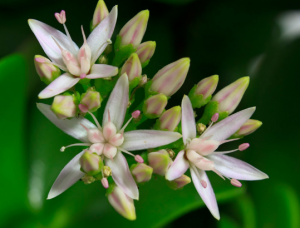
Choosing a Flower Pot for Growing Jade Plant
(1) Requirements for pot material: clay pots, plastic pots, porcelain pots and ceramic pots can all be used. To coordinate with home decor, porcelain pots can be used for growing it.
(2) Pot size: jade plants are generally grown in pots with a diameter of 16-28 cm.
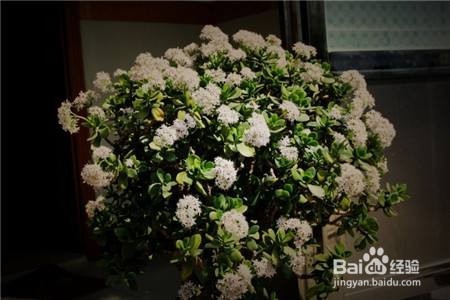
Growing Methods:
1. Potting soil requirements: the most suitable time for repotting and planting is early spring. The potting soil should be loose, fertile and well-drained. You can use 2 parts leaf mold or peat soil, 2 parts garden soil, 3 parts coarse sand and 1 part limestone gravel, or 3 parts each of leaf mold, garden soil and coarse sand, plus 1 part each of bone meal and plant ash, thoroughly mixed as the potting soil. 3
2. Temperature requirements: a temperature between 20-30 degrees is most favorable for jade plant growth. Spring and autumn are the most suitable growing seasons for the jade plant. The jade plant fears strong light. When the temperature is high in summer, be careful to place the plant in a cool place and avoid direct sunlight. When the temperature of the jade plant's growing environment is higher than 38 degrees, its growth rate will begin to slow down and it may even enter a brief dormancy. In winter, be careful to manage the temperature well, place the plant in a greenhouse, preferably in a spot with light. The room temperature must not be lower than 7 degrees. Below 0 degrees the plant will freeze to death. A jade plant in its growing period, apart from needing shade during the high heat of summer, should always be placed in a spot with plenty of sunlight.
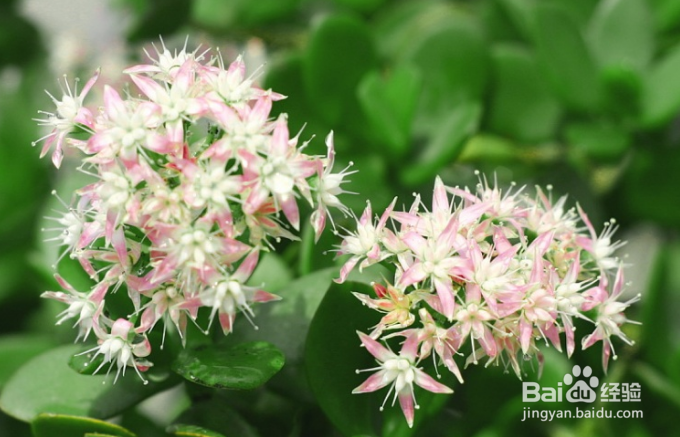
3. Watering requirements: when the jade plant is in its growing period, the watering frequency needs to be controlled to once every two to three days. There must be no waterlogging, and the potting soil should also be kept from becoming too wet. When growing jade plants in summer, control the number of waterings well and increase ventilation, so as to prevent the jade plant from dropping its leaves. When growing jade plants in winter, reduce watering. The specific principle depends on how dry or wet the potting soil is. Slightly dry potting soil is preferable.
4. Fertilizing requirements: during the jade plant's growing period, fertilizer can be applied appropriately. Generally apply 2-3 times a month a thin, well-rotted cake fertilizer solution. When changing the soil or before planting, sufficient base fertilizer should be applied; well-rotted organic fertilizer, such as chicken manure, pigeon manure, bone meal, human waste and urine, and various cake fertilizers, can all be added to the potting soil as base fertilizer. To keep the plant's shape full, fertilizer and water should not be excessive, so as to avoid leggy growth.