What to Do About Cold Damage in Flowers? Symptom Identification and Prevention Methods
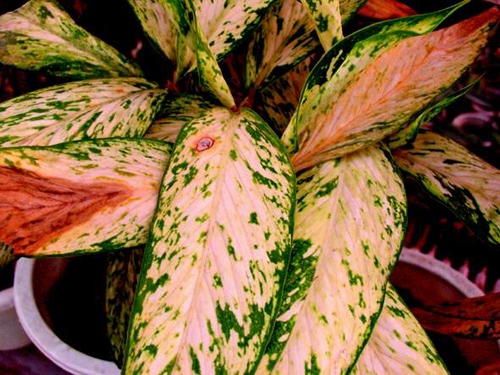
When flowers suffer mild cold damage, herbaceous flowers show discoloration, necrosis and spots on the surface; woody flowers also show bud blight, cracked bark, gum exudation and leaf drop. When flowers suffer severe cold damage, herbaceous flower leaves become water-soaked and soft, then drop off, and the plants may even die; woody flower buds turn black, buds and petals discolor and drop, and branches may even die back or roots may be injured.
For flowers with mild or moderate cold damage, first move them to a completely dark environment at a moderate temperature of about 100C, then raise the temperature slowly so they gradually resume growth. Do not immediately move the plants to a place with ample light and higher temperatures, otherwise the plants will die. This is because the plants' growth and development capacity has already been damaged and they need a recovery process. Flowers with severe cold damage generally cannot be saved.