Detailed Guide to Thyme Planting Methods and Technical Key Points
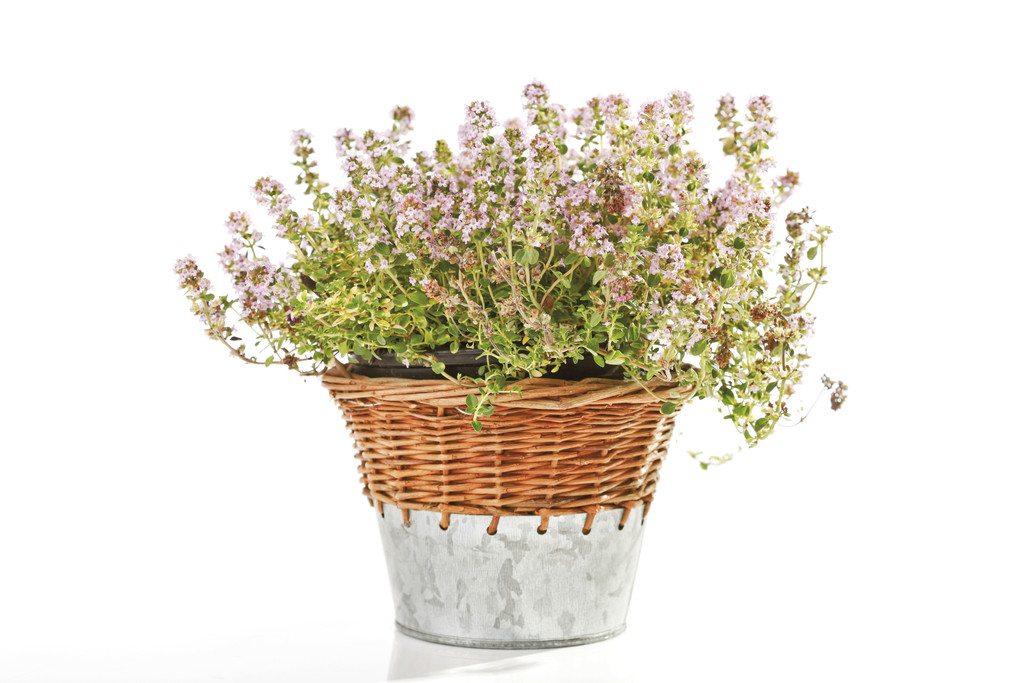
Thyme (scientific name: Thymus mongolicus Ronn), a subshrub, with oval leaves, head-shaped inflorescences, tubular bell-shaped or narrowly bell-shaped calyx, and purple-red, purple or pale purple, pink corolla, flowering from July to August,nutletsnearly round or oval. It can be used as a food ingredient, a common spice in European cooking, with a pungent aroma, used to add to stewed meat, eggs or soup.In European tradition, thyme is considered a symbol of courage, so in the Middle Ages it was often given to knights setting out for battle. In China it is called Dijiao, Dihuajiao, Shanjiao, Shanhuijiao, Shexiangcao and so on, and is produced in the northwest region. In the Yuan Dynasty's Jujia Biyong Shilei Quanji, there is a record of using thyme to season camel hump and camel hoof.

Notes on Growing Thyme
Sowing
Temperature
A warm environment is conducive to vigorous growth of thyme, and the suitable temperature is about 20-25°C.
Thyme has strong cold resistance, but is greatly affected by high-temperature and high-humidity climates, which will significantly inhibit the normal growth of the plant and easily cause the plant to rot.
It is best to grow it in a shaded place, and in summer especially attention should be paid to keeping the environment cool. Specific cooling measures can include spraying water around the plant and strengthening ventilation.
Light
During the growing period, it needs to receive sufficient light. If the requirement cannot be met, the plant may become leggy.
In summer and autumn, on days with strong direct light, timely shading treatment should be carried out to avoid the branches and leaves being scorched by strong light.
Watering
The slightly fleshy leaf structure gives thyme relatively good drought tolerance, but it has poor resistance to waterlogging.
Overly moist potting soil will affect the normal growth of the plant's root system and branches and leaves, reduce the plant's essential oil content, and in severe cases cause root rot and plant death.
Do not water if the potting soil is not dry; when watering, water thoroughly, and try to maintain a slightly dry soil state rather than making the soil too wet.
During the rainy season, special attention should be paid to removing accumulated water from the pot; in winter, the plant's water requirement is lowest, and at this time the potting soil should be kept even drier.
Fertilizing
In winter, the plant's growth slows down and its fertilizer requirement is very small.
In spring and autumn, it enters the peak growth period, and a thin fertilizer should be applied once every half month.
Some varieties have markings on the leaf surface, and applying a phosphorus-potassium compound fertilizer can make the markings more vivid.
Fertilizing should be stopped in summer. Applying excessive fertilizer during the plant's weak growth period in summer can easily cause root rot and death.

Pruning
Young seedlings can be pinched to promote branching and grow more densely.
Regular pruning can help thyme form an attractive plant shape, and it is also good for ventilation and light penetration inside the plant.
When pruning, attention should be paid to the strength and degree, and it should not be cut too low to damage the lignified part, which will affect the sprouting of new buds.