Detailed Explanation of the Planting Methods and Techniques for the Telegraph Plant
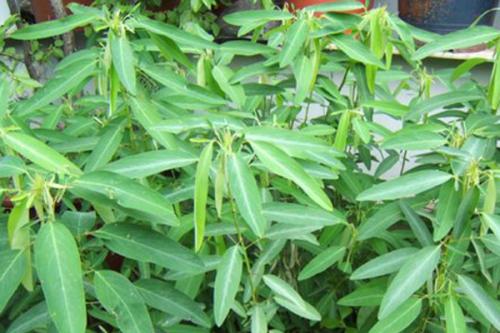
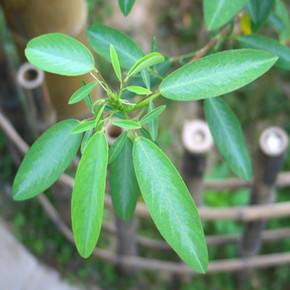
The telegraph plant (Codariocalyx motorius) loves sunlight. Grown in pots it reaches about 70-100 cm tall, while planted in the ground it can reach 1.5-2 m. Each leaf stalk bears 3 delicate leaflets. When the temperature reaches above 25°C and is stimulated by a sound of 70 decibels, a large number of linear small leaflets grow on both sides of the leaf, and they are extremely sensitive to sound waves. When the temperature is not lower than 22°C, especially in sunlight, they will continuously swing up and down when stimulated by sound waves, like a butterfly gently fluttering its wings in flight, or like a young girl on stage softly stretching her graceful arms, and this is how it got its name. It grows on hills, in open fields and in shrub thickets. It loves sunlight and tolerates drought.
The planting method for the telegraph plant
Preparation before planting: telegraph plant seeds are hard, with a shiny waxy coating on the surface, and under natural conditions they take several months to sprout. Therefore, before sowing, the waxy coating on the surface of the seeds should be gently rubbed with sun-heated or dry-fried fine sand to slightly break the seed coat, then soak the seeds in warm water at 38°C for more than 24 hours (the water can be changed several times during this period). Then wrap the seeds in coarse cloth and place them in a warm, moisture-retaining place. Once the seeds swell and are slightly dried in the sun, they can be sown.
Sowing: the suitable temperature for sowing the telegraph plant is 20-28°C. Spread the seeds thinly over the soil, cover them with a thin layer of growing medium about 1-3 times the diameter of the flower seeds, then spray an appropriate amount of water over them, and cover the mouth of the pot with a glass pane or plastic sheet to reduce water evaporation. Place the pot in a shaded place away from light, and remember to open it for 15-20 minutes every day for ventilation. Germination generally occurs in about 8-10 days.
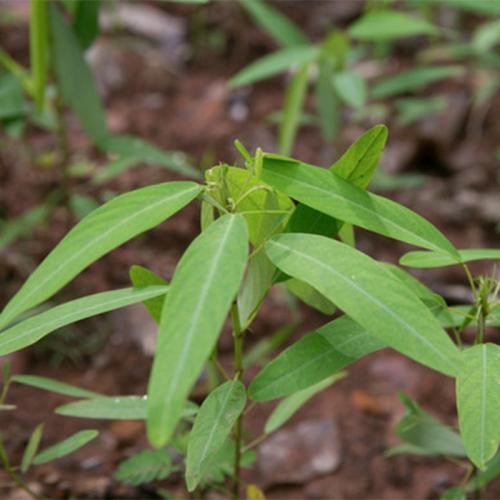
Care after sprouting: when the first pair of leaves of the telegraph plant seed unfolds symmetrically, remove the covering promptly and place the pot in a sunny spot, but avoid direct sunlight. When the first pair of cotyledons of the telegraph plant has fully unfolded and turned green, gradually increase the time of exposure to direct sunlight and water appropriately. When the telegraph plant grows its second pair of true leaves, it means it has passed the most difficult stage of growing the telegraph plant; afterwards, as long as temperature, moisture, light and other factors are well managed, the telegraph plant will grow vigorously.
Repotting: when the telegraph plant seedling grows to nearly one cun (about 3.3 cm), it needs to be repotted. When repotting, be careful not to damage the fibrous roots of the telegraph plant. When taking the seedling out, dig a hole of appropriate width and depth in the center of the flower pot, let its root system spread out fully, cover with growing medium, press lightly, and then water an appropriate amount.
Management: during the growth period of the telegraph plant, pay attention to timely watering and fertilizing, loosening the soil and weeding, timely drainage, and pest control. When the seedling is more than 25 cm tall and the telegraph plant is growing vigorously, promptly remove the terminal buds to promote more branches and leaves and improve its ornamental value. In hot weather of 35°C, pay attention to shading and cooling to prevent the scorching sun from burning the leaves.