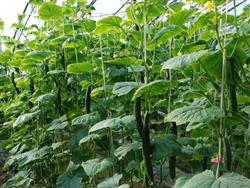
High returns from using the five-change planting method for overwintering cucumbers
Change dense planting of seedlings to rational sparse planting. In winter, temperatures are low and light is weak, so cr...
Change dense planting of seedlings to rational sparse planting. In winter, temperatures are low and light is weak, so cr...
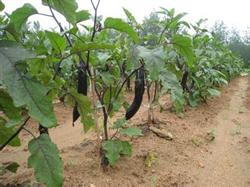
Furrow application. Vegetable growers have become accustomed to applying chemical fertilizer by broadcasting it with irr...
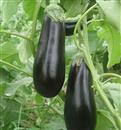
Seedling-stage fertilization: To grow seedlings with thick stems, short internodes and well-developed roots, the seedbed...
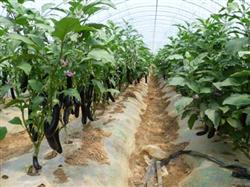
1. Appropriate amount. Eggplants have the highest demand for nitrogen fertilizer, but in high-temperature seasons, each ...
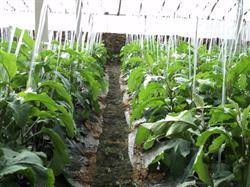
Eggplant is an annual herbaceous plant, and a perennial shrub in the tropics. Eggplant has a well-developed root system;...
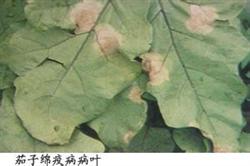
The pathogen of eggplant Phytophthora fruit rot is Phytophthora melonis, and the disease is severe under conditions of h...
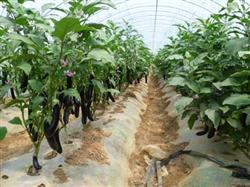
After eggplants bloom and bear fruit heavily, the root system's absorption capacity gradually declines, causing a reduct...
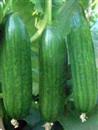
Thornless cucumbers prefer fertile soil, so apply sufficient organic fertilizer along with nitrogen, phosphorus, and pot...
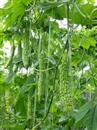
Bitter melon is a heat-tolerant crop with few pests and diseases. Using a solar greenhouse for intercropping cucumber wi...
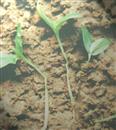
In the process of off-season cucumber cultivation under plastic film-covered greenhouses, when cucumbers enter the flowe...
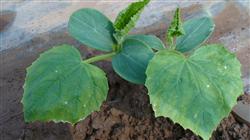
Cucumbers need a lot of fertilizer throughout their life. Besides applying a sufficient amount of base fertilizer (inclu...
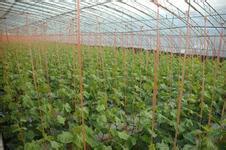
Cucumbers are very sensitive to fertilizer. When applying top dressing, pay attention to the following points: 1. From t...
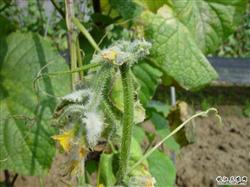
Cucumber phytophthora blight occurs in all regions. It is one of the important diseases of cucurbit crops. It can harm m...
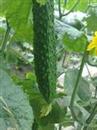
Nutrient Requirements Cucumbers are best grown in loose, fertile soil with good aeration. Heavy clay soil is not conduci...
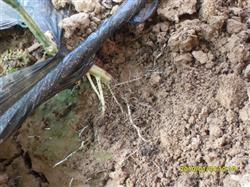
After cucumbers are transplanted, growth and development accelerate, and the growth of the plant's stems and leaves, the...
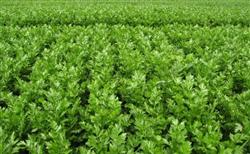
The suitable temperature for celery seed germination is 15-25°C; above 30°C germination becomes difficult. When sowing c...
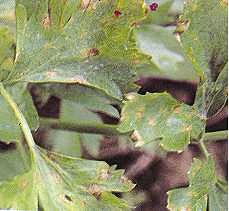
Celery late blight, also known as leaf spot disease and leaf blight, is a common disease in celery. Late blight in green...
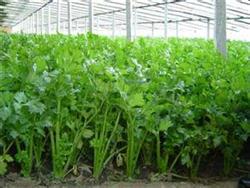
I. Seedling Stage: When the sprouts push through the soil, water lightly once, and the seedlings will emerge completely ...
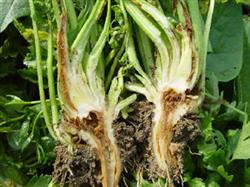
Celery heart rot is a common physiological disease in spring celery production. The tender tissue at the growing point o...
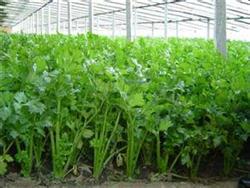
In recent years, many places have bred some excellent conventional celery varieties, which also occupy a relatively larg...