Control methods for acute seedling death in greenhouse cucumbers
In the process of off-season cucumber cultivation under plastic film-covered greenhouses, when cucumbers enter the flowering and fruiting stage, cucumbers that were growing well earlier often suddenly show acute seedling death within a few days. This acute wilt disease of cucumber develops rapidly and is difficult to control. Its causes: weather...
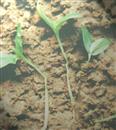
In the process of off-season cucumber cultivation under plastic film-covered greenhouses, when cucumbers enter the flowering and fruiting stage, cucumbers that were growing well earlier often suddenly show acute seedling death within a few days. This acute wilt disease of cucumber develops rapidly and is difficult to control. Its causes:
Weather problems: continuous overcast rain or sudden clearing after snow, with temperature inversion leading to rapid seedling death; ventilation problems: when cucumbers enter the flowering and fruiting stage, on sunny days with high temperatures, large ventilation volume and rapid leaf transpiration, some plants with poor rooting begin to wilt, and those with severe water loss wither entirely; cold damage or freezing damage causes partial damage to the greenhouse film surface, and cold wind entering causes wilting and seedling death; excessive fertilizer concentration: especially when chemical fertilizer is applied close to the stem base of cucumbers, it easily burns and kills the seedlings.
In places using greenhouses for heat-preserving cultivation, acute wilt disease of cucumber occurs to varying degrees every year. To prevent it early, the following measures should be taken.
1. Water appropriately according to the seedlings and the time.
The root system of cucumber is relatively well developed, but new roots mostly form in the surface soil layer. Avoid watering mistakes that inhibit the growth of the root population, and pay attention to watering according to the seedlings and the time.
Water little at transplanting, and water moderately for seedling recovery. When temperatures are low, soil moisture is high, or continuous rainy weather occurs, water little or not at all for seedling recovery. When entering the peak fruiting stage, combine topdressing with irrigation, applying fertilizer with water, watering about once every 10 days, and strictly prevent a single excessive fertilization from burning the cucumber seedlings. Watering should be done in the morning on sunny days, and avoid watering in the afternoon and evening. On rainy days, do not water the entire greenhouse. Water little and often; do not flood irrigate.
2. Reasonably control the temperature inside the greenhouse.
In the early stage after transplanting, generally do not ventilate. During the day, keep the greenhouse at 25°C-30°C, and at night keep it at 12°C-15°C, not lower than 10°C. As the cucumber seedlings grow, timely adjust ventilation and control temperature. Its effects are: preventing disease occurrence; avoiding plant aging; replenishing carbon dioxide. However, temperature regulation must be beneficial to cucumber growth. Generally, ventilate when the daytime temperature rises to 30°C, and close the greenhouse film when it drops to 28°C in the afternoon. During the fruiting period, the temperature should not be lower than 12°C.
Regularly clear the ditches and paths around greenhouse-planted cucumbers to ensure they are unobstructed, so as to facilitate timely irrigation and drainage, and achieve rapid water filtration. Every day, check whether the greenhouse film is damaged or not fully covered, and repair it promptly to preserve and increase heat. Before strong winds and temperature drops arrive, cover with straw mats and secure the ropes to prevent cold wind from intruding and damaging the cucumber seedlings.