What are the causes of dry tips and yellow leaves in ginger and what are the control measures?
During ginger cultivation, many farmers often notice dry tips and yellow leaves in their ginger during management, which tends to cause poor growth and weak vigor, ultimately affecting yield. So what causes dry tips and yellow leaves in ginger? And how should they be controlled? Let's take a look.
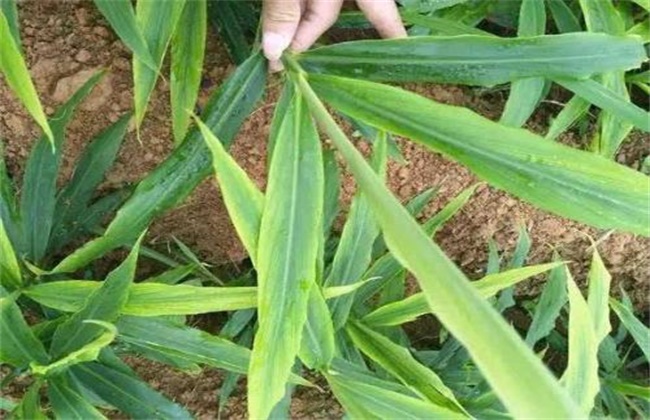
I. Causes of dry tips and yellow leaves
1. Ginger is a shallow-rooted crop that likes moisture but fears waterlogging and drought. When it encounters prolonged high temperature and drought, or continuous rainy days during the growing period, its normal growth and development will be affected, causing leaf tips to dry and leaves to turn yellow.
2. When applying base fertilizer, if inadequately decomposed farmyard manure is used, the manure will ferment faster in the soil under high temperatures. During fermentation it releases a large amount of heat and ammonia, which can easily burn the roots and cause gas damage, also leading to dry tips and yellowing in ginger.
3. When ginger develops nutrient deficiency, dry tips and yellow leaves also appear. For example, when iron is deficient, the leaves turn white, ginger grows slowly, the plant becomes stunted, the leaves are small, and they yellow and curl.
4. Ginger is a shade-tolerant plant. When light is too strong and temperature is too high, the water lost through transpiration far exceeds what the roots can absorb, so the plant is highly prone to wilting from water loss, yellow leaves and dry tips.
5. Improper use of pesticides, especially improper use of herbicides causing phytotoxicity, can also lead to varying degrees of pesticide damage in ginger, such as slow growth of ginger seedlings, yellowing leaves and weak vigor.
6. Diseases such as Fusarium wilt, ginger blast, root rot, anthracnose, leaf spot and leaf blight cause yellow leaves, with different symptoms; in some cases the problem is underground, and in others it is above ground.
II. Control measures
First, organic fertilizer and farmyard manure used as base fertilizer and topdressing must be fully decomposed; an appropriate amount of microbial bacterial fertilizer can also be added to the base fertilizer. Nutrient deficiency is related to the plant itself lacking nutrients and to excessive nitrogen fertilizer use causing the roots to resist taking up other elements; the trace elements the plant needs can be supplemented by foliar spraying. For dry tips and yellow leaves caused by high temperature, shade with a shade net in the early growth stage to reduce leaf transpiration, and remove the film promptly after seedlings emerge to prevent high temperature from scorching ginger leaves. When phytotoxicity occurs, promptly spray a solution of 50g vinegar + 50g urea + monopotassium phosphate + brassinolide mixed with 30 jin of water, and at the same time drench the roots with the microbial agent Diliwang. For pests and diseases, adopt integrated control and apply the right remedy to keep the condition under control as much as possible and prevent further spread.
The above is an introduction to the causes of dry tips and yellow leaves in ginger and the control measures. We hope it helps you. To learn more related knowledge, please follow us.