-
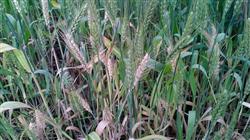
Wheat sharp eyespot must be controlled early in spring with thifluzamide
In recent years, the area of direct-seeded rice in northern Jiangsu and other places has been relatively large, resulting in a generally late wheat sowing period. To ensure the yield of late-sown wheat, the seeding rate is often greatly increased, with high-rate fields using 20-30 kg of seed per mu. The wheat seedlings in the field grow too densely, and as spring temperatures rise, the wheat quickly resumes growth, and the field canopy density...
-
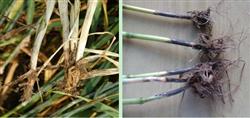
How to prevent and control wheat take-all? Seed dressing is a key step
Wheat take-all, also known as black foot disease, is a devastating disease in wheat production. After wheat is infected, tillering decreases, the rate of earing drops, and the 1000-grain weight declines; in mild cases, yield is reduced by 10%-20%, and in severe cases by more than 50%, or even total crop failure. Wheat can be affected throughout its entire growth period, but it is most severely damaged at the seedling stage and when the seedlings are 15 cm tall...
-
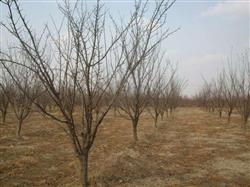
Pest Control Methods and Technical Key Points for Apricot Cultivation
Apricot seed wasp: Larvae overwinter inside fallen apricot pits or inside pits on branches. Female adults lay eggs between the pit shell and the kernel. The egg-laying hole on the fruit surface is not obvious, slightly grayish-green, and sunken; sometimes apricot gum flows from the egg-laying hole. The egg stage lasts about 10 days. The hatched larvae feed on the kernel inside the pit, causing a large number of fruit drops. Around early June...
-
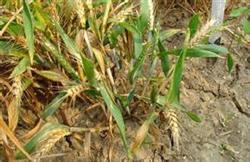
How to prevent and control wheat yellow dwarf disease? Detailed explanation of its occurrence and control measures
Wheat yellow dwarf disease is a viral disease mainly spread by aphids, and in some years the damage is quite severe. Symptoms: when infected at the seedling stage, the leaves lose their green color and turn yellow, and the plants are severely stunted; the leaves of severely affected plants often cannot survive the winter, or after overwintering cannot joint or head. Plants infected later show no obvious stunting, and the upper...
-
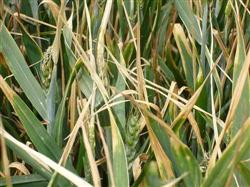
Pay attention to pest and disease control at the wheat seedling stage to ensure robust growth of the wheat seedlings
In recent years, symptoms of blighted white heads have often appeared in some fields during the milk-ripening stage of wheat, greatly affecting wheat yield and quality. The causes of wheat white heads are mainly diseases and pests, such as sheath blight, root rot, take-all, fusarium head blight, wheat stem maggot, wheat stem moth, and wireworm. The damage caused by different diseases and pests...
-
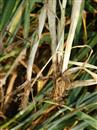
What are the integrated control methods for wheat take-all disease?
Wheat take-all is a typical root disease, capable of infecting wheat from sowing through to harvest. The main sites of infection are the wheat roots and the 1st to 2nd nodes of the stem base. After infection by the pathogen, the roots turn black and rot, losing their ability to absorb water and nutrients, which causes the above-ground parts to dry up and die, resulting in white heads. 1. ...
-
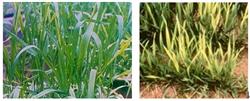
What are the control methods for waterlogging damage in wheat?
Boron deficiency symptoms in wheat generally appear first in new growth, showing as terminal buds that easily die back, a long flowering duration, sometimes heading and tillering at the same time, and a prolonged growth period; stamens are poorly developed, anthers are thin and small, empty and not dehiscing, not shedding pollen, pollen is scarce or malformed, the ovary swells horizontally, the glumes do not close front and back, and later wither;...
-
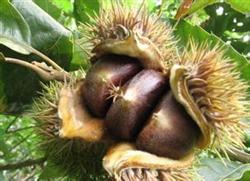
How to prevent and control empty burs in chestnut? These methods are very practical
Chestnut "empty burs" is also called "empty bur", and the empty bur rate can reach 30%-90%, affecting chestnut yield. The main causes of empty burs in chestnut are: (1) poor pollination and fertilization during the chestnut flowering period. (2) boron deficiency and available phosphorus deficiency in the soil. (3) the influence of other factors. First, variety: different varieties have different numbers of female and male inflorescences and consume different nutrients, so the empty bur rate also differs. The...
-
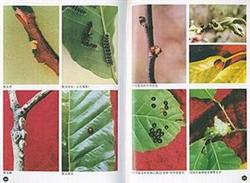
How to prevent and control chestnut pests? A detailed guide to practical control methods
1. Chestnut gall wasp The chestnut gall wasp, also called the chestnut tumor wasp, has a dark brown head and abdomen in the adult stage, filiform brown antennae, and a swollen, jet-black thorax. It lays eggs inside buds from June to July, and the larvae grow and overwinter inside the buds. In spring, when the buds sprout and produce short shoots, the affected branches or leaf stalks swell into galls (tumors), causing the branches and leaves to wither and die and weakening the tree...
-
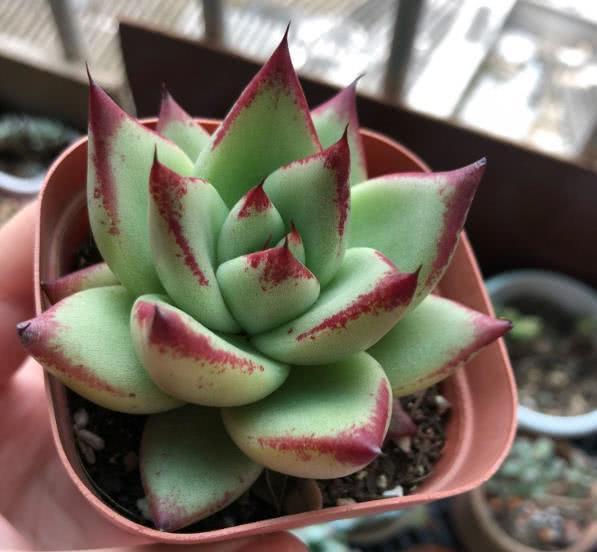
For succulents this season, control watering and fertilizing well, and the leaves will be plump and beautiful.
Succulents should be watered according to their growth state. Whether a species is dormant in winter or dormant in summer, watering into the pot must stop during the dormant period. However, species that are dormant in summer must have water set out in walkways and other places to evaporate, so as to maintain a certain level of air humidity. ...
条件筛选