Pest Control Methods and Technical Key Points for Apricot Cultivation
Apricot seed wasp: Larvae overwinter inside fallen apricot pits or inside pits on branches. Female adults lay eggs between the pit shell and the kernel. The egg-laying hole on the fruit surface is not obvious, slightly grayish-green, and sunken; sometimes apricot gum flows from the egg-laying hole. The egg stage lasts about 10 days. The hatched larvae feed on the kernel inside the pit, causing a large number of fruit drops. Around early June...
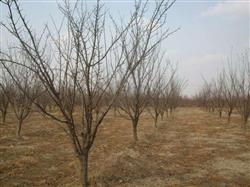
Apricot seed wasp: Larvae overwinter inside fallen apricot pits or inside pits on branches. Female adults lay eggs between the pit shell and the kernel. The egg-laying hole on the fruit surface is not obvious, slightly grayish-green, and sunken; sometimes apricot gum flows from the egg-laying hole. The egg stage lasts about 10 days. The hatched larvae feed on the kernel inside the pit, causing a large number of fruit drops. They mature around early June, then oversummer and overwinter inside the apricot pit.
Control methods: 1. Pick up fallen fruit, remove fruit from the trees, and bury deeply or burn them in a centralized manner to eliminate overwintering larvae. 2. Deep plow and deep till the soil (depth required: 15 cm) to turn infested fruit under the soil so that adults cannot emerge from the soil (larvae can still emerge normally from a soil depth of 3.5 cm). 3. When processing apricot kernels, collect the infested pits separated by water flotation and burn them in a centralized manner. 4. In early May, during the peak emergence period of adults, spray 90% crystallized trichlorfon at 1000 times dilution.
Peach fruit borer: Larvae damage the fruit. After hatching, the larvae bite through the fruit skin and bore into the fruit, tunneling in all directions and feeding until they reach the fruit core. Infested fruit accumulates frass, becomes bitter, and is unfit to eat. Control methods: 1. Before overwintering larvae emerge from the soil, sprinkle 50% fenitrothion emulsifiable concentrate at 2000 times dilution in the tree basin, then deep plow once. 2. Remove diseased fruit and dispose of it promptly. 3. During the concentrated hatching period of larvae, spray foliage with 2000 times 50% methyl parathion emulsifiable concentrate or 1500-2500 times fenvalerate. 4. Use peach fruit borer sex pheromone lures or black light lamps to trap and kill adults.
Tent caterpillar: Mainly the larvae feed on tender buds and new leaves. When outbreaks occur, they can strip all the leaves from a tree, affecting flower bud differentiation and fruit set the following year. Control methods: 1. In combination with winter pruning, cut off egg masses and burn them. 2. When larvae have just hatched, gently pick off the leaves on which they cluster and destroy them in a centralized manner. 3. Spray foliage with 50% dichlorvos at 1000 times dilution or 40% dimethoate at 1000 times dilution to kill the leaf-feeding larvae.
Green leafhopper: Adults and nymphs suck sap from leaves and cause damage. When laying eggs in late autumn, they use their ovipositor to cut open the epidermis of fruit tree branches and trunks, leaving infested branches covered with wounds and causing excessive water loss from the tree. Control methods: 1. For fruit trees with a large number of overwintering eggs, especially young trees, press the egg nests with a wooden stick to eliminate overwintering eggs. 2. Pay attention to clearing weeds in the field to reduce intermediate hosts. 3. When adults and nymphs appear, spray foliage with 50% dichlorvos at 2000 times dilution or 40% deltamethrin emulsifiable concentrate at 2000 times dilution.
Thosea sinensis: Larvae gnaw on leaves and cause damage. When young, they only feed on the leaf mesophyll on the underside of leaves, leaving veins, etc. After growing larger, they eat the entire leaf. Control methods: 1. Eliminate overwintering cocoons in the tree basin, especially under the main root crown. 2. When larvae appear, spray foliage with 50% dichlorvos at 800-1000 times dilution or 40% deltamethrin at 2000 times dilution.
Red-necked longhorn beetle: Larvae bore into and feed on the surface layer of branches and trunks, directly affecting growth; in severe cases, they cause the branches, trunks, or the entire tree to die. Control methods: 1. Before adults appear, apply whitewash (quicklime:sulfur powder:salt:water at 10:1:0.2:40) to the trunk or large branches to prevent adults from laying eggs. 2. During the adult occurrence period, manually capture and kill adults. 3. During larval damage, use a wire to pierce and kill the larvae.
Apricot globular scale: Female adults or nymphs cluster and attach to branches and trunks, sucking sap and causing damage. This weakens tree vigor or causes branches to die and dry up. Control methods: 1. After the adult scale shell has formed and before eggs hatch, scrape off female scales. 2. During the nymph hatching period, spray 0.2 degree Baume lime sulfur mixture or 50% dichlorvos at 1500 times dilution.