Pay attention to pest and disease control at the wheat seedling stage to ensure robust growth of the wheat seedlings
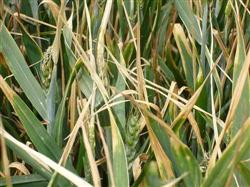
In recent years, symptoms of blighted white heads have often appeared in some fields during the milk-ripening stage of wheat, greatly affecting wheat yield and quality. The causes of wheat white heads are mainly diseases and pests, such as sheath blight, root rot, take-all, fusarium head blight, wheat stem maggot, wheat stem moth, and wireworm. The damage caused by different diseases and pests...
 Under normal conditions, about 15 days after sowing, the wheat seedlings have basically emerged completely, and various diseases also begin to occur one after another. Below are several recommended methods for controlling pests and diseases at the wheat seedling stage.
Wheat aphids: In addition to directly causing damage that reduces wheat yield, wheat aphids can also transmit wheat yellow dwarf virus and other diseases. When the rate of aphid-infested plants exceeds 5%, and there are about 10 aphids per 100 plants, chemical control should be carried out. Apply 25 milliliters of Yashijing or 20 grams of Dagongchen or 20 grams of imidacloprid per mu, mix with 40-50 kilograms of water, and spray, which can also simultaneously control wheat red spiders.
Underground pests: The underground pests that damage wheat at the seedling stage include mole crickets, white grubs, and wireworms. According to observations, when mole crickets cause damage, they bite the tender stems of wheat seedlings into a tangled mess, with uneven broken ends; when white grubs cause damage, they bite off the wheat seedlings at the root-crown area, with neat broken ends; wireworms bore into and feed on the tender heart of the wheat stem, and the damaged part appears tangled, but the outer skin remains connected. By carefully observing these damage symptoms on wheat seedlings, it is possible to determine which underground pest is present in the wheat field. Broadcasting poisoned soil: mix 2 kilograms of 2% methyl isothiophos powder per mu with 30-40 kilograms of fine soil, mix evenly, then open furrows and apply it into the wheat rows, which can effectively control damage by white grubs and wireworms. Spraying or irrigating with pesticide solution: for fields with localized patchy damage, apply 0.5 kilograms of 40% methyl isothiophos or 50% phoxim per mu, mix with 60-75 kilograms of water, and spray or pour along the rows onto the wheat roots, which has a special effect on white grubs and wireworms.
Locusts and crickets: In recent years, these two types of pests have occurred in large numbers and often damage early-sown wheat seedlings. For each mu, use 75 grams of 90% crystalline trichlorfon, first dissolve it in hot water, then add water to 1.5 kilograms, spray and mix with 5-7 kilograms of crushed and fried wheat bran to prepare poisoned bait, and broadcast it along the rows to trap and kill them, with very good results.