-
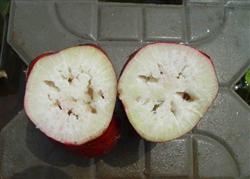
What to Do About Hollow Heart in Radishes? Causes and Control Measures in Early Spring
Hollow heart in radishes, also called pithiness, is the phenomenon in which cavities form in the central part of the xylem of the fleshy root. 1. Causes: (1) It is related to the variety. Varieties with large parenchyma cells in the fleshy root have poor density in the fleshy root and are prone to hollow heart. (2) It is related to soil texture. Radishes grown in soil that is too sandy will develop hollow heart earlier than radishes grown in loam or clay...
-
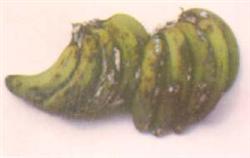
Control of Banana Sour Rot
This is a sporadic disease during storage and transport, often occurring together with freeze injury to the fruit or CO2 poisoning during storage. Symptoms: the diseased bananas turn sour, the flesh softens, rots and oozes liquid, and a layer of white coarse powdery substance appears; the juice of the diseased bananas flows onto healthy fruit and continues to cause infection. Pathogen and occurrence pattern: the pathogen is Geotrichum candidum (Geotrichumcandidum...
-
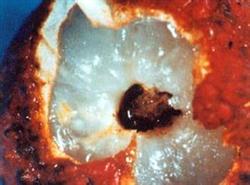
How to control litchi fruit-boring pests? These methods are very effective
Litchi fruit-boring pests include the litchi tortricid (Cryptophlebia ombrodelta), the litchi small grey moth, the Yaowen moth and the litchi stem-end borer, among others. Damage begins each year when litchi trees start to flower, and is most severe from late April to early June. The larvae first bite through the skin of the young fruit, then bore into the fruit and feed on the stone, causing heavy fruit drop, reducing yield and lowering fruit quality, with...
-
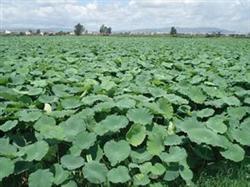
How is integrated control of lotus root diseases carried out?
I. Lotus root brown spot disease A common disease of lotus leaves, producing light brown lesions on the leaves, causing localized drying of the affected leaves. Control: Reasonable close planting to ensure ventilation and light penetration in the lotus field; appropriately increase the application of phosphorus and potassium fertilizers to improve plant resistance, and promptly remove diseased plant residues. At the early stage of the disease, use 25% carbendazim 600x solution, or 75% chlorothalonil...
-
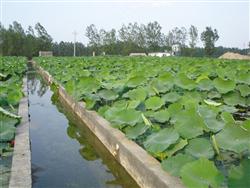
Six Common Lotus Root Diseases and Their Control Methods
I. Main Disease Types June and July are the peak growing period for lotus roots and also the peak period for various diseases, so doing a good job of disease control is key. As an instructor in the agricultural science and technology system, I propose lotus root disease control techniques to guide demonstrators and lotus root farmers in production. 1. Lotus root rot, also known as black root disease, lotus root...
-
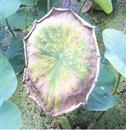
Timely prevention and control of lotus root rot: detect early, prevent and control early
Q: The lotus roots I grow at home were growing very well at first, but now the leaves have begun to dry up. I have used several kinds of pesticides but none of them worked. What exactly is going on? What pesticide can cure it? At present, the main leaf disease of lotus root is lotus root rot, the number one disease in lotus root production, mainly damaging the underground stems and...
-

How to prevent and control lotus root rot? Prevention is key
Rot is a relatively common disease on lotus root, occurring to varying degrees every year. Wuhan has a large lotus root planting area, and local lotus root rot occurs severely. Lotus root seeds in most regions are introduced from Wuhan, so in recent years lotus root rot has occurred severely in lotus fields in some areas. After the disease occurs, the plant's vascular bundles turn brown...
-
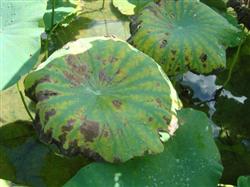
Occurrence Patterns and Control Methods of Lotus Root Brown Spot Disease
Brown spot disease is a major disease of lotus root, widely distributed, and can occur in spring, summer, and autumn. Generally, diseased plants account for 30%-50%, and in severe cases, the incidence rate can reach over 80%, significantly affecting lotus root yield and quality. 1. Symptoms This disease mainly affects the leaves and leaf stalks of lotus root. In the early stage of leaf infection, small brownish-green...
-
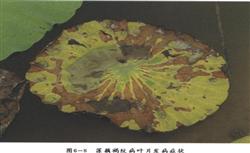
Detailed Guide to Identifying and Controlling Lotus Root Brown Streak Disease Symptoms and Control Methods
Lotus root brown streak disease is widely distributed and occurs in all regions, but it only harms lotus root. 1. Pathogen: This disease is caused by infection with fungi of the genus Alternaria in the Deuteromycotina. The pathogen overwinters in lotus fields as mycelium and chlamydospores with diseased plant residues, and produces conidia under high temperature and high humidity, spreading by wind and rain. 2. Symptoms...
-
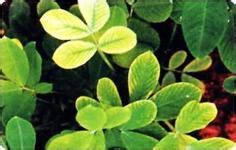
Symptom Identification and Control Methods for Peanut Web Blotch
I. Causes of Iron Deficiency in Peanuts Peanut is one of the crops that is relatively sensitive to iron. Although iron is not a component of chlorophyll, it is an indispensable condition for chlorophyll synthesis, a component of cytochrome oxidase and peroxidase related to respiration, and participates in the oxidation-reduction processes within the plant. It is...
条件筛选