-

How to prevent and control rabies in dogs? Timely vaccination of puppies ensures safety
Rabies in dogs can be prevented but not cured. This article introduces the transmission routes of rabies, the puppy vaccination process and daily protective measures, reminding dog-owning families and breeders to immunize their dogs in time and to handle bites correctly, so as to safeguard human and animal safety.
-
How to Identify Inferior Cooking Oil? Key Points for Quality Control from Cultivation to Purchase
Inferior cooking oil harms health. This article systematically introduces methods for identifying inferior cooking oil and key safety control points, from oilseed cultivation, harvest and storage to oil pressing and purchasing, helping growers and consumers safeguard the quality of every drop of oil.
-
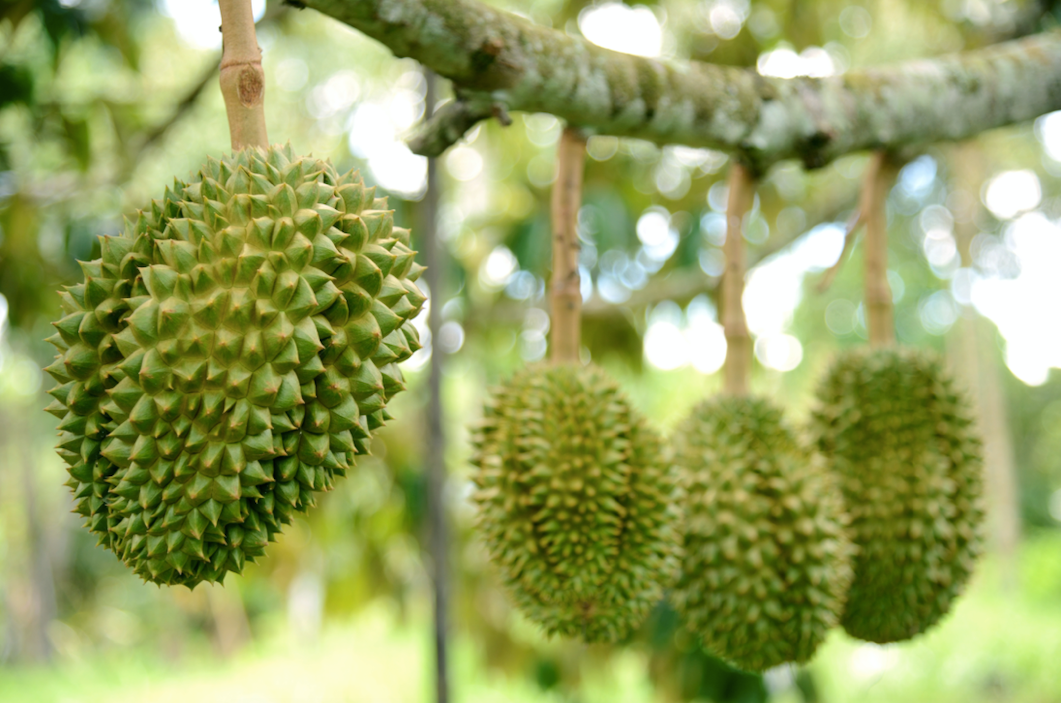
Malaysian Tree-Ripened Durians Arrive in Dalian by Sea After 12 Days, Controlled-Atmosphere Preservation Replaces Air Freight
2 tons of Malaysian tree-ripened durians arrived at Dalian Port after a 12-day sea voyage; the controlled-atmosphere container preservation technology trial shipment succeeded, and large-volume sea freight is expected to significantly reduce durian export logistics costs.
-
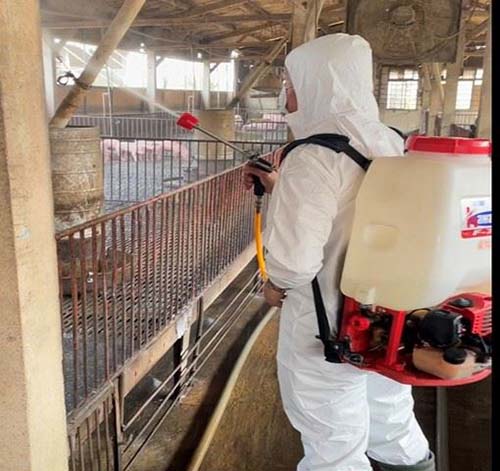
Prevention and control of swine Japanese encephalitis, Chiayi County Livestock Division urges pig farmers to prevent mosquitoes and vaccinate
As spring arrives, the weather is getting hotter. Despite drought and water shortages, most farmland is still planted with rice, and watery environments easily breed disease-carrying mosquitoes. To prevent swine Japanese encephalitis outbreaks, the Chiayi County Livestock Disease Control Center is urging pig...
-
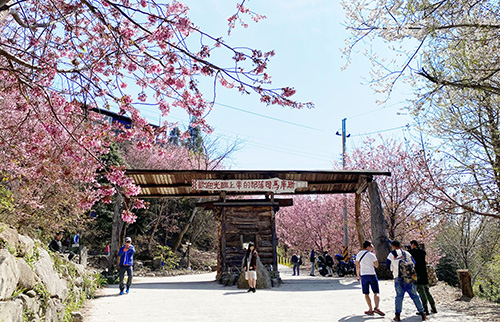
Traffic volume control will be implemented during the Smangus cherry blossom season; visitors must make online reservations
Every spring, the cherry blossoms bloom in the Smangus tribe in Jianshi Township, Hsinchu County, attracting tourists from all over Taiwan. To avoid heavy traffic congestion on the local connecting roads, Hsinchu County has announced traffic volume control measures this year; vehicles heading there must pre...
-
What Are the Symptoms of Walnut Anthracnose? A Detailed Guide to Prevention and Control Methods
1. Distribution and occurrence characteristics Walnut anthracnose generally occurs mostly from June to August, with slight variations from place to place. In Jiangsu, Henan and Shandong it occurs from late June to early July, and in Hebei and Liaoning in August. The pathogen overwinters as mycelium and conidia in diseased fruits, diseased leaves or bud scales, and the following
-
Symptom Identification and Control Methods of Walnut Bacterial Blight
1. Distribution and Occurrence Characteristics Widely distributed in walnut-producing areas such as Hebei, Shandong, Shanxi, Liaoning, Henan, Jiangsu, Zhejiang, Sichuan, Yunnan, Shanxi, and Gansu, with severe incidence in some areas. Infection generally begins in mid-to-late May. The pathogenic bacteria overwinter in the lesions of diseased branch tips or in diseased buds. In the spring of the following year, the bacteria spread by wind and rain splashing onto leaves, fruits, and young branches, causing damage. The pathogen can infect floral organs, so pollen can also carry the bacteria, and insects are also vectors. The bacteria invade through stomata, lenticels, nectaries, and various wounds. Under conditions of sufficient humidity, temperatures within the range of 4-30°C can cause infection of leaves, and 5-27°C can cause infection of fruits. The incubation period varies in different parts: 5-34 days on fruits and 8-18 days on leaves.
-
Symptom Identification and Control Methods of Walnut Rot Disease
1. Distribution and occurrence characteristics. Also known as black water disease, it occurs in Henan, Shanxi, Shandong, Sichuan and other places. The pathogen overwinters in the diseased parts as mycelium or stroma and pycnidia. After the sap of the walnut tree begins to flow the following spring, when suitable conditions for disease development occur, conidia are produced,
-
How to Control Walnut Slug Moth Pests and Diseases
1. Distribution and damage symptoms. They are a group of omnivorous pests, commonly including the yellow slug moth, the brown slug moth, the green slug moth, and the flat slug moth, all distributed throughout the country. The larvae feed on leaves, affecting tree vigor and yield, and they are important pests of walnut leaves. Young larvae feed on the lower epidermis and mesophyll of the leaf surface
-
Occurrence Characteristics and Control Methods of Walnut Canker
1. Distribution and occurrence characteristics. It is distributed in most walnut-producing areas. The pathogen mainly overwinters as mycelium within the diseased tissue of the current year. In April of the following year, when the temperature rises to 11.4-15.3°C, it begins to become active. In late May, conidia are formed in large numbers and spread by wind, rain, and other means, mostly invading through wounds
条件筛选