-

What to Do About Small Bugs in Phalaenopsis Orchids? Pest Pictures and Control Methods
Walking into a flower shop, most shopkeepers will recommend Phalaenopsis orchids to you, because they look beautiful and easily give people a sense of closeness. However, when introducing them, many shopkeepers will only briefly mention their care points, and few teach you how to prevent pests and how to drive away unknown small insects. Generally speaking, Phalaeno
-

How to control thrips on Phalaenopsis orchids? With photos of leaf damage
I believe friends who love growing plants have all seen a bug called "thrips"; their little rear ends stick up, and when they fly they come in strings. For flowers, these little things are the most feared, because they are tiny and very good at hiding among plants. In terms of care, if you find thrips always flying around your home,
-
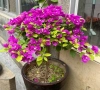
How to care for an old bougainvillea trunk so it blooms abundantly? Control light and temperature like this
Gardeners who grow bougainvillea know that once an old trunk is well established, it bursts into glorious bloom all over its branches when it flowers, so impressive! But if you want the old trunk to grow strong and bloom vigorously, you need to get the details right, including light, watering, fertilizing and pruning, and especially pest and disease prevention in advance. How exactly to do it? Let's go through it bit by bit. Light and temperature:
-
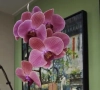
Phalaenopsis humidity control methods and care precautions
Anyone who grows Phalaenopsis at home surely knows that this little thing is quite delicate, especially when it comes to humidity, and its requirements are not low at all. Today I will explain in detail how to maintain the humidity for Phalaenopsis. Phalaenopsis is a tropical plant, and the most suitable humidity range for its growth is generally between 50% - 70%.
-

Causes and Control Methods of Southern Blight in Phalaenopsis Orchids
Fellow plant lovers probably all know that the flower most prone to disease is the "rose," but even so, many people on the market still like to grow it, because rose blooms have overlapping petals that look beautiful and are very pleasing to the eye when placed at home. In recent years, the market has quietly begun to change, roses have become less popular, and in their place is the "phalaenopsis orchid," for a simple reason: the flower shape is attractive, and it is not very prone to disease.
-
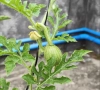
What disease causes watermelon leaves to turn white? Causes and pesticide control methods
Gardeners growing watermelons, pay attention! White leaves are no small problem. Different symptoms correspond to different causes, and if you get it wrong, you may make things worse the more you try to fix it! Today I will explain how to diagnose it and how to solve it, so check your plants against this right away. Symptoms of white leaves 1. Leaves covered in "white powder" The most typical sign is the appearance on the leaves of
-
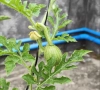
What disease causes watermelon leaves to turn white? Causes and spraying control methods
Attention, fellow watermelon growers! White leaves are no small problem. Different symptoms point to different causes, and if you misdiagnose it, you may make things worse the more you try to fix it! Today I will explain how to diagnose it and how to solve it, so check your plants against this right away. Symptoms of white leaves. 1. Leaves covered in "white powder." The most typical sign is the appearance on the leaves of
-

Common Pests and Control Methods for Growing Tomatoes on a Balcony
When growing tomatoes on a balcony, pest problems are relatively common. Mastering the types of pests and control methods can effectively reduce losses. 1. Common pests and their damage Aphids: They mainly attack tender leaves and growing points, causing leaves to curl and growth to stall, and in severe cases the whole plant wilts. Whiteflies: They suck the sap from leaves, causing leaves to wither and fruit quality
-

What Happens If You Don't Use a Root-Control Pot for Phalaenopsis, and Does a Root-Control Pot Really Work?
Fellow plant lovers all know that Phalaenopsis (moth orchid) is beautiful but also a bit delicate. Some people ask, is it OK to grow Phalaenopsis without root control? Is a root-control pot just a waste of money? Today let's talk about these questions! Phalaenopsis is different from the common green plants we usually see. It is an aerial-root plant, and its roots not only absorb water and nutrients but also need to "breathe."
-

Why do Phalaenopsis orchids need root control, and can they bloom without it?
During the care of Phalaenopsis orchids, root control is an important management step. Some people wonder: "Do Phalaenopsis orchids really have to have their roots controlled? Can they not bloom without root control?" Root control, simply understood, means limiting the growth range of the Phalaenopsis root system so it does not grow roots wildly, but instead puts more energy into growing buds and blooming. Why do this
条件筛选