-

When does the high-incidence period for Phalaenopsis pests and diseases occur, and what should be noted for prevention and control?
When it comes to Phalaenopsis (moth orchid), the flowers are certainly beautiful, but if pests and diseases strike, that is really frustrating. Many people wonder why a perfectly healthy flower suddenly wilts while they are caring for it. In fact, its illnesses are not without patterns, and there are certain periods when problems are especially likely to arise. The transition between spring and autumn each year is when Phalaenopsis pests and diseases
-

Watering Methods and Practical Analysis of Root-Control Pots for Phalaenopsis Orchids
When it comes to growing Phalaenopsis orchids, choosing a pot is a big deal, and lately many flower enthusiasts have become fans of root-control pots. These things look different from ordinary flower pots, with lots of holes at the bottom and ventilation slots on the sides, but are they actually any good? And how should you water with them? What is the most frustrating thing about growing Phalaenopsis orchids? Root rot! Ordinary flower pots are stuffy, and with just a little too much water
-
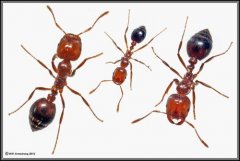
Red Imported Fire Ant Control Plans, and Symptoms and Treatment After Being Stung
The red imported fire ant is an extremely harmful pest. After this ant stings a person, it may even cause death, so this pest is a very formidable one. After being stung, we must treat it promptly and must not ignore it or leave the sting untreated
-
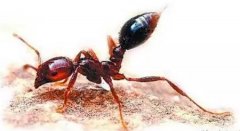
Red Imported Fire Ant Control Plan: The Hazards of Red Imported Fire Ants and How to Eliminate Them
The red imported fire ant - do you know this pest? What do you know about it? The red imported fire ant is an extremely destructive pest, and an invasion by this pest is truly terrifying. To strengthen the prevention and control of the invasive red imported fire ant, we must continue to hold the north-south defense line with a containment strategy,
-
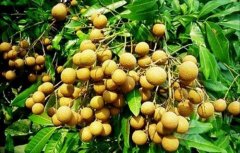
Litchi stink bug feeding damage to lychee and longan: how to control it and handle the eggs
The most serious pest and disease problem for lychee is the damage caused by the litchi stink bug, so when is the best time to control this pest? Now is the critical time to prevent damage from the litchi stink bug! Around February each year. The Council of Agriculture held a press conference on the 12th calling for action: the litchi stink bug, which causes serious harm to lychee and longan, is preparing to lay eggs, and farmers are urged to carry out area-wide integrated control.
-
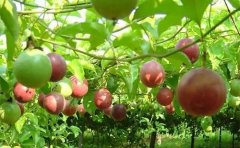
Passion Fruit Anthracnose: Control Products and Planting Precautions
How should pests and diseases of passion fruit be handled? Do you know? Let us take a look together. Recommendations: Testing found no occurrence of pathogenic bacteria or insect bodies; based on the pattern of damage, it is judged that this may be related to cultivation management. Please note whether the abnormality was found within 3 days after applying the product,
-
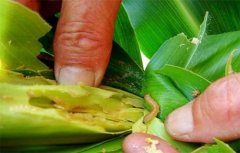
Corn borer damage symptoms, identification and control methods
The corn borer is a common pest that mainly damages crops such as sorghum and corn, hindering crop growth and worsening yield and quality problems. So how should it be controlled? Living habits: This insect is the main pest during the middle and late growth stages of sorghum, but
-
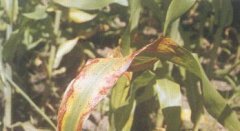
Causes, Symptoms and Control Methods of Sorghum Sheath Blight
What causes sorghum sheath blight? What are its symptoms? How should it be controlled? Let's take a look together. Symptoms: It mainly damages the leaves and the base of the stem. On the leaf sheaths near the ground level, small white-green water-soaked lesions first appear, then expand into oval shapes, with brown margins and lighter centers. Lesions on the leaves appear grayish-green or grayish-white and cloud-like, and most of the lesions merge into a tiger-stripe pattern, causing the entire leaf to wither and die.
-
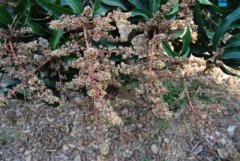
Symptoms and Control Methods of Mango Powdery Mildew
What do the symptoms of mango powdery mildew look like? What are the ecological causes of its occurrence? How should it be controlled, and what are the control methods? Symptoms: This disease can occur on mango inflorescences, young leaves, young fruit and young stems. Generally, a powdery fungal growth can be seen on the affected parts. On young stems and leaves, small lesions in the early stage are surrounded by a brown ring; later the lesions merge into large white patches, which then gradually turn blue-purple. Severely affected young stems and leaves often become deformed; when the lesions continue to develop and encircle the flower stalk, the small fruit on it will begin to turn yellow and drop, so a severely affected mango tree will bear no fruit at all. In the later stage of the disease, the fungal growth at the lesions turns grayish-black. After fruit that has previously been affected develops and grows, a purple network pattern appears on the surface, affecting the commercial value of the fruit.
-
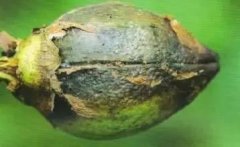
Common diseases of cotton bolls and control methods for cotton boll blackening
Do you know what diseases can occur during cotton cultivation? Below we introduce the most common cotton boll blackening disease. Do you know this disease? What do the symptoms of this disease look like on cotton? What are the control methods? Let's take a look together.
条件筛选