-
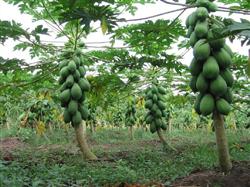
Key Points of Standardized High-Yield Cultivation Techniques for Papaya
The papaya fruit is oval-shaped, with lignified flesh, and is resistant to storage, capable of being stored naturally for 5-6 months. The fruit skin is smooth and waxy, golden-yellow and shiny; clean and attractive, with a rich and unique fragrance. When placed indoors, the aroma fills the air and lingers for a long time. Because the seeds of Yizhou papaya have a layer of mucilage on the surface, the seedling emergence rate is low, currently...
-
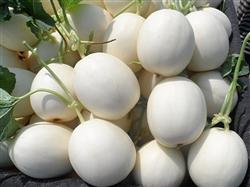
Detailed Explanation of Key Techniques for Open-Field Cultivation of Thin-Skinned Melons
For open-field melon cultivation, the traditional method has always been to let the vines crawl along the ground. The vines intertwine in a chaotic manner, making them very difficult to manage, and yields are also low. If melons are grown the way cucumbers are, with the vines trained up on a trellis, there are quite a few advantages. First, dense planting is possible. Taking Hongcheng No. 7 melon as an example, ground-crawling cultivation uses a plant-to-row spacing of 50 cm x 6...
-
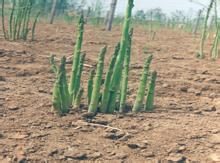
Detailed Explanation of Open-Field Sowing, Seedling Raising and Transplanting Techniques for Asparagus
Asparagus is a premium vegetable and health food with extremely high nutritional value, enjoying the reputation of "King of Vegetables" on the international market. The asparagus planting area in Baoding City reaches more than 14,000 mu, of which the spear-harvesting field area is more than 8,000 mu, with an annual output of more than 7,500 tons. All of it is sold fresh to major cities such as Beijing and Tianjin. The asparagus planting area is gradually...
-
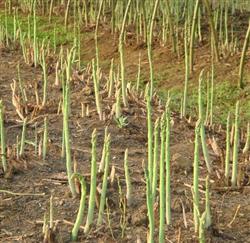
Detailed Explanation of Chemical Weed Control Techniques in Asparagus Fields
Asparagus has wide row spacing and is prone to weed growth. During the white asparagus harvest period, ridges are formed, the spears do not emerge from the ground, and chemical weed control is also difficult to implement. The main weeds in asparagus fields include lamb's quarters (goosefoot), field bindweed, purple nutsedge (three-square grass), thistle, crabgrass, barnyardgrass, and green foxtail. During the spring harvest period, contact herbicides are mostly used...
-
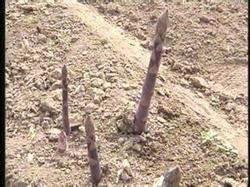
Detailed Explanation of Key Points for Summer Asparagus Cultivation Techniques
I. Asparagus stem rot (dieback) 1. Symptoms. This disease, also known as wilt disease, is a soil-borne disease. At first, individual plants in the field turn yellow and wilt; as the disease spreads, the entire plant dies. When young spears are infected, the cladodes and stems turn brown or split longitudinally. On diseased plants, brown lesions can appear on the underground stems and roots, and in the later stages the diseased parts rot, producing white to pink mold...
-
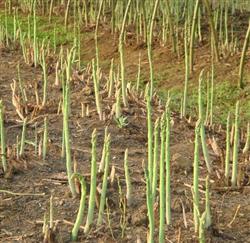
Detailed explanation of key asparagus seedling-raising techniques, full guidance from sowing to emergence
The key cultivation techniques for asparagus are introduced as follows: 1. Variety selection. Unlike other vegetables, asparagus is a perennial plant, and one planting can be harvested continuously for 15 years. Therefore, choose first-generation hybrid varieties with resistance to pests and diseases, strong stress resistance, a short dormancy period, good market quality, and high quality and yield. 2. Seedling raising...
-
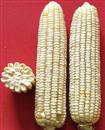
Key Cultivation Techniques for Autumn Sweet Corn Sowing Period
1. Characteristics and Nutritional Value of High-Oil Corn The outstanding characteristic of high-oil corn is its high grain oil content, which is on average more than 5% higher than that of ordinary corn. High-oil corn generally contains higher levels of protein, lysine and tryptophan; in addition, the vitamin A and vitamin E content of high-oil corn is also higher than that of ordinary corn....
-
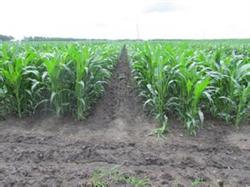
Detailed Explanation of Autumn Corn Planting Techniques and Management Key Points
Autumn corn is suitable for no-till direct sowing after mid-July. After harvesting the previous corn crop, promptly clean the field, and early sowing at the earliest opportunity is key; generally deep plowing is not required. 1. Sun-dry the seeds for 2-3 days, and soak them for 4-6 hours before sowing to promote uniform and neat emergence. Arrange plant spacing at a density of 3500-4000 plants per 667 sq m...
-
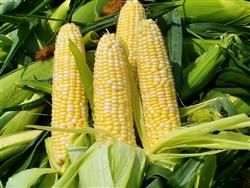
Detailed Explanation of Key Cultivation Techniques for Specialty Corn
Specialty corn includes fodder corn, waxy corn, sweet corn and popcorn. The botanical characteristics and biological traits of specialty corn differ from those of common corn, and therefore its cultivation techniques also have special requirements. 1. Fodder corn. Fodder corn refers to corn varieties used for green fodder or silage. At present, ...
-
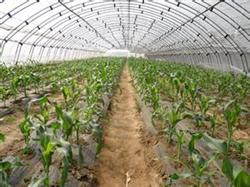
Detailed Explanation of High-Efficiency Cultivation Techniques for Fresh-Eating Corn in Greenhouses
In winter-warm greenhouses, during the late stage of spring production, the vegetable plants inside the greenhouse age, yield and quality decline, market prices are low, and planting benefits decrease. At this time, transplanting fresh-eating corn in the winter-warm greenhouse can rationally utilize greenhouse resources and achieve relatively high economic benefits. 1. Select excellent varieties: according to local conditions, select high-quality fresh...
条件筛选