-
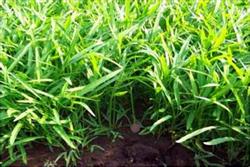
Key Cultivation and Management Techniques for High-Quality, High-Yield Water Spinach
I. Sowing. Both direct sowing in the open field and seedling transplanting are acceptable; the sowing period is generally mid-to-late April. For direct sowing in the field, drilling or hill sowing may be used, with a row spacing of 30-35 cm and a hill spacing of 15-20 cm, sowing 3-4 seeds per hill; water immediately after sowing, and seedlings will emerge in about 7 days. Dense sowing may also be used, and once the seedlings reach 17-20 cm in height...
-
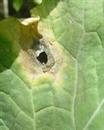
Opinions on the Occurrence of Sclerotinia Rot in Rapeseed and Its Control Techniques
This year's rapeseed growth is characterized by an earlier growth period than last year and a growth vigor close to last year's. The occurrence characteristics of rapeseed sclerotinia rot this year differ from previous years. Based on a comprehensive analysis of multiple factors including field inoculum sources, rapeseed growth vigor, varietal disease resistance and climatic conditions during the susceptible growth period, the natural occurrence level is a moderate-to-severe epidemic. ...
-
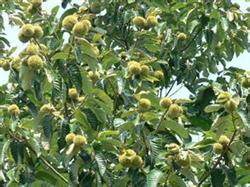
Detailed Explanation of Key Techniques for High-Yield Organic Chestnut Cultivation
Carrying out winter pruning of chestnut trees in the full-bearing period is an effective measure to extend the full-bearing period and prevent the occurrence of alternate bearing. 1. Pruning timing: The winter pruning period for chestnuts is best from half a month after leaf fall to half a month before spring bud break the following year, that is, from mid-December to early February of the next year, but when encountering ice...
-
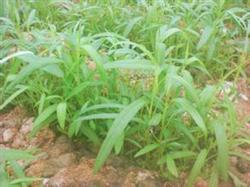
Key Management Techniques for Water Spinach in Solar Greenhouses
After water spinach seedlings are transplanted or direct-seeded seedlings emerge, intertillage and soil loosening should be carried out several times to raise soil temperature, promote root development, and thoroughly remove field weeds. Water spinach requires relatively little water during the seedling stage, so irrigation can be done moderately. After harvesting begins, the soil should be kept moist. After the first harvest, apply 15 kg of urea or diammonium phosphate per mu...
-
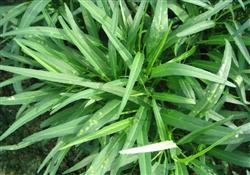
Detailed Explanation of Off-Season Cultivation Techniques for Water Spinach (Kangkong)
Because of the high temperature and frequent rain after the start of summer, a kind of white rust disease easily occurs. Its control methods include the following three points: (1) Select disease-free seeds and treat the seeds: select a disease-free plot for seed production, soak newly bought seeds in 50°C warm water for 25 minutes, and sow after cooling. (2) Strengthen garden management: choose high-lying land with good drainage...
-
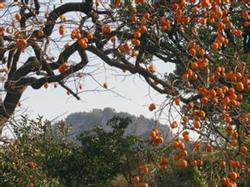
Winter Pruning Techniques for Spring Branches of Persimmon Trees
Methods to Improve Persimmon Tree Yield and Quality: 1. The prospects of the persimmon industry. In recent years, most Fuping persimmons (not pressed into cakes) have been purchased and exported by Japanese and South Korean buyers at a price of over ten yuan per kilogram. Meanwhile, several large supermarkets in Xi'an have long been selling Guangxi dried persimmons, with a retail price of under 10 yuan per (0.5 kg). This shows...
-
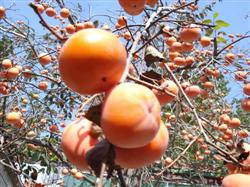
Detailed Explanation of Fertilization Techniques for Persimmon Orchards: Master Scientific Fertilization Methods
The main cultivation and management techniques are: 1. Implement the "Three Improvements" 1.1 Improve the orchard site: The vast majority of mature mountain persimmon orchards have terraces with no ridge in front and no ditch behind, and the terrace surface is low in front and high in back, causing severe soil and water erosion and exposed root systems. To improve the orchard site, the terrace surface of the persimmon orchard should be shaped with a ridge in front and a ditch behind, with the front ridge 10-15 cm high...
-
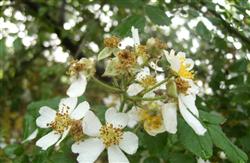
Key Management Techniques for Persimmon Trees Before and After Flowering
Management of persimmon trees before and after flowering. Persimmon trees are light-loving crops, and in dense planting cultivation, attention should be paid to solving ventilation and light penetration, which is the main measure for high-yield management. Persimmon trees bear fruit from axillary buds, so thinning out vigorous growing branches and strengthening nutrient accumulation in branches and trunks are very important. Before flowering, emphasis should be placed on applying amino acids to the trunk to promote flower bud differentiation, overcome alternate...
-
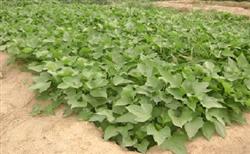
How to manage sweet potatoes for high yields? A detailed explanation of key cultivation techniques
High-yield cultivation and management techniques for sweet potatoes: 1. Apply sufficient base fertilizer and prepare the land properly. 1. Fertilization: Because sweet potatoes are generally planted on sandy, thin soil, sufficient base fertilizer must be applied to improve soil fertility and achieve high yields. Generally, about 5 cubic meters of farmyard manure per mu, 25 kg of diammonium phosphate, and 25 kg of potassium sulfate are appropriate. 2. Land preparation...
-

What are the control techniques for the sweet potato hornworm?
The sweet potato hornworm belongs to the order Lepidoptera, family Sphingidae, and mainly harms sweet potato. The larvae feed on the leaves and tender stems of sweet potato, and in severe cases can strip the leaves completely, greatly affecting yield. In Henan Province, it has 3-4 generations per year, overwintering as pupae 10 cm below the soil surface. It emerges in May of the following year. The adults hide during the day and fly out to activity after dusk. The adults are strongly phototactic...
条件筛选