-
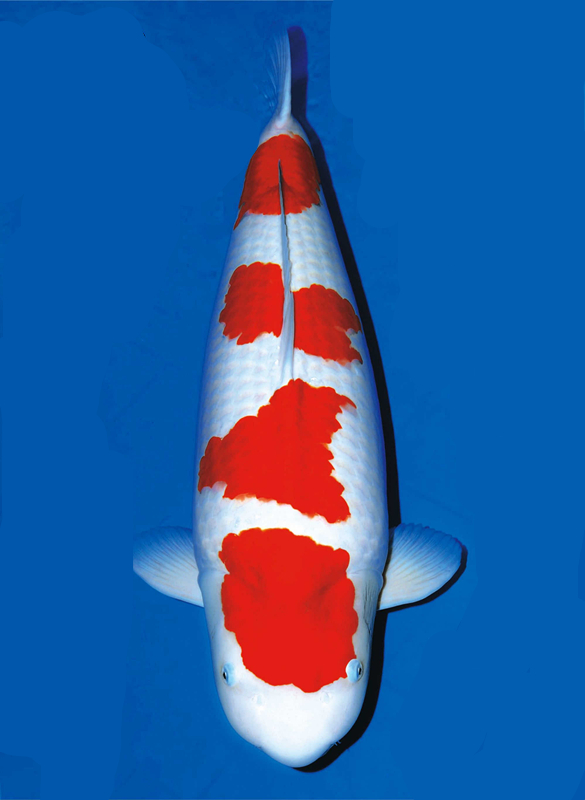
Are four-step red-and-white koi beautiful? A full analysis of breeding techniques
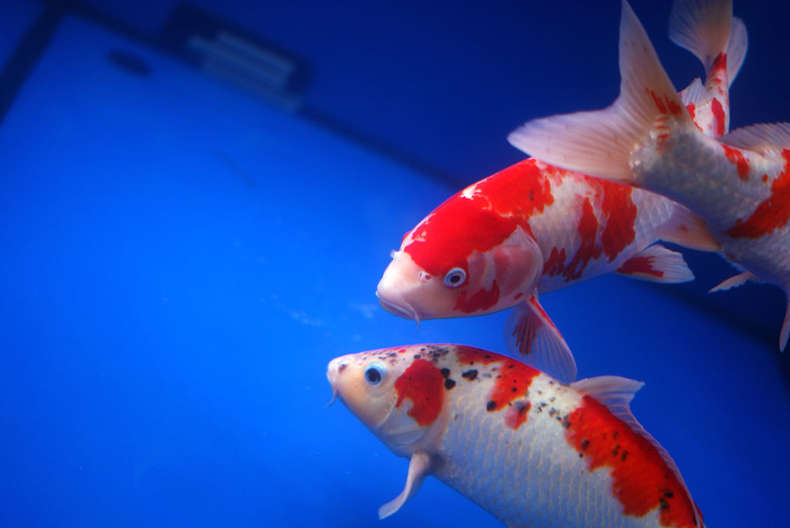
Introduction to four-step red-and-white koi. The four red patches of the four-step red-and-white koi are generally distributed across three areas: the head, the trunk, and the tail. Generally speaking, compared with two-step and three-step red-and-white koi, the four-step red-and-white places greater emphasis on the question of balance points; the dividing points of the red patches must not only...
-
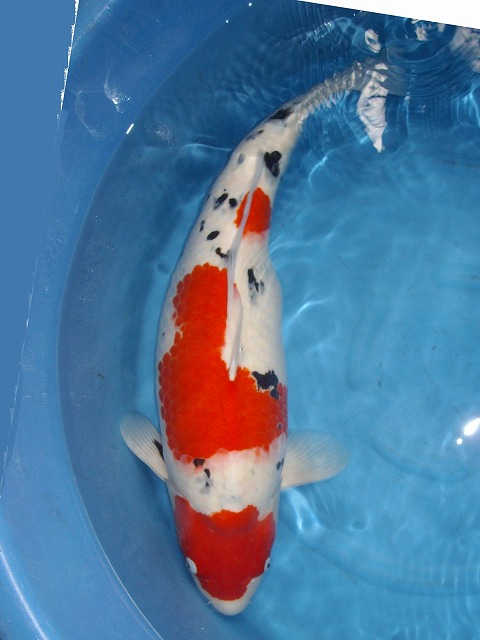
Koi fish farming techniques: why do many households in Japan keep koi? Because Japanese people
Why do many households in Japan keep koi? Because Japanese people believe koi are lucky mascots that bring good fortune... If you are a beginner, if you want to keep fish, if your fish is sick... please first click the blue text "Fish Keeping Encyclopedia" at the top of this article, then click "...
-
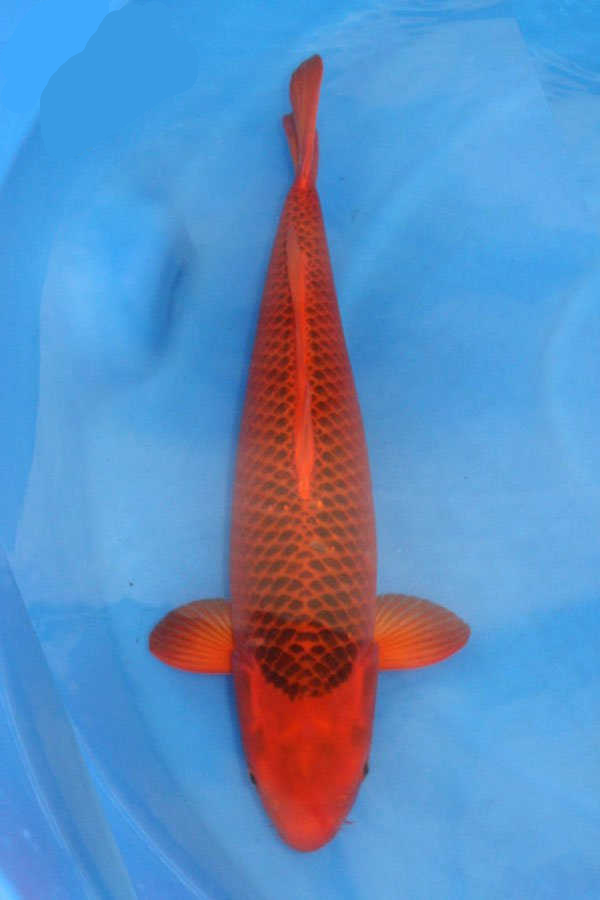
Precautions for Anesthetizing Koi with Dettol and Key Points of Breeding Techniques
To treat koi external injuries, holes, and rotten flesh, you have to take them out, wipe away the rotten flesh, then apply medicine. Since koi struggle quite vigorously and do not cooperate at all, and we fish lovers cannot bear to use force to restrain them, anesthesia is the only way. Here I still...
-
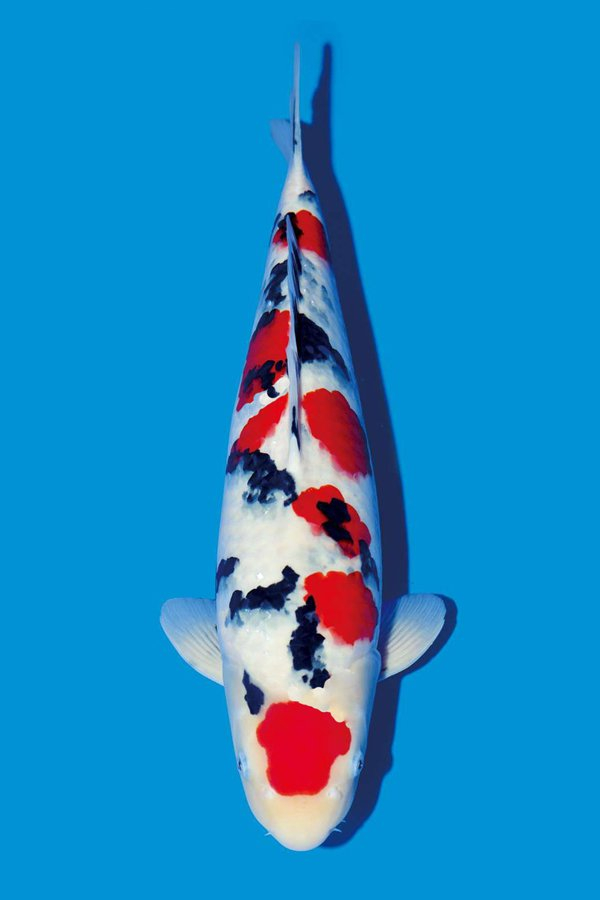
A Detailed Guide to the Breeding Techniques of Maruten Taisho Sanke Koi
Introduction to the Maruten Taisho Sanke Koi The Maruten Taisho Sanke first has an independent round dumpling-shaped red-and-white marking in the center of the head, and from just past the shoulder to the tail it displays two types of pattern states, namely red patches and black patches. Generally, red patches appear more than black patches, and black patches appear...
-
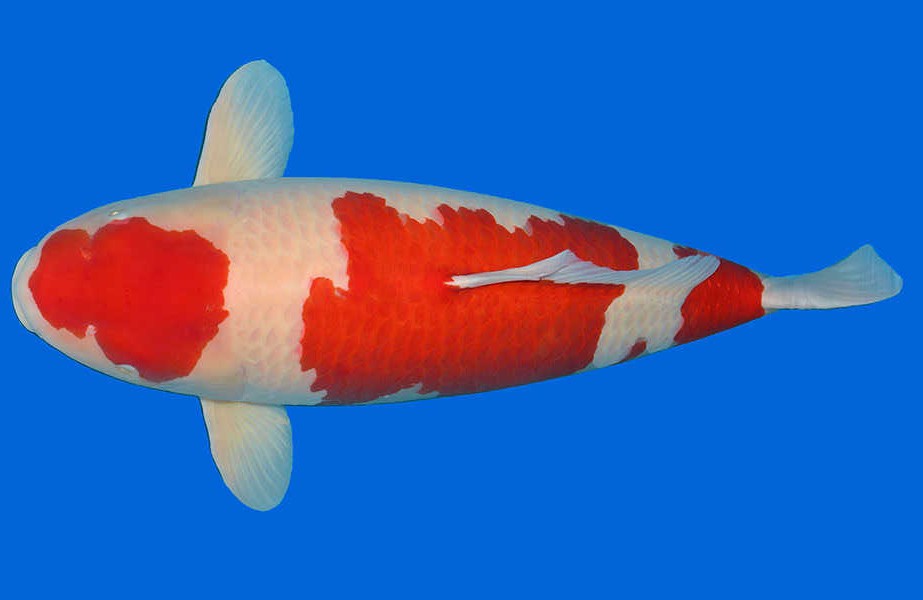
How to Tell Male and Female Koi Apart and Techniques for Selecting and Raising Fry
Selecting fry is the most important step in the rearing process for obtaining high-quality koi. Generally, 3-4 rounds of selection are carried out over the more than 3 months after hatching. The timing of selection varies depending on the variety, the speed of growth and how early the markings appear. For example: Showa...
-
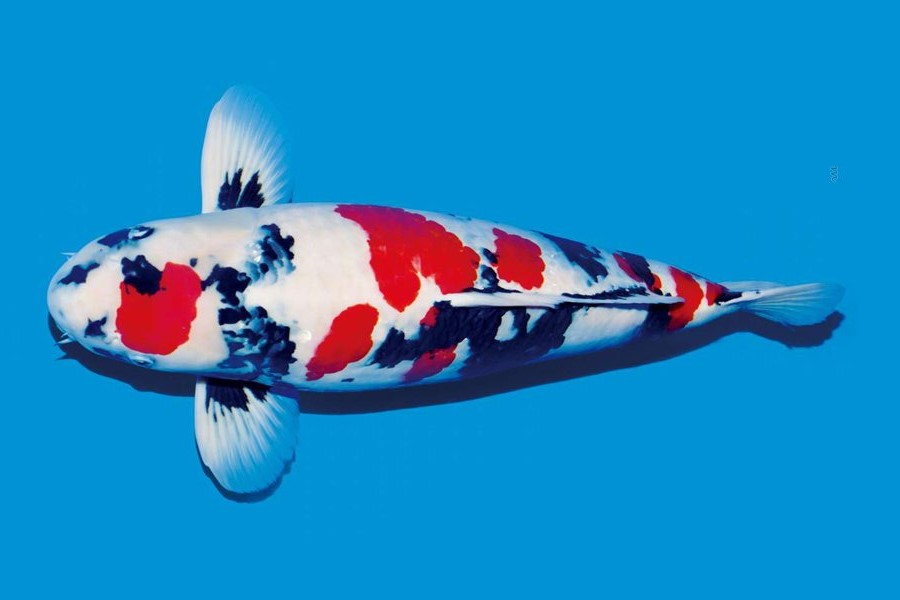
Detailed Explanation of Selection Techniques and Variety Selection Factors for Taisho Sanke Koi Fry
Taisho Sanke koi fry selection. For the selection of Taisho Sanke, the first step is to select those with white showing at the tip of the snout, with relatively good distribution of red patches on the body, and with sumi (black) markings distributed both front and back. Those with sumi on the head or without red patches are not selected. Those in which red patches are faintly visible beneath the sumi on the back are good fish. If...
-
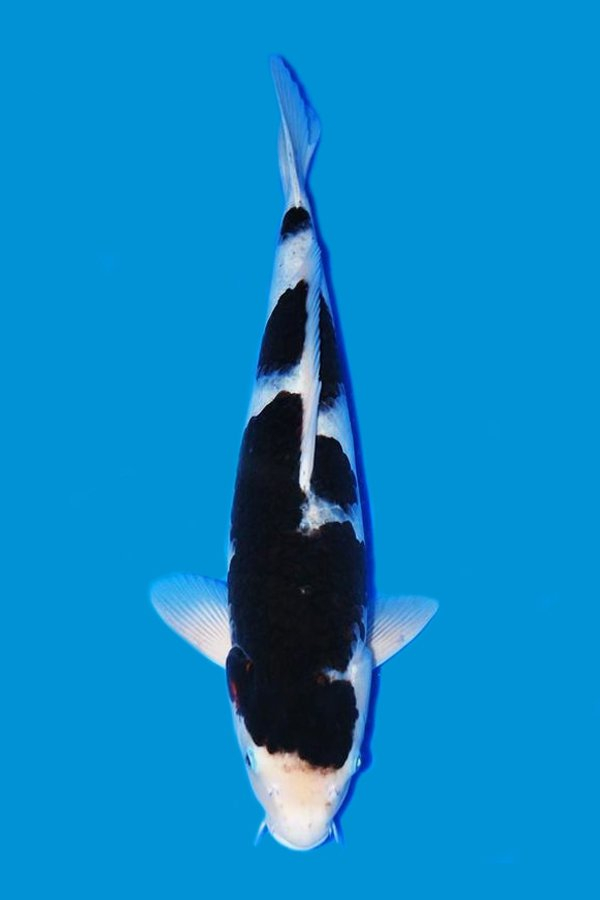
Are Kurogoi koi beautiful? A full analysis of breeding techniques
Introduction to Kurogoi koi. Kurogoi koi is a type of Koromo koi. As a koi variety, Koromo koi is produced by crossing Kohaku koi or Sanke koi with Asagi koi. Kurogoi koi can be said to combine the advantages of these two types of koi, making it even more beautiful, like...
-
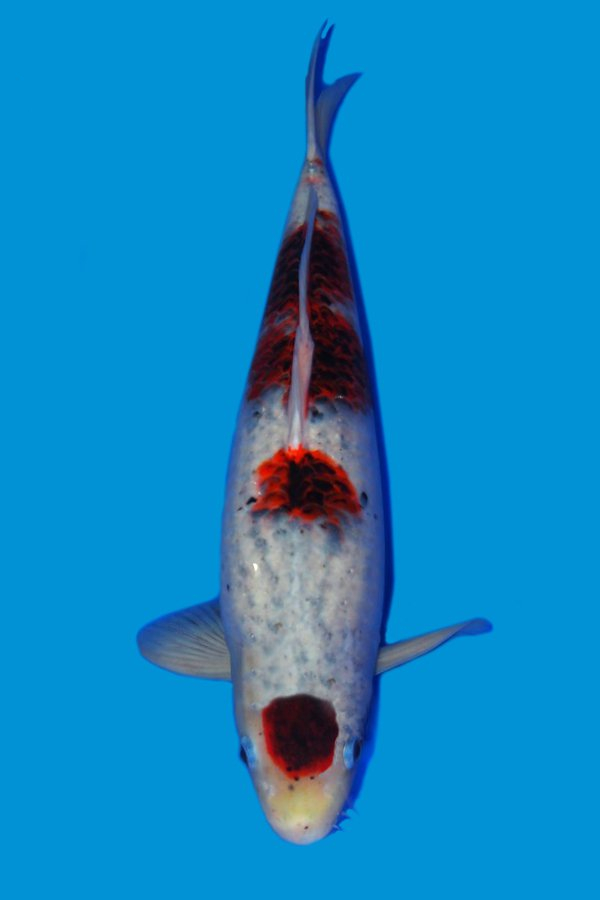
Keeping Techniques for Koromo Tancho Koi and Hakusan Utsuri Koi
Introducing the Koromo Tancho Koi. The Koromo Tancho Koi is a new first-generation product resulting from crossbreeding koi varieties. Koi experts, including major websites, rarely have written or photographic introductions to the Koromo Tancho Koi. Based on the many years of breeding experience of professionals at the summit of koi keeping, the Koromo...
-
Spiritual Koi Varieties and Fry-Rearing Techniques
1. Specifications of the fry-rearing pond The cement pond area is 1620 m, with a pond depth of 6580 cm; the pond area is 6001500 m, with a pond depth of 150200 cm and an initial water depth of 60 cm. As the fry grow, new water is gradually added until the depth reaches 120 cm. 2. Stocking density During fry rearing, according to fish growth,...
条件筛选