-
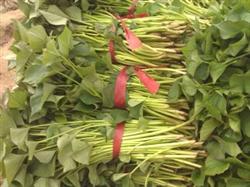
Detailed Explanation of Key Techniques for Cultivating Sweet Potato Shoots as Sprouts
Sweet potato shoots, also known as sweet potato leaves or sweet potato vine tips, belong to the genus Ipomoea in the family Convolvulaceae. They are a variety selected through artificial selection for consumption, consisting of the tender stem tips at the top of sweet potato seedlings. In Hong Kong, China and even worldwide, they are hailed as the "Queen of Vegetables," "Longevity Vegetable," and "Anti-Cancer Vegetable," and are a truly green vegetable product. Nutritional components...
-
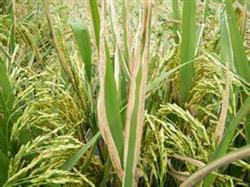
Detailed Explanation of the Causes and Control Techniques of Rice Bacterial Leaf Blight
The pathogen of rice bacterial leaf blight is Xanthomonas oryzae, a bacterium belonging to the genus Xanthomonas. Bacterial leaf blight is one of the major diseases of rice. Once it occurs, it generally reduces yield by 10%, and in severe cases by 50-60%. Therefore, strengthening the control of bacterial leaf blight is very important. 1. Causes of the disease 1.1 Relationship between disease occurrence and climatic conditions...
-
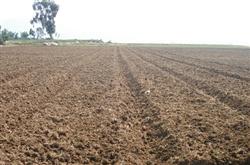
How to control rice false smut? Detailed explanation of its occurrence characteristics and control techniques
I. Occurrence characteristics. Rice false smut occurs only on the panicle, generally from the flowering stage to the milk-ripe stage of rice. In infected grains, the pathogen grows inside the glumes, forming false smut about 1 cm in diameter that replaces the grain. The optimum temperature for the germination and development of the rice false smut pathogen is 25-30°C; above 34°C or below 12...
-
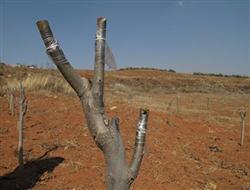
A detailed guide to sweet persimmon grafting techniques: methods and key points made easy to understand
Sweet persimmon completely loses its astringency while still on the tree, is convenient to eat, simple to manage, and highly resistant to stress, which has drawn increasing attention from fruit growers and favor from fruit merchants. To make sweet persimmon cultivation large-scale, industrialized, and market-oriented, the key grafting techniques for sweet persimmon nursery stock propagation are presented to readers here. Sweet persimmon grafting uses the wood-bearing...
-
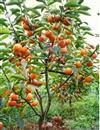
Detailed Explanation of Key Points for High-Quality and High-Yield Cultivation Techniques of Sweet Persimmon
Orchard establishment and planting. Sweet persimmon has no strict requirements for soil, but sandy soil with a pH value of 5.5-7.5 is optimal. An average annual temperature above 13°C is suitable. Most varieties of sweet persimmon have only female flowers but can set fruit parthenocarpically; however, planting pollinator varieties is more conducive to production. The main planted varieties should be selected for market suitability, large fruit size, attractive appearance, and flesh...
-
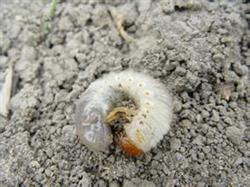
Detailed Explanation of Key Techniques for Rush-Planting Autumn Sweet Potato
Sweet potato is susceptible to damage by underground pests, which form tunnels, causing the sweet potato to rot, reducing quality, and in severe cases making it inedible, resulting in reduced yield or total crop failure. In production, the following methods can be promptly adopted for poisoning and control to improve yield and quality. 1. During the rapid tuber enlargement period of sweet potato, apply a root drench of 25-30 times diluted superphosphate...
-
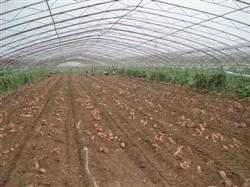
Sweet Potato Harvesting Techniques: Master the Correct Method
Sweet potato is a vegetatively propagated nutritional plant with no obvious maturity standard or harvest period, but harvesting early or late affects the yield, seed reservation, storage, processing and utilization, and crop rotation of sweet potato. Harvesting too early will significantly reduce the yield of sweet potato; harvesting too late, sweet potato is often affected by low-temperature chilling injury, not resistant to storage, and the dry-slicing rate declines.
-
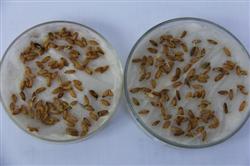
Detailed Explanation of Rice Blast Resistance Breeding Techniques
The main diseases transmitted by rice seeds include bakanae disease, rice blast, rice false smut, bacterial leaf blight, and striped virus disease transmitted by the small brown planthopper at the seedling stage. Currently, it is time for soaking rice seeds in Qilin District. When soaking rice seeds, all demonstration households must insist on soaking seeds with fungicides, the main purpose of which is to kill the pathogens carried by rice seeds...
-
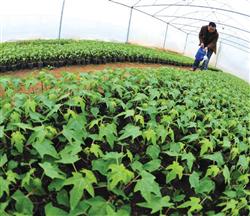
Detailed Explanation of Papaya Seedling Cultivation Techniques: Teach You to Grow Robust Papaya Seedlings
Papaya is the dried near-ripe fruit of Chaenomeles speciosa (Sweet) Nakai, a plant in the Rosaceae family, also known as wrinkled-skinned papaya. It is mainly produced in Shandong, Anhui, Sichuan, Hubei, Yunnan, Shaanxi and other provinces. It has functions such as relieving cough and spasms, clearing summer heat and promoting diuresis, relaxing muscles and activating collaterals, and harmonizing the stomach and resolving dampness. In recent years, a series of products such as papaya beverages, papaya wine, preserved fruit, canned goods and cosmetics have been developed...
-
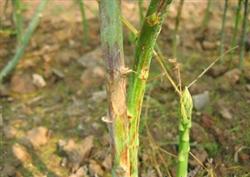
Comprehensive Control Methods and Techniques for Asparagus Pests and Diseases Explained in Detail
For pest and disease control, scientific control measures must be adopted, pollution-free control techniques vigorously promoted, and highly toxic and high-residue pesticides banned, so as to effectively control pest and disease damage while keeping pesticide residues in the product within limits. In control, adopt the measures of "prevention first, comprehensive control" and carry out early prevention in good time. (1) Agricultural...
条件筛选