Key Cultivation Techniques for Autumn Sweet Corn Sowing Period
1. Characteristics and Nutritional Value of High-Oil Corn The outstanding characteristic of high-oil corn is its high grain oil content, which is on average more than 5% higher than that of ordinary corn. High-oil corn generally contains higher levels of protein, lysine and tryptophan; in addition, the vitamin A and vitamin E content of high-oil corn is also higher than that of ordinary corn....
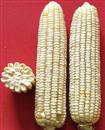 Sweet corn fruit is tender and juicy, also known as fruit corn, and is a new type of economical corn that combines fruit, vegetable and feed uses. Sweet corn is mainly marketed as fresh ears or processed into canned sweet corn; it can be stir-fried or eaten raw, and its sweet taste makes it deeply loved by people. Growing sweet corn has high economic returns and good development prospects. July-August is the sowing season for autumn sweet corn, and the cultivation techniques for its sowing period are as follows:
1. Strict isolation: To ensure the quality of sweet corn, during cultivation sweet corn should be strictly isolated from ordinary corn or other types of sweet corn to prevent cross-pollination. The isolation methods commonly used include spatial isolation and temporal isolation. Spatial isolation generally requires a distance of more than 100 m, or the use of natural barriers such as woods and hills for natural isolation. When temporal isolation is used, the sowing dates should differ by more than 30 d.
2. Timely sowing: The arrangement of the sweet corn sowing season should take into account the market supply time, consumption volume, the production season of fruit and vegetable processing plants, and the harvest period of the previous crop. For large-scale planting, attention should be paid to sowing in batches and harvesting and marketing in stages. The latest sowing date in autumn must ensure that the temperature during the harvest period remains stable above 18°C. In our county, the autumn sowing period is generally in mid-to-late July, and the latest sowing date is early August.
3. Land preparation and base fertilizer application: Choose fields with deep soil layers, convenient drainage and irrigation, and medium-to-high fertility. Ditches and beds should be made to facilitate drainage and irrigation, and drainage ditches should be dug around the perimeter. Before making the beds, apply 1000 kg of decomposed farmyard manure per mu in combination with plowing and harrowing. Generally, the bed with ditch is 125-130 cm wide, with two rows planted, and the ditch depth is 20-30 cm.
Before sowing, apply base fertilizer heavily. Open sowing furrows along the beds in the middle of the bed, with a furrow spacing of 65 cm and a furrow depth of 12 cm. In the sowing furrows, apply 50 kg of compound fertilizer and 25 kg of calcium magnesium phosphate per 667 sq m as base fertilizer; cover with 6-7 cm of soil before sowing, and strictly prohibit contact between seeds and fertilizer.
4. Planting density: Sweet corn mainly used for fresh consumption is generally harvested at the milk-ripe stage and has a relatively short growth period, so the density should be appropriately increased according to variety characteristics. The general dense-planting specification is a row spacing of 60-65 cm and a plant spacing of 27 cm, planting 3500-4000 plants per 667 sq m.
5. Fine sowing: Sow appropriately shallowly; sweet corn generally should not be sown deeper than 4 cm. Soil moisture reaching 60-70% of field capacity is suitable sowing moisture; if the soil water content is relatively low, sow after making holes with dilute water-fertilizer, place 2-3 seeds coated with insecticide per hole, and cover the seeds with 3-4 cm of fine soil on top.
6. Chemical weed control: On the same day after sowing, use 50 g of 50% acetochlor emulsifiable concentrate per 667 sq m, diluted with 100 kg of water, and spray evenly over the bed surface and ditch surface.