-
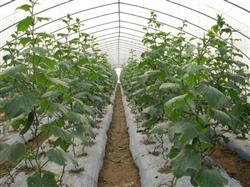
Detailed Explanation of Key Management Techniques for Spring Cucumber Cultivation
I. Careful Soil Preparation and Applying Organic Fertilizer in Layers. Cucumber seedlings have a high water content in their roots and stems and are brittle and prone to breaking; they fear waterlogging but cannot tolerate drought. Therefore, when preparing the soil, the ground should be level and slightly sloped to one side to facilitate drainage and irrigation, with no large clods and rich in organic matter. When plowing and harrowing, apply sufficient decomposed chicken manure and cake fertilizer in layers, ...
-
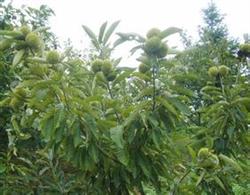
Detailed Explanation of Key Management Techniques for Chestnut Trees After Fruit Harvest
(1) Disease Control 1. Dieback Disease Dieback disease, also known as chestnut blight, chestnut trunk blight, or chestnut bark rot, is a fungal disease. The pathogen mostly invades through wounds, mainly damaging the trunk and branches. It is not easy to detect in the early stages. When lightly scraping the bark with a small knife, small reddish-brown spots can be seen. After the spots merge into patches, the bark surface becomes raised...
-
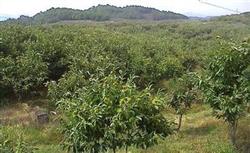
Detailed Explanation of Key Points on Chestnut Cultivation and Management Techniques
Chestnut is a well-known excellent dried fruit tree species of the Fagaceae family. The people of our country have a cultivation history of several thousand years and have accumulated rich experience. It occupies an important position in the economic life of our people. Chestnuts are rich in nutrition and delicious in taste. They can be eaten fresh, stir-fried, boiled, and made into various pastries and dishes. They have the characteristics of being sweet, fragrant, and glutinous...
-
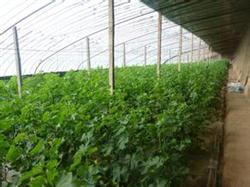
Key Points of Greenhouse Cucumber Management Techniques After Spring Festival
Manage Fertilizer and Water Well In mid-to-late February, most greenhouse cucumbers enter the peak fruiting period, and their demand for fertilizer and water gradually increases. Therefore, topdressing cucumbers should preferably be carried out after the end of February, generally applying 20 kg of urea, 5-8 kg of monopotassium phosphate, or 30-35 kg of potassium sulfate compound fertilizer per 1/15 hectare, once every 20...
-
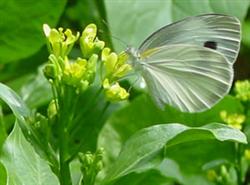
How to grow strong rapeseed seedlings? Master these key seedling-raising techniques
The rapeseed white butterfly, scientific name Artogeia (Pieris) rapae (Linnaeus), belongs to Lepidoptera, Pieridae. Synonym Artogeia rapae (L.). Also known as the cabbage white butterfly, white butterfly. The larva is called the cabbage caterpillar. It is distributed throughout the country. Its hosts include rapeseed, cabbage, cauliflower, Chinese cabbage, radish and other cruciferous vegetables...
-
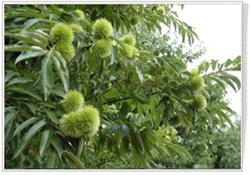
How to Grow Chestnuts for High Yield? A Comprehensive Guide to Cultivation Techniques
I. Close Planting. Reasonable close planting not only increases early yields and delivers economic returns as quickly as possible, but also facilitates intensive management of the orchard. Planting density: the spacing between plants and rows is generally 2m x 4m, 3m x 4m or 3m x 5m; the specific density should be determined by the characteristics of the rootstock, the characteristics of the scion, or the site conditions. The investment in establishing the orchard can be recovered within 6 years after planting...
-
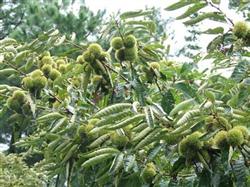
Detailed Explanation of Key Techniques for High-Yield Chestnut Planting
To achieve a high chestnut yield the following year, it is essential to break the practice of only harvesting chestnuts without any management, otherwise the yield and quality of chestnuts in the following year will be affected. Especially for chestnut trees in full bearing period, post-harvest management must be done well, with focus on the following four points. 1. Winter pruning: the winter pruning date for chestnut trees should be arranged in mid-December...
-

A Complete Guide to Fertilization Techniques and Key Points for Chestnut Orchards
Chestnut blight, also known as chestnut canker, trunk blight, or chestnut bark disease, is a major disease of chestnut trees. It mainly affects the trunk and main branches, often causing the trunk and main branches to rot until the entire tree dies. The chestnut blight pathogen mainly overwinters in diseased branches as mycelium, pycnidia, and perithecia, while conidia and ascosp...
-

-
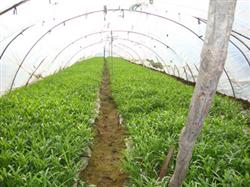
Pest and Disease Control Techniques for Greenhouse Cultivation of Water Spinach
1. The main diseases are damping-off and stem rot at the seedling stage, caused by low temperatures and excessively high relative humidity. Reducing humidity can alleviate the occurrence of diseases on the 12582 Nongxintong website. Spray with Ridomil at 700 times dilution or Kameitong at 800 times dilution for control. 2. The main pests are mites and red spider mites, which can be controlled with Karmante at 1000 times...
条件筛选