Opinions on the Occurrence of Sclerotinia Rot in Rapeseed and Its Control Techniques
This year's rapeseed growth is characterized by an earlier growth period than last year and a growth vigor close to last year's. The occurrence characteristics of rapeseed sclerotinia rot this year differ from previous years. Based on a comprehensive analysis of multiple factors including field inoculum sources, rapeseed growth vigor, varietal disease resistance and climatic conditions during the susceptible growth period, the natural occurrence level is a moderate-to-severe epidemic. ...
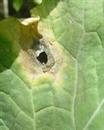
This year's rapeseed growth is characterized by an earlier growth period than last year and a growth vigor close to last year's. The occurrence characteristics of rapeseed sclerotinia rot this year differ from previous years. Based on a comprehensive analysis of multiple factors including field inoculum sources, rapeseed growth vigor, varietal disease resistance and climatic conditions during the susceptible growth period, the natural occurrence level is a moderate-to-severe epidemic.
I. Basis for Prediction
1. Field inoculum sources According to a general survey of sclerotia in the field conducted by the district plant disease and pest monitoring station from March 7 to 9, an average of 1,425 apothecia per mu was found, with a maximum of 7,800; apothecia were first observed on March 2, 6 days earlier than the average of normal years, making this an early-inoculum year. The peak period of pathogen spore release is expected from March 26 to April 8, coinciding with the full flowering stage of rapeseed.
2. Varietal resistance Over 90% of the rapeseed planted in our district this year consists of high-quality varieties. "Huyou 15", "Huyou 12" and others are all susceptible varieties, and their resistance is also declining year by year. Once favorable climatic conditions occur, the disease will spread rapidly.
3. Rapeseed seedling conditions better than previous years According to the seedling-stage summary at the Awakening of Insects (Jingzhe) period compiled by the Grain and Cash Crop Section of the district agricultural technology center, rapeseed seedling conditions are better than the same period of the previous three years, and the growth progress is close to previous years. The current field microclimate of rapeseed is favorable for pathogen infection and spread.
4. Susceptible growth period of rapeseed and climatic conditions Rapeseed will enter the full flowering stage in late March, with the full flowering stage from late March to early April. According to an analysis of the climate in our district: for the weather conditions from early April to late April, the number of rainy days is 3-4 days, 4 days, and 3-4 days respectively; the rainfall is 15-30, 20-40, and 15-25 mm respectively; and the average temperature is 13-14°C, 14-15°C, and 16-17°C respectively. The rainy days, rainfall and temperature during the susceptible growth period can satisfy the epidemic requirements of the disease.
II. Control Opinions
For rapeseed sclerotinia rot, the strategy of "prevention first, integrated control" must be adopted. Once symptoms appear on rapeseed, the effect of subsequent control measures will be poor. Therefore, it is essential to seize the optimal control period and apply pesticides promptly, resolutely overcome complacency and the mentality of leaving things to chance, take the initiative, and provide a guarantee for achieving a high rapeseed yield this year.
1. Agricultural control Continue to carry out ditch system clearing work so that no water accumulates after rain stops, thereby lowering the groundwater level and field humidity and improving the disease resistance of rapeseed.
2. Chemical control
(1) Optimal control period: Apply once at the early full flowering stage of rapeseed. If rainy weather occurs during the full flowering stage, apply a second treatment after an interval of 7-10 days.
(2) Control agents: Use 70 g (1 packet) of 25% Chimeiqing per mu (for fields with a relatively severe occurrence of rapeseed aphids, add 30 g of 10% imidacloprid per mu for simultaneous control). Spray with a small machine after adding 50 kg of water, or use a large machine with 20 kg of water for mist spraying. When applying the pesticide, be careful to spray onto the middle and lower stems and leaves of rapeseed to improve the control effect.