-
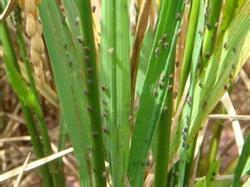
Detailed Explanation of Rice Pest and Disease Identification and Control Methods (Part 2)
The brown planthopper, also known as the brown rice planthopper, is commonly called roundworm, soft-shell roundworm, spindle worm, or midge. Scientific name Nilaparvata lugens (Stal), order Homoptera, family Delphacidae. The brown planthopper is one of the main pests on rice in China, causing damage in all major rice-growing regions across the north and south of the country. Every year it occurs and causes damage mixed with the white-backed planthopper, and the two planthoppers do not...
-
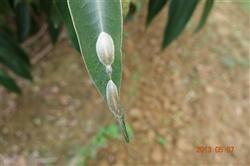
Symptom Identification and Control Techniques for the Litchi Fruit Borer
The litchi fruit borer is a major pest of longan and litchi. Its larvae bore into tender shoots, flower clusters and fruits. Damage during the young fruit stage causes severe fruit drop, while damage at maturity leaves the fruit stalk filled with insect frass, affecting quality. When tender shoots and flower clusters are damaged, their tips wither, affecting new shoot growth and flowering and fruiting the following year. This pest occurs in southern Fujian...
-
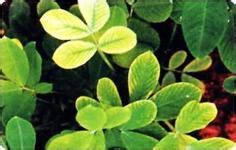
Symptom Identification and Control Methods for Peanut Web Blotch
I. Causes of Iron Deficiency in Peanuts Peanut is one of the crops that is relatively sensitive to iron. Although iron is not a component of chlorophyll, it is an indispensable condition for chlorophyll synthesis, a component of cytochrome oxidase and peroxidase related to respiration, and participates in the oxidation-reduction processes within the plant. It is...
-
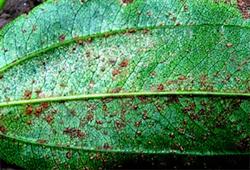
Identification and Control Methods of Jujube Rust Disease Explained in Detail
(1) Symptoms: Jujube rust disease only damages the leaves. In the early stage, pale green small spots are scattered on the underside of the leaves, later gradually becoming raised and dark yellow, which are the uredinia of the pathogen. The uredinia are irregular in shape and mostly occur on both sides of the midrib, at the leaf tip and base. After the surface of the lesion ruptures, yellow urediniospores are scattered. On the upper side of the leaf, corresponding to the uredinia, green...
-
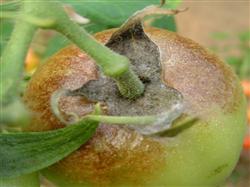
Identification and Control Methods of Tomato Late Blight
Tomato late blight, which vegetable growers call persimmon blight, is a devastating disease of tomatoes. - Symptom identification: The disease can occur in both seedlings and adult plants. When seedlings are affected, dark green water-soaked lesions appear on the leaves and quickly spread to the petioles and stems, making them thinner and dark brown, causing the whole plant to wilt or break at the stem. When humidity is high, the diseased area...
-
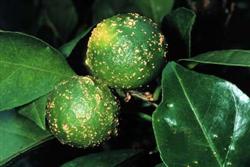
Identification of Fertilizer Damage Symptoms in Citrus Orchards and Detailed Prevention Measures
From early May to the end of June is the critical period for citrus from flower drop to fruit stabilization. In citrus production, this period is usually called the young fruit stage. During this time, citrus will go through two important physiological fruit drop stages: the first physiological fruit drop and the second physiological fruit drop. The quality of cultivation and management during this period often directly affects the yield and fruit appearance of that year...
-
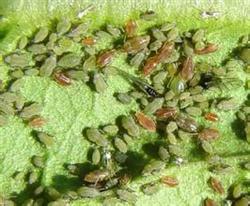
Identification and Control Methods for Green Peach Aphid on Cilantro
Description of Characteristics and Control Methods The green peach aphid, Myzus persicae (Sulzer), belongs to the order Hemiptera (formerly Homoptera; however, Homoptera has now been moved within Hemiptera), family Aphididae. Also known as the greasy bug, tobacco aphid, peach red aphid, and oil bug. The green peach aphid is a polyphagous pest, with host plants numbering approximately 74 families and 28...
-
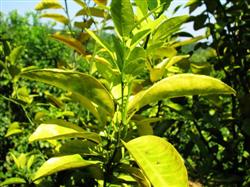
What to Do When Citrus Gets Huanglongbing? Symptom Identification and Control Techniques
Citrus huanglongbing is also known as "citrus cancer." It is a bacterial disease caused by a bacterium called Candidatus Liberibacter asiaticus, and is spread through grafted nursery stock and an insect called the Asian citrus psyllid. The harm it causes to citrus is enormous; if allowed to spread, it will deal a fatal blow to the citrus industry, killing trees and destroying orchards, and must be taken with the utmost seriousness...
-
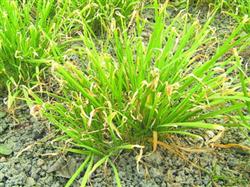
Diagnosis, Identification and Control Methods of Gray Mold in Chinese Chives
How to control gray mold in greenhouse Chinese chives. Gray mold in Chinese chives, also known as "white spot leaf blight" and "white spot rot", is the main disease of greenhouse Chinese chives. It should be controlled early to reduce losses and increase profits. The occurrence conditions and control methods of gray mold in Chinese chives are briefly summarized as follows: 1. Occurrence conditions 1. Chi...
-
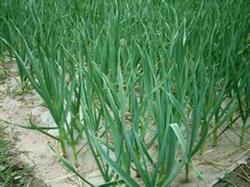
Symptom Identification and Control Measures for Nutrient Deficiency in Garlic
(1) Watering. Although garlic leaves are fairly drought-tolerant, the roots are shallow and have weak absorption capacity, so garlic requires relatively high soil moisture, and different growth stages have different requirements for soil moisture. After sowing, maintain relatively high soil moisture; if it is too dry, water in advance to achieve suitable moisture for sowing. Before winter...
条件筛选