-
Characteristics of the Jianlan (Cymbidium ensifolium) Mobao, Identification of the Genuine Variety, and Price Introduction
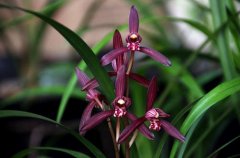
The Mobao orchid, just like its name, has flowers of rich, deep, and dignified color. It was first discovered in Sichuan, and this orchid belongs to the Jianlan (Cymbidium ensifolium) type. It is a premium variety among Sichuan Jianlan. Its most distinctive feature is its flower color: the entire flower is deep red with a purple tinge, even black-red.
-
A succulent's stem turning black is not necessarily black rot, it could also be lignification
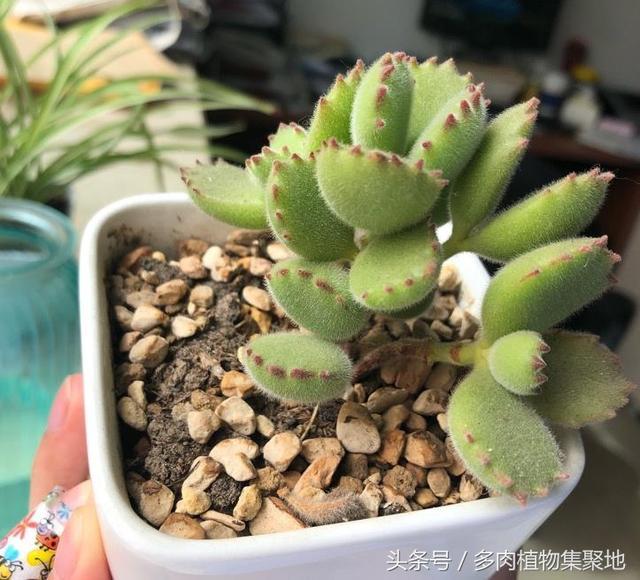
In succulent care, misunderstandings are inevitable. Some friends think a blackened stem means black rot. Many growers have encountered this: suddenly finding that the part of their succulent's stem in the soil has turned black, and a purplish black at that, so...
-
How to Tell Male and Female Yew Trees Apart? A Detailed Guide to Identification Methods
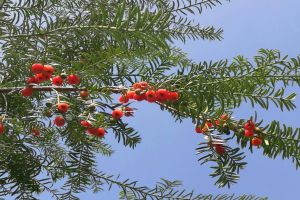
When growing yew at home, we all know it looks beautiful, but did you know it has male and female sexes? Do you know how to tell them apart? First, we can distinguish them by their leaves: the leaves of female plants are straighter and denser, growing in a ring pattern, and their growth rate is faster, while those of male plants grow in two layers and their growth rate is slower; second, we can distinguish them by their flowers: male flowers have pedicels and stamens, while female ones do not, and male flowers grow beneath the leaves, while female ones grow at the very top of the floral axis.
-
Identification and Control of Common Pests and Diseases of the Jade Plant
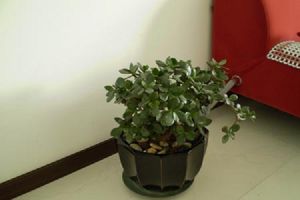
This is a very attractive plant, but it can suffer from pest problems, generally aphids and rot disease. To deal with aphids, when there are few of them we can pick them off with a small brush; when there are many, we can kill them with dichlorvos, essential balm, or a solution of soaked cigarette butts. To deal with rot disease, we can water appropriately, improve the air permeability of its soil, pull out the more severely affected plants, and apply Dakning (miconazole nitrate cream) to its wounds.
-
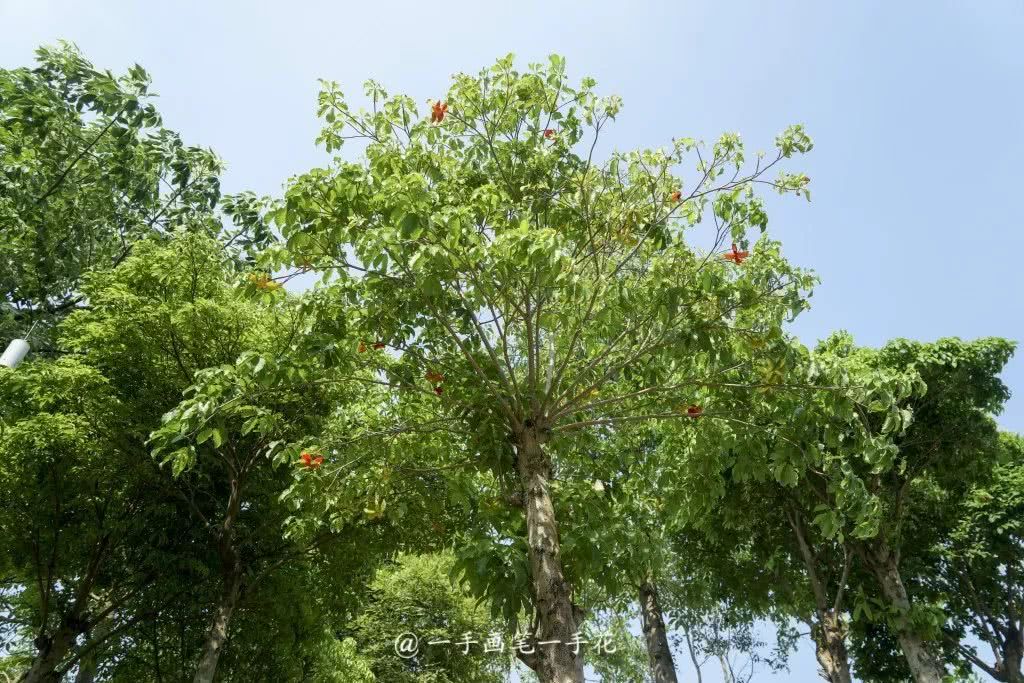
How to Tell Real and Fake Sterculia Apart? A Detailed Spring Identification Guide
About the author: One Hand Brush One Hand Flower, landscape architecture major, has deeply loved plants and nature since childhood, hopes to work in plant-related fields forever, in this world only beautiful flowers and delicious food are worth living up to, Weibo @One Hand Brush One Hand Flower Sterculia (Sterculia ...
-
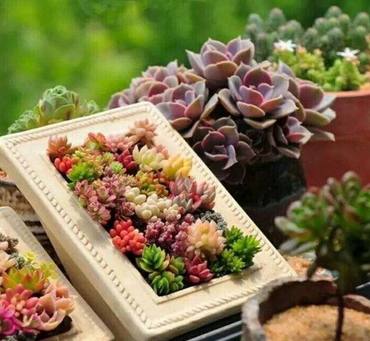
Don't rush to throw away waste items - with a little modification, they become unique and exquisite potted plants
Plants and flowers can cultivate the mind and elevate character. Especially during spring when all things grow, many nature-loving friends choose this season to pick up some flowers and green plants they like, or some particularly cute succulents.
-
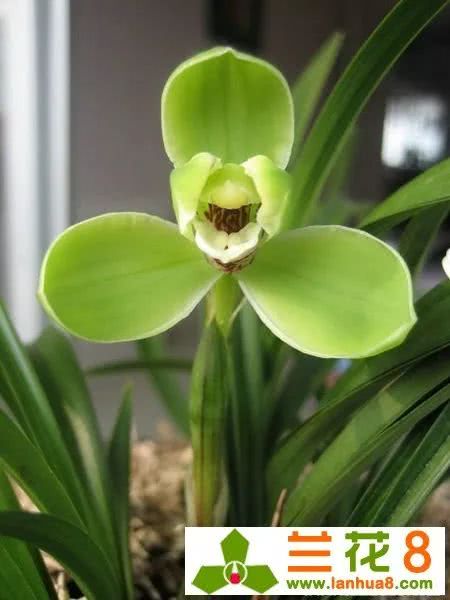
Orchid Petal Type Analysis: Detailed Explanation of Common Petal Type Classifications and Characteristics
Promote Chinese orchid culture, spread orchid knowledge. I. Plum Petal. Plum petal: the three outer petals have tight edges and rounded tips, the central column is strongly masculinized with a cupped shape and white tip; if the lip is relaxed and not curled, it is a plum petal. When the plum petal is about to bloom, due to masculinization, the three outer petals have white edges and the petals have white tips. The entire flower shape looks quite like a plum blossom in snow; the ancients' metaphor is indeed apt and vivid. Plum petals are further divided according to the degree of masculinization into hard-cupped plum petals and soft-cupped plum petals. Among hard-cupped ones, there are extremely hard-cupped and hard-cupped plum petals. Extremely hard-cupped plum petals, due to extremely strong masculinization, often have the petals adhering to the column, with a very small hard lip or with cheek-like structures and no lip; such flowers' outer petals are mostly flared and upturned, and the flower shape is extremely inelegant! We know that the strength of masculinization is greatly related to flower quality. The stronger the masculinization, the tighter and harder the central column, and the worse the flower quality! If such a flower shape has tender color and broad outer petals, it also has ornamental value, but most outer petals are flared and upturned, and have traditionally not been valued by orchid growers! The masculinization of hard-cupped plum petals is slightly weaker than that of extremely hard-cupped ones, mostly split-head closed-back or joined-shoulder closed-back hard silkworm-moth petals, and the lip is mostly a dragon-swallowing lip, small round lip, etc.; some flowers have slightly flared outer petals! The masculinization of soft-cupped plum petals is relatively moderate, mostly five-petal separated soft silkworm-moth petals, with the three outer petals rounded and tight, and the lip mostly able to spread broadly, mostly a Liu Hai lip or Ruyi lip; the central column is rounded and neat, making it a fine among plum petals! The overall form of a superior plum petal should closely resemble a plum blossom, and reaching such a standard is very rare! The leaves of plum petals feel relatively thick and hard, with strong uprightness or bow-like form, looking rather vigorous; the basal leaves are slightly spreading, the sheath is hard and extends obliquely at about 15 degrees, feeling prickly to the touch; when the sheath is not yet withered, one can see a white pointed tip at the sheath tip, about the size of a millet grain, crystal clear, greatly different from the leaf tip of ordinary flowers. When selecting wild-collected orchids, if you encounter sheath color bright and smooth, veins fine and sparse reaching the top, heavy sand and dense halo, color lighter below and darker above, with a green tip at the apex, large empty head, lower part of the flower bud tightly contracted, and the middle round and bulging like a peanut or soybean, it is mostly a plum petal! This requires everyone to observe more usually in order to judge quickly and accurately!
-
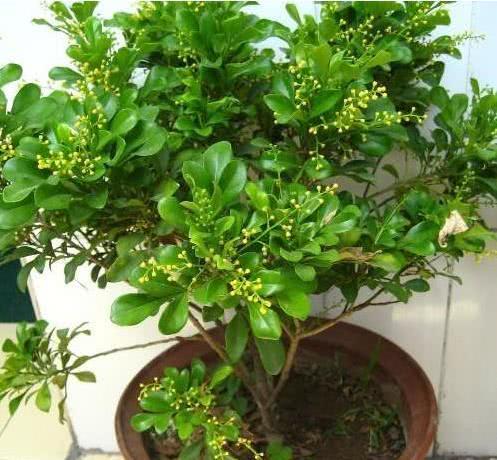
Quick identification methods for Aglaia odorata, Murraya paniculata and boxwood
When it comes to the three plants Aglaia odorata, Murraya paniculata and boxwood, people with some knowledge of plants may not find it hard to tell them apart, but for most people, especially those who know nothing about plants, they may be hopelessly confused. In fact, Aglaia odorata belongs to the genus Aglaia in the Meliaceae family...
-
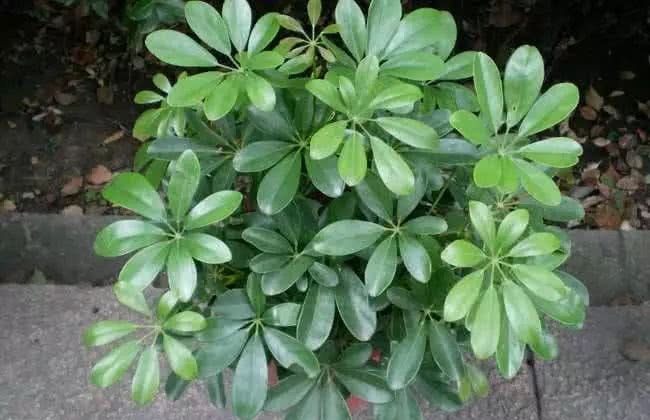
Grow These 2 Types of Flowers Indoors to Boost Air Purification by 5 Times for a Healthier Whole Family
(Summary) All kinds of flowers, plants, and trees bring us benefits. They are not only beautiful in appearance but also purify the air. However, fellow plant lovers may not yet know that if the placement and pairing of plants are more reasonable, their effects can be greatly...
-
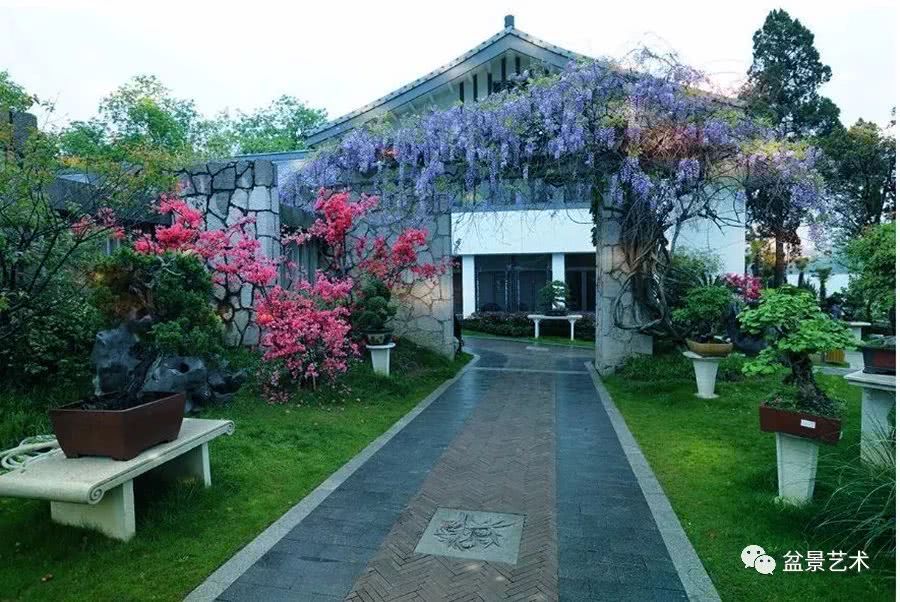
What is a bonsai garden? A detailed explanation of the concept and classification of bonsai gardens
The concept of a bonsai garden. A bonsai garden is a form of garden-within-a-garden that gradually began to appear in parks in our country starting in the 1960s. Later, through gradual development, it became a specialized garden mainly focused on bonsai creation, bonsai collection, and bonsai display...
条件筛选