Identification of Fertilizer Damage Symptoms in Citrus Orchards and Detailed Prevention Measures
From early May to the end of June is the critical period for citrus from flower drop to fruit stabilization. In citrus production, this period is usually called the young fruit stage. During this time, citrus will go through two important physiological fruit drop stages: the first physiological fruit drop and the second physiological fruit drop. The quality of cultivation and management during this period often directly affects the yield and fruit appearance of that year...
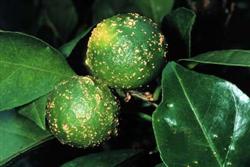 Fertilizer damage symptoms. Citrus fertilizer damage symptoms appear within 10 to 60 days after fertilization. They first begin at the tips of old leaves at the base of branches, which lose water and turn white or become yellowed and scorched, then fall. The new leaves at the top of branches fall later or remain scorched on the branches without falling. By examining severely damaged withered branches, it can be found that severe bark rot occurs on the main branches and lateral branches above ground at positions corresponding to the fertilized area. When the bark is scraped and observed, the bark has lost its green color and turned brown, and the branches are withered and dehydrated. When roots are dug up and observed, the "mat-like roots" in the fertilized area and nearby surface soil layer are completely rotted, and the root bark of fine roots and thick horizontal roots is rotted and peeled, extending toward the root crown, main trunk, and main branches. For citrus trees that survive with relatively mild fertilizer damage, generally the nearest new flush cannot sprout. If fertilizer damage occurs before flowering, flower buds cannot appear.
Causes of fertilizer damage. Fertilizer damage is related to factors such as fertilizer type, fertilization method, and the degree of soil dryness or moisture in the citrus orchard. When farmyard organic fertilizer is applied or chemical fertilizer is mixed with farmyard manure, citrus trees rarely develop fertilizer damage, while applying chemical fertilizer alone makes fertilizer damage more likely. Among chemical fertilizers, ammonium chloride is the most likely to cause fertilizer damage in citrus, followed by ammonium sulfate, urea, ammonia water, ammonium bicarbonate, etc., while compound fertilizer and superphosphate are less likely to cause fertilizer damage. Heavy application rates and improper fertilization methods are the main causes of citrus fertilizer damage. With the same application rate, dry application in dug holes is more likely to cause fertilizer damage than drenching with water in opened trenches. Especially when the soil is dry and holes are dug for dry application, if there is a long period of clear weather without rain after application, once it rains, fertilizer damage may come more rapidly and more severely.
Measures to prevent fertilizer damage. First, scientific fertilization should be advocated. Citrus fertilizer should be based mainly on farmyard organic fertilizer. Farmyard manure can not only provide various nutrients for citrus trees, but also improve soil structure, while having a longer fertilizer effect. For winter and spring base fertilizer, it is even more suitable to apply cake fertilizer, barnyard manure, garbage, river and pond mud, and human feces, etc. Farmyard manure has a better effect after being composted and decomposed. If it has not been piled and decomposed, when used it should be applied deeply in trenches dug beyond the drip line of the tree canopy for better results. When chemical fertilizer is used as topdressing, it must be applied by drenching with water, and dry application in dug holes must be avoided when the soil is dry. The fertilizer application rate must not be too high, especially for nitrogen chemical fertilizer, where the application rate should be paid even more attention. For a citrus tree with an annual yield of 50 kg per tree, the amount of pure nitrogen applied per tree each time must not exceed 250 g. For foliar topdressing, the fertilizer solution concentration must not exceed 0.5%.
Emergency handling of fertilizer damage. When old leaves at the base of branches are seen scorched and falling after fertilization, the soil at the fertilized area should be quickly dug open, and the soil in the fertilization holes should be washed with clean water to dilute the concentration of the fertilizer solution in the soil, and the thick roots that have already rotted to death should be cut off, then new soil should be covered. Scrape off the rotted bark at the root crown and main trunk, apply fungicide, prevent the rot spots from spreading, and prune off the withered branches.