-
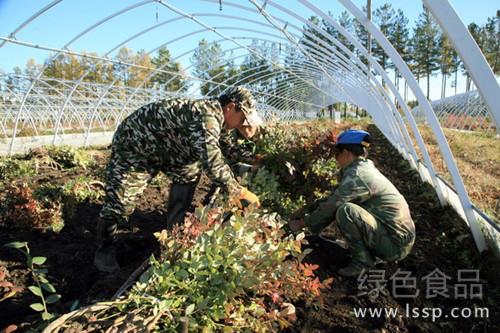
Northern blueberries have poor lignification, shallow root systems, and are not cold-tolerant. How can they be protected from the cold and overwintered?
Poor lignification, shallow roots, not cold-tolerant: how can northern blueberries be protected from the cold and overwintered?
-
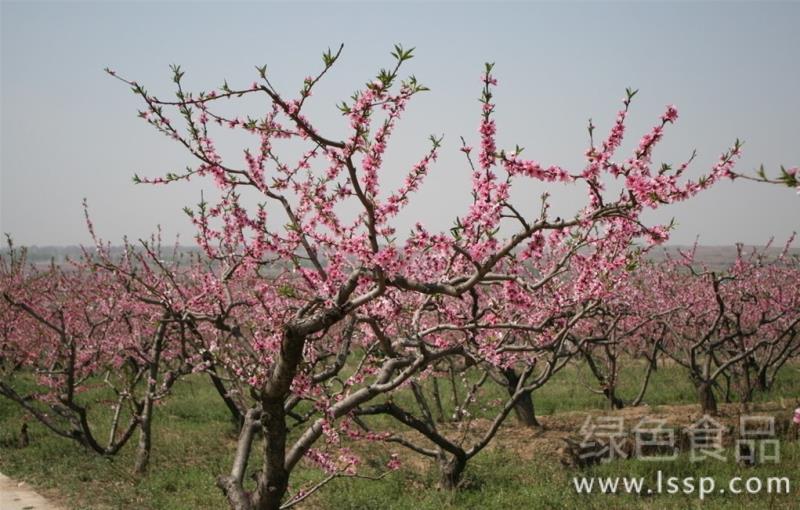
What to Do About Boron Deficiency in Peach Trees? Symptom Identification and Control Measures
Symptoms of Boron Deficiency in Peach Trees and Control Measures
-

Identification and Control Methods for Common Pests and Diseases of Bonsai
Control of Bonsai Pests and Diseases. Trunk and branch diseases: These manifest as rot of the phloem and cambium of the trunk and branches, stem rot and cankers on the trunk and branches, surface rot of the trunk and branches, decay of the heartwood, and spots on the twigs. Usually, Bordeaux mixture should be sprayed, followed by lime sulfur mixture, and the decayed parts should be scraped off.
-
Identification of Symptoms of Powdery Mildew on Japanese Honeysuckle and Detailed Explanation of Prevention and Control Methods
Japanese honeysuckle (Lonicera japonica) is a perennial vine-like shrub of the genus Lonicera in the Caprifoliaceae family. Its buds and nearly opened flowers are used as medicine, and the leaves and branches can also be used as medicine. It has the effects of clearing heat and detoxifying, and it is now cultivated in many cities and counties from south to north in China. Powdery mildew is a common disease on Japanese honeysuckle, occurring widely in all cultivation areas across the country, with serious damage
-
Identification of Damage Symptoms and Control Methods of Tobacco Mosaic Disease
Tobacco mosaic disease occurs commonly in tobacco-growing regions throughout the world, and is found in both northern and southern tobacco regions of China, with the southern tobacco regions suffering more severe damage. It can develop from the seedling stage through to the harvest stage. The incidence rate of affected plants in the field is generally 5-20%, and in individual plots it can reach as high as 90-100%. Losses from early infection can reach 50-70%, or even result in total crop failure.
-
Identification and Control Methods for Diseases of Alocasia macrorrhiza
Leaf spot disease: Leaf spot disease can be treated by spraying the leaf surface with an 800-fold dilution of chlorothalonil or carbendazim, for 2-3 consecutive applications, once every 7 days. Anthracnose: Anthracnose requires spraying the leaf surface with a 500-fold dilution of 75% thiophanate-methyl, once every 7 days, for 2-3 consecutive applications, which can basically bring it under control
-
Symptoms and Identification Methods of Common Diseases in Firecracker Flower (Hamelia patens)
I. Sooty Mold Sooty mold is mainly caused by sooty mold fungi invading the leaves of the firecracker flower (Hamelia patens). The main symptom is the appearance of spotty and patchy sooty mold deposits on the leaves, which in the later stages spread to cover the entire leaf, causing the leaves of the firecracker flower to crack and drop off. The sooty mold fungi mainly live as parasites on the excrement and secretions of aphids and scale insects.
-
Identification and Control Methods for Scale Insect Pests on Maidenhair Fern
1. Cause One: Delayed Pruning. When dead leaves are found on maidenhair fern during care, they should be removed promptly to keep the plant fresh and attractive and to encourage new leaf growth. Otherwise, the branches and leaves will become too messy and crowded, leading to weakened growth and yellowing, withered leaves.
-
Symptom Identification and Control Methods for Powdery Mildew on Euonymus japonicus
Symptoms mainly affect young new shoots and leaves, mostly occurring on the underside of leaves. When the disease strikes, small round powdery spots first appear on the surface of young leaves, then gradually expand, and the lesions gradually spread into round powdery layers; the powdery layer on old lesions turns grayish-white. In severe cases, the entire leaf is covered with powdery mildew, the leaf shrinks and develops faded patches
-
Identification and Control Methods for Common Pests of Pilea
Scarab Beetles Scarab beetles are invertebrates and are considered omnivorous, eating just about anything. Different species live in different environments, such as deserts, farmland, forests and grasslands; in short, they can be seen just about anywhere. There are many species of scarab beetles.
条件筛选