-
Let me know if you need further clarification or additional information!
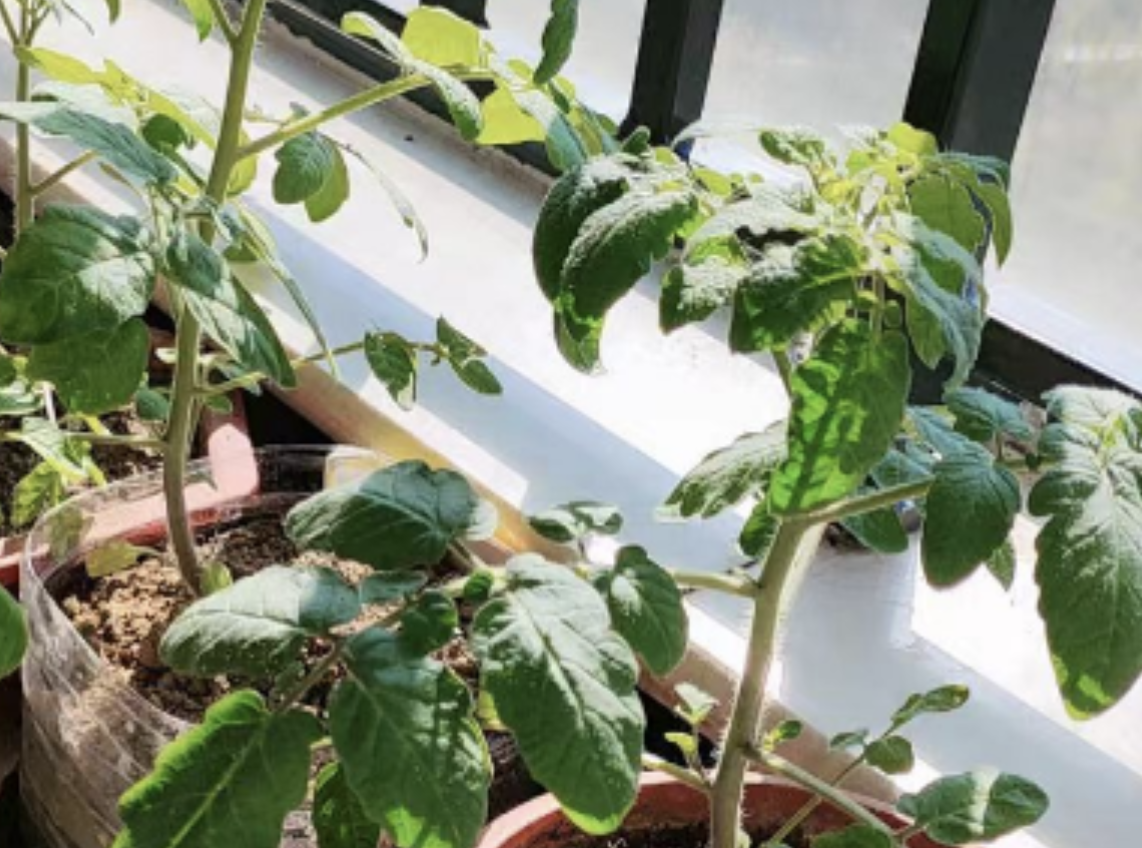
Let’s first talk about physical control, which is the most basic and safest method. As we all know, red spider mites usually gather on the undersides of tomato
-
Identification Tips and Cultivation Methods for Dracaena deremensis 'Rothiana' Explained in Detail
Cultivation Methods for Dracaena deremensis 'Rothiana' How to Identify Dracaena deremensis 'Rothiana'
-
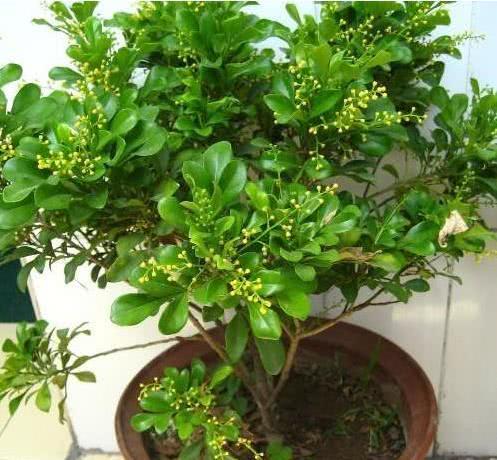
Quick identification methods for Aglaia odorata, Murraya paniculata and boxwood
When it comes to the three plants Aglaia odorata, Murraya paniculata and boxwood, people with some knowledge of plants may not find it hard to tell them apart, but for most people, especially those who know nothing about plants, they may be hopelessly confused. In fact, Aglaia odorata belongs to the genus Aglaia in the Meliaceae family...
-
South Africa's National Treasure Tea Gets EU Origin Certification, One of South Africa's Three Treasures Sees a Surge in Value
South Africa's national treasure tea is rich in natural nutrients and free of caffeine. In recent years it has rapidly risen to fame in the beverage market, and in May of this year it passed certification by the European Commission, obtaining protected designation of origin, becoming the first African crop to obtain this certification, meaning that even if the same
-

How Are Flowers Classified? A Detailed Guide to Common Flower Classification Methods
What Are the Classifications of Flowers? What Common Flower Classification Methods Are There?
-
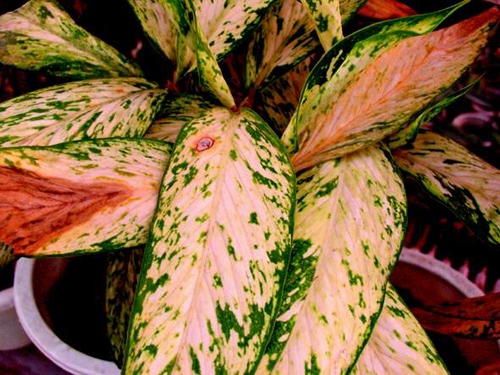
What to Do About Cold Damage in Flowers? Symptom Identification and Prevention Methods
When flowers suffer mild cold damage, herbaceous flowers show discoloration, necrosis and spots on the surface; woody flowers also show bud blight, cracked bark, gum exudation and leaf drop.
-
A Detailed Guide to the Classification Methods and Variety Characteristics of Chinese Cymbidiums
Terrestrial Orchids Terrestrial orchids are suited to growing in the loose soil layer on the ground surface. The terrestrial orchids native to our country are also called "Chinese cymbidiums," and they have high ornamental value and economic value. This article focuses on Chinese cymbidiums. Terrestrial orchids have poor seed propagation ability, and tissue culture is difficult; there are currently no successful reports. Therefore, although there are many types of terrestrial orchids...
-

-
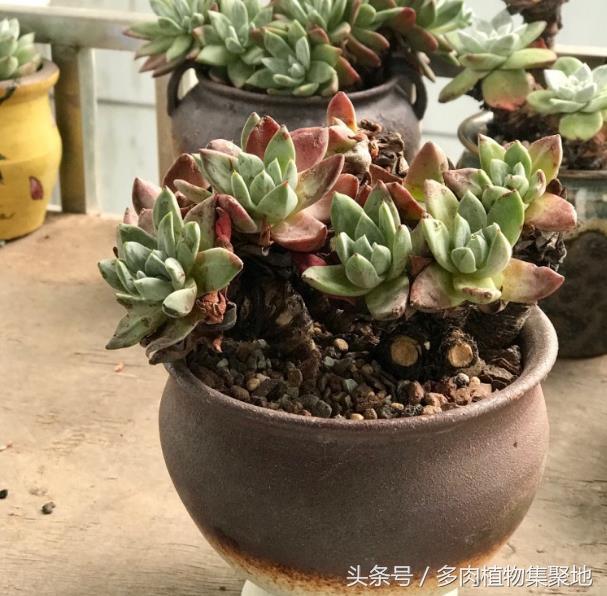
Don't Panic About Succulent Lignification - Prune This Way for Healthy, Beautiful Succulents
Most succulents have thick, fleshy, juicy leaves, but as for their roots: many Sedum-type plants have fine, dense fibrous roots, unlike Haworthia, which has thick, solid roots. In order to support the increasingly heavy upper body as the plant keeps growing, the succulent...
-
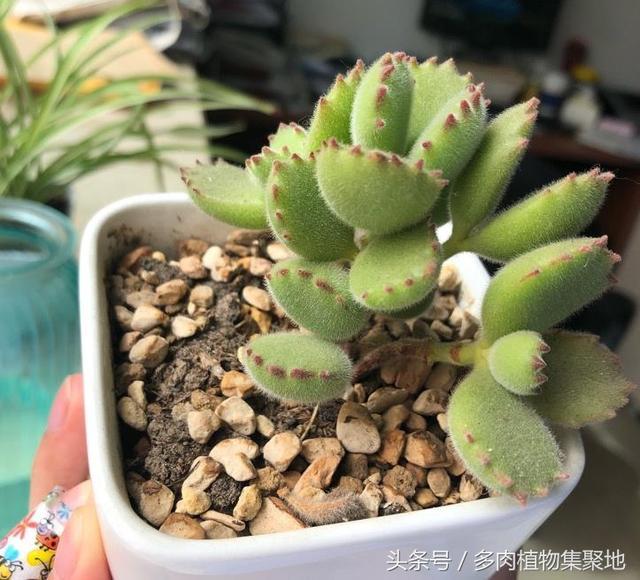
A succulent's stem turning black is not necessarily black rot, it could also be lignification
In succulent care, misunderstandings are inevitable. Some friends think a blackened stem means black rot. Many growers have encountered this: suddenly finding that the part of their succulent's stem in the soil has turned black, and a purplish black at that, so...
条件筛选