Symptom Identification and Control Methods for Peanut Web Blotch
I. Causes of Iron Deficiency in Peanuts Peanut is one of the crops that is relatively sensitive to iron. Although iron is not a component of chlorophyll, it is an indispensable condition for chlorophyll synthesis, a component of cytochrome oxidase and peroxidase related to respiration, and participates in the oxidation-reduction processes within the plant. It is...
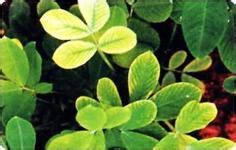 Peanut web blotch, also known as brown stripe disease and cloud-pattern blotch, often occurs mixed with leaf spot disease, and can cause early defoliation of peanut leaves, seriously affecting peanut yield.
Symptom manifestation Web blotch often occurs at the flowering stage, with the peak period from the pod-setting stage to the maturity stage, mainly damaging leaves. It initially produces round or irregular dark brown small spots along the main vein, with chlorotic halos around the spots, and then irregular brown spots with a net-like margin appear on the upper surface of the leaves, and small chestnut-brown dots are visible on the diseased parts. During continuous rainy weather, the leaf spots are relatively large, nearly round, and dark brown, while the spots on the underside of the leaves are not obvious and are light brown; in severe cases, the spots merge. Under dry conditions, the spots tend to crack and perforate. Once the leaves are infected, they are very prone to falling off.
Occurrence pattern Continuous rainy days are conducive to the occurrence and spread of this disease. Fields with high humidity are prone to the disease, and continuous cropping fields have severe disease incidence.
Control methods Strengthen field management: apply more decomposed organic fertilizer and phosphorus and potassium fertilizers, water reasonably, cultivate timely, improve plant disease resistance, and promptly remove diseased residues after harvest. Chemical control: in the early stage of the disease, spray with 70% mancozeb wettable powder at 500-600 times dilution, or 75% chlorothalonil wettable powder at 700-800 times dilution, or 64% oxadixyl wettable powder at 500 times dilution for control, spraying once every 7-10 days, for 2-3 consecutive sprays.