-
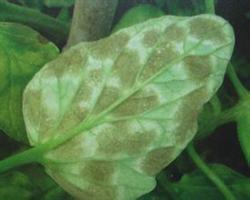
Early prevention and control of leaf mold in autumn tomatoes gives good results
Early blight: after the disease develops, concentric ring-patterned lesions appear on the leaf surface, dark brown and water-soaked. Before and after the disease appears, spray with a 500-fold dilution of 70% mancozeb wettable powder, or a 400-fold dilution of 75% chlorothalonil wettable powder, once every 7 days, for 3~4 consecutive sprays.
-
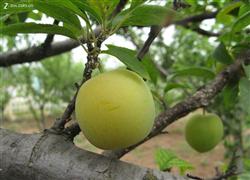
How to prevent and control insects inside plum fruits
This pest is a member of the Lepidoptera family Tortricidae (small leafroller moths), and is the most serious pest damaging plum fruits, with damage rates often reaching 80%-90%. At the insect hole, teardrop-shaped gum oozes out, and the damaged fruit cannot continue to develop, gradually turning purplish-red and dropping off. The tunnels inside the damaged fruit are filled with red insect frass, which local people call "red bean paste filling"...
-
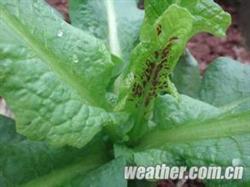
How to prevent and control lettuce virus disease? Aphid control is key
Virus disease is a major disease of lettuce and stem lettuce, occurring commonly, and currently there is no ideal chemical control available either domestically or abroad. Prevention should be the main approach, adopting agricultural control measures and timely control of aphids. Virus disease is caused by virus infection, and in the field it is mainly transmitted by aphids and through sap contact during farming operations. Diseased plants...
-
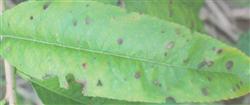
A Detailed Guide to Common Pests and Diseases of Plum Trees and Their Control Methods
After the first pinching of plum trees, pinch the new secondary shoots when they reach 20 cm, and pinch the developing branches when they reach 60-80 cm. If there are many branches, some can be thinned out; if the branches are not too dense, thin as little as possible and rely more on control. Before mid-July, clear all weeds from the orchard. 1. Bacterial shot hole disease, can use carbendazim...
-
Spring Pest and Disease Control Methods for Protected Plum Trees
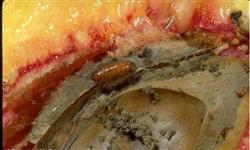
1. Mound soil at the base of the trunk. Before overwintering adults emerge from the soil (mid to late May), build a 10 cm thick mound of soil around the tree basin and tamp it down firmly so that emerging adults cannot come out of the soil. 2. Apply pesticide to the ground. Before overwintering adults emerge (after petal fall), spray the tree basin with 75% phoxim emulsifiable concentrate at 0.5 kg/mu, or 40...
-
Control Methods and Technical Key Points for Excessive Growth of Greenhouse Potatoes
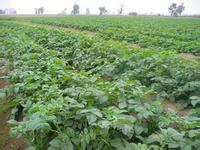
Mepiquat chloride: During the bud stage to flowering stage of potatoes, foliar spraying of 60-120 mg/L mepiquat chloride (use the lower concentration limit at the bud stage) can inhibit the growth of the aboveground part of the plant, increase yield, and increase the proportion of large and medium tubers. Chlormequat chloride: During the plant bud stage to early flowering stage, use 2000-2500 mg/L chlormequat...
-
How to control alternate bearing in plums? These methods are essential
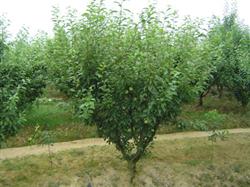
Plum trees have been cultivated in China for more than 3,000 years. The Book of Songs records "the blossoms are peach and plum" and "you throw me a peach, I return you a plum." The Guanzi states, "On the five fertile soils, the trees suited to them are plum and apricot." This shows that plum trees and apricot trees have a long history of cultivation in China and adapt well in both the north and the south. But for a long time, our...
-
Peach Tree Powdery Mildew: Control Methods and Key Technical Points
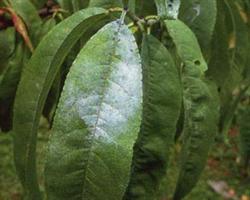
Control methods for peach tree powdery mildew: 1. After leaf fall, remove diseased leaves to reduce the source of infection. 2. Spray fungicides for protection during the growing season: in the early stage of the disease, spray 0.2 to 0.3 degrees Baume lime sulfur mixture, or a 2000 to 3000 times dilution of 15% wettable powder triadimefon, or a 1500 to 2000 times dilution of thiophanate-methyl. 3. Improve ventilation and light penetration...
-
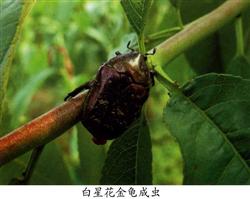
How to control white-spotted flower chafer pests on nectarines
[Morphology and damage symptoms] Adults are 20-24 mm long, purple-copper in color, with more than 10 irregular white spots on the pronotum and elytra. Adults gnaw ripe fruit, making it lose its commercial value. [Occurrence pattern] The white-spotted flower chafer has 1 generation per year, overwintering as larvae in soil and organic fertilizer; it readily breeds in chicken manure. Adults emerge from June to September and fly to orchards, where they like to gather and damage ripe fruit. Adults are attracted to sugar-vinegar liquid, and in July adults look for suitable places to lay eggs.
-
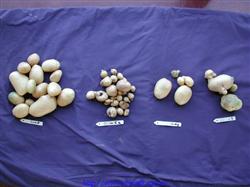
Causes of Deformed Potato Tubers and Control Measures
Deformed potato tubers are a problem that some growers overlook while single-mindedly pursuing higher yields: deformed tubers often appear during tuber growth, especially in the spring crop of double cropping, where high temperatures and drought lead to a high proportion of deformed tubers, seriously affecting the marketability of potatoes and greatly reducing potato...
条件筛选