A Detailed Guide to Common Pests and Diseases of Plum Trees and Their Control Methods
After the first pinching of plum trees, pinch the new secondary shoots when they reach 20 cm, and pinch the developing branches when they reach 60-80 cm. If there are many branches, some can be thinned out; if the branches are not too dense, thin as little as possible and rely more on control. Before mid-July, clear all weeds from the orchard. 1. Bacterial shot hole disease, can use carbendazim...
 After the first pinching of plum trees, pinch the new secondary shoots when they reach 20 cm, and pinch the developing branches when they reach 60-80 cm. If there are many branches, some can be thinned out; if the branches are not too dense, thin as little as possible and rely more on control. Before mid-July, clear all weeds from the orchard.
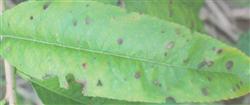
1. Bacterial shot hole disease,
Spray with fungicides such as carbendazim and Tuzet. When shot hole disease is severe, it can cause the tree to die. Spraying ordinary fungicides is ineffective; agricultural streptomycin can be sprayed for control. If it still cannot be controlled, veterinary streptomycin can be sprayed for control.
2. White-spotted flower chafer
The white-spotted flower chafer likes to feed on wounded fruit, so special attention must be paid to its control. There are 3 methods for controlling the white-spotted flower chafer:
1. Sunflower trap method: In the orchard, plant sunflowers in a scattered single-plant pattern, planting 8-10 sunflowers per mu. Using the scent of sunflowers to attract them, every morning cover a sunflower head with a bag and tap it, so the adults fall into the bag, then kill them all together.
2. Fruit vinegar liquid trap method: Use the white-spotted flower chafer's preference for fruit vinegar liquid to trap and kill it. Preparation method of the fruit vinegar liquid: 1 part fallen fruit, 1 part vinegar, 2 parts sugar, 0.5 part water. Chop the fallen fruit, mix with vinegar, sugar, and water, then boil into a porridge-like consistency, put it into a wide-mouth bottle (half a bottle is enough), then add half a bottle of 500-fold diluted dichlorvos and mix evenly. During the peak occurrence period of adult white-spotted flower chafers, hang 1 bottle every 20-30 m in the orchard, at a height of 1.2-1.5 m above the ground. The bottle should be close to the branches and trunk, and remove the dead white-spotted flower chafers every morning.
3. Using insects to attract insects method: In the orchard, following the standard of hanging 6-8 beer bottles per mu, hang the beer bottles at a height of about 1.5 m above the ground, catch 2 or 3 live adult white-spotted flower chafers and put them into the beer bottles, and other adults will be attracted to fly into the bottles.
3. Plum fruit moth
For plum fruit moth and similar pests, use 2.5% deltamethrin 3000-fold dilution, or 50% phoxim 800-fold dilution + 40% omethoate 800-fold dilution, or 20% fenvalerate 3000-fold dilution.
4. Gummosis
The occurrence of gummosis is related to wounds, freeze damage, and damage by the green leafhopper, so during pruning, reduce large wounds as much as possible, and apply medication to large pruning cuts. During the occurrence period of the green leafhopper, pay attention to medication for control. For trees that already have gummosis, scrape off the gum and apply sulfur suspension concentrate to cure it.
5. Red spider mite
The key to controlling red spider mites is to grasp the correct control timing; they must be eliminated before the wheat harvest. A mixture of imidacloprid and qimansu can be used for control, or 40% dicofol emulsifiable concentrate 1500-2000-fold dilution can be used for control.