How to prevent and control insects inside plum fruits
This pest is a member of the Lepidoptera family Tortricidae (small leafroller moths), and is the most serious pest damaging plum fruits, with damage rates often reaching 80%-90%. At the insect hole, teardrop-shaped gum oozes out, and the damaged fruit cannot continue to develop, gradually turning purplish-red and dropping off. The tunnels inside the damaged fruit are filled with red insect frass, which local people call "red bean paste filling"...
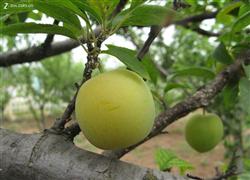
This pest is a member of the Lepidoptera family Tortricidae (small leafroller moths), and is the most serious pest damaging plum fruits, with damage rates often reaching 80%-90%. At the insect hole, teardrop-shaped gum oozes out, and the damaged fruit cannot continue to develop, gradually turning purplish-red and dropping off. The tunnels inside the damaged fruit are filled with red insect frass, which local people call "red bean paste filling".
Control methods: The key periods for controlling the plum fruit borer are the peak adult stage and peak egg-laying stage of each generation, and the period when the first-generation mature larvae enter the soil. Use 0.8% trichlorfon solution (90% formulation), 1% malathion solution (50% formulation), and 0.8% dichlorvos solution (50% formulation). Before the physiological fruit drop of plum trees, apply a broad treatment of 1%-1.5% phoxim solution (50% formulation) to the soil beneath the canopy. At the end of flowering (95% of flowers fallen), when the small fruits are the size of wheat grains, spray the first treatment; dichlorvos, deltamethrin, fenvalerate, or lambda-cyhalothrin may all be used, spraying once every 7-10 d. From the perspective of integrated pest management, biological agents such as Beauveria bassiana can be used to treat the soil beneath the canopy. After autumn, all fallen fruits should be swept up to reduce the source of insects for the following year.