-
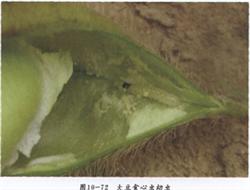
What damage does the soybean pod borer cause? A detailed explanation of control techniques and methods
The soybean pod borer belongs to the order Lepidoptera, family Tortricidae, and is also known as the soybean pod-boring moth, pod worm, and small red worm. Its larvae bore into soybean pods and feed on the beans, with an annual bean-feeding rate of about 10-20%, up to 30-40% in severe cases and as high as 80% at worst, and it also affects soybean quality and lowers the grade. When the soybean pod borer appears in the field...
-
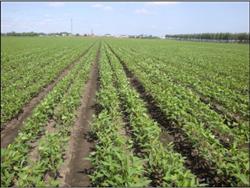
What are the control methods for the three major soybean diseases?
Soybean root rot: This disease can occur and cause damage throughout the entire growth period of soybean, with yield reductions ranging from 25% to 75% or more. The protein content of infected seeds is significantly reduced. The main symptoms are dark brown lesions appearing at the base of the stem and spreading upward to varying degrees to the lower lateral branches, causing the pith of the diseased stem to turn brown, the base of the petiole to constrict...
-
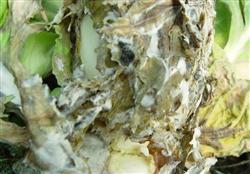
What are the control methods for downy blight (Phytophthora rot) in cabbage and cauliflower?
This spring has seen a lot of low-temperature and rainy weather, making cabbage prone to sclerotinia rot, so check and treat it early. When sclerotinia rot occurs at the cabbage seedling stage, water-soaked light brown lesions appear on the leaves with indistinct edges, and the diseased tissue soft-rots, causing damping-off. When plants are affected during the head-forming stage, water-soaked sunken lesions form on the leaves near the ground and on the root crown, initially appearing...
-
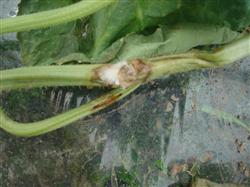
What to Do About Potassium Deficiency in Melons? Detailed Prevention and Control Methods
While inspecting the growth of watermelons and melons, a few melon plants at the flowering and fruiting stage were found to be affected by sclerotinia rot. This disease generally occurs sporadically and has no obvious impact on melon production. In a few greenhouses, however, the incidence was more severe, causing dead vines and rotten melons and affecting yield. Prevention and control methods: (1) Pay attention to ventilation and dehumidification, and promptly remove old leaves at the base during the growing period...
-
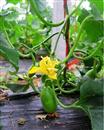
Causes and Control Methods of Deformed Melon Fruits
For melons raised in greenhouses and grown with double-film cultivation, the fruit-setting rate is not high, and flower and fruit drop is very serious. According to surveys, some drop rates reach as high as over 70%, especially for thick-skinned melons, where the drop rate is even higher. This affects both yield and quality, delays the melon's time to market, and reduces profits. The reasons are: first, too much base fertilizer was applied...
-
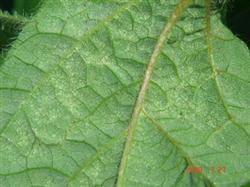
Occurrence Patterns and Control Methods of Soybean Red Spider Mites
Red spider mites is the collective name for red leaf mites, a composite population of several leaf mite species belonging to the family Tetranychidae. In Huachuan County, they occur to varying degrees every year, though these are generally light occurrence years. However, according to this year's surveys, due to the effects of recent high temperatures and drought, the damage caused by red spider mites to soybeans in Huachuan County has risen from a secondary position to a primary...
-
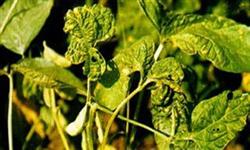
How to prevent and control soybean bud blight? A full breakdown of practical methods
Soybean bud blight, also called bud rot, is one of the soybean viral diseases with a relatively large impact on yield. Depending on the stage at which it occurs, losses range from 25% to 100%. In 1962 in China, similar symptoms appeared on foreign varieties introduced in Shandong Province, and afterward the disease occurred in Hebei, Beijing, Liaoning, Jilin, Heilongjiang and other places...
-
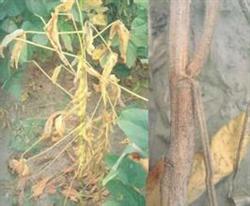
Occurrence and Control Methods of Soybean Rhizoctonia Damping-off
Soybean Rhizoctonia damping-off is commonly known as "dead seedling," "damping-off," or "black root disease." In years with severe disease, the rate of dead plants in lightly affected fields is 5%-10%, while in heavily affected fields the rate of dead plants reaches over 30%, and individual plots may even die off entirely, resulting in total crop loss. 1. Field symptoms: Soybean Rhizoctonia damping-off occurs only at the seedling stage, affecting the main root...
-
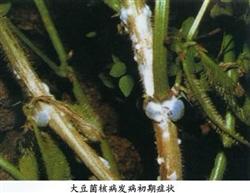
Occurrence Patterns and Control Methods of Soybean Sclerotinia Stem Rot
Soybean Sclerotinia stem rot is a common disease on soybean crops, mainly causing stalk rot, with pale white lesions, hollow stems containing black sclerotia, and easy breakage. In the past two years, soybean Sclerotinia stem rot has shown a trend of increasing severity year by year. Causes and characteristics: 1. Large number of sclerotia in the field. The pathogen of soybean Sclerotinia stem rot is a fungus...
-
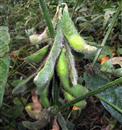
How to prevent and control soybean downy mildew? Detailed explanation of control methods
[Distribution and damage] It occurs in all major soybean-producing areas across the country, and is especially common in the cold-temperate Northeast and North China regions. This disease is caused by infection with the fungus Peronospora manshurica (Naum.) Jyd. et Gaum. It generally reduces yield by 6%-15%, with about 10% of seeds damaged. In addition to harming large...
条件筛选