What damage does the soybean pod borer cause? A detailed explanation of control techniques and methods
The soybean pod borer belongs to the order Lepidoptera, family Tortricidae, and is also known as the soybean pod-boring moth, pod worm, and small red worm. Its larvae bore into soybean pods and feed on the beans, with an annual bean-feeding rate of about 10-20%, up to 30-40% in severe cases and as high as 80% at worst, and it also affects soybean quality and lowers the grade. When the soybean pod borer appears in the field...
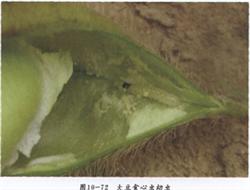
The soybean pod borer belongs to the order Lepidoptera, family Tortricidae, and is also known as the soybean pod-boring moth, pod worm, and small red worm. Its larvae bore into soybean pods and feed on the beans, with an annual bean-feeding rate of about 10-20%, up to 30-40% in severe cases and as high as 80% at worst, and it also affects soybean quality and lowers the grade.
When the soybean pod borer forms clusters in the field, with a relatively large number of moths per cluster and a multiplied increase in numbers, it indicates that the adults have entered the peak period of occurrence, and the following methods should be adopted immediately for control:
First, fumigation with dichlorvos: use 100-150 ml of 80% dichlorvos emulsifiable concentrate per mu, cut sorghum or corn stalks into 20 cm lengths, peel one end, and soak them thoroughly in the chemical to make chemical sticks; insert the unsoaked end of each stick into the soybean field, one row every 5 ridges, with sticks spaced 4-5 m apart.
Second, pyrethroid and similar insecticides can be selected for spray control. Use 20-30 ml of 25% fenvalerate-phoxim emulsifiable concentrate per mu or 20 ml of 2.5% beta-cyhalothrin aqueous emulsion, mixed with 30 kg of water for spraying; when spraying, pay attention to the effect of rainy weather on efficacy. To ensure control effectiveness, it is recommended to use a motorized mist sprayer, and the use of highly toxic insecticides such as omethoate, phorate, and methamidophos is prohibited.