-
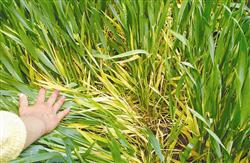
Control methods for common pests and diseases of wheat in spring
Spring is a critical period for wheat growth and also a time when diseases and insect pests occur frequently. Therefore, spring management of wheat should pay attention to the prevention and control of pests and diseases. Below are several common wheat pests and diseases in spring and their control methods: Wheat rust and powdery mildew: in areas where the disease is severe and obvious disease centers have formed, spray pesticide promptly,...
-

What are the common diseases of oilseed rape? Detailed explanation of control methods
Common diseases of oilseed rape and their control
-
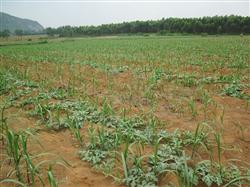
How to control sugarcane pests? New pest control methods are here
1. Reasonably select the plot and good varieties of sugarcane and melon. That is, choose deep soil with good drainage and fertile land for intercropping. For sugarcane, choose varieties that are medium-maturing, high-yielding, high-sugar, and have a high rate of stalk formation; for watermelon, choose varieties that are early-maturing, of good quality, and have a high fruit-setting rate on the first female flowers. 2. Raise seedlings and transplant at the right time. Sugarcane is suitable in early March...
-
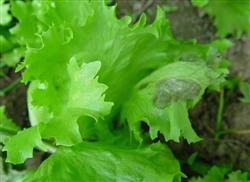
Symptoms, Characteristics and Control Methods of Lettuce Soft Rot
Pathogens Pseudomonas cichorii, P. marginalis, P. viridiflava Symptoms Also known as lettuce Pseudomonas rot or bacterial leaf spot, it is a bacterial disease. Plants in the early head-forming stage are susceptible. First, the leaf margins become water-soaked and gradually change from light brown to dark green, and part of the mesophyll tissue dies...
-
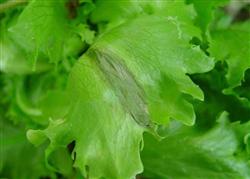
How to prevent and control lettuce soft rot? These methods you need to master
The disease mostly infects from the petioles at the root crown or the base of the roots, initially appearing as water-soaked yellow-brown soft rot with a foul odor. Sometimes soft rot starts from the edges of the outer leaves or the top of the head, and in severe cases the root pith and head rot. The pathogen spreads through watering or insects, invading through wounds and cracks in the plant. The optimum temperature for disease occurrence is 2...
-
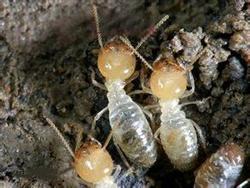
Detailed Explanation of the Harm Caused by Sugarcane Termites and Control Methods
The main sugarcane termites are Odontotermes formosanus and Macrotermes barneyi. Sugarcane is subject to termite damage throughout its entire growth period, with the most severe damage occurring during the germination stage after planting. When attacking seed cane, they mostly invade through the cut ends at both sides, boring into and feeding on the internal tissues of the stem, preventing the seed pieces from sprouting. In the mid-to-late stages, they bore in through the underground cane stem, causing the interior of the stem to become hollow, leaves to turn yellow or tips to dry out, and the entire plant to wither and die.
-
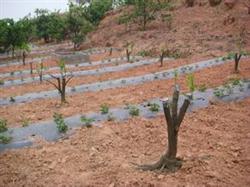
Detailed Explanation of Control Methods for the Three Major Diseases of Navel Orange
When navel orange was top-grafted onto mature Satsuma mandarin trees, the fruiting characteristics appeared normal in the first two years, but thereafter varietal degeneration symptoms appeared year by year: shorter shoots, smaller leaves, lighter leaf color, weaker tree vigor; lower fruiting rate, smaller fruit size, dull and lusterless peel, weaker flavor, and declining fruit quality. In production practice...
-
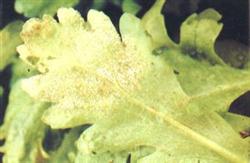
Cultivation Techniques and Pest and Disease Control Methods for Crown Daisy
I. Field Identification: Crown daisy downy mildew can occur from the seedling stage to the adult plant stage. In the early stage, chlorotic yellow spots with indistinct edges appear on the leaves, and the underside of the lesions is densely covered with a white to pale yellowish-white mold layer, and the diseased leaves wither rapidly. As the disease progresses, the upper surface of the diseased leaves in the later stage is also densely covered with a white to pale yellowish-white mold layer. In severe cases...
-
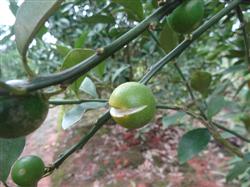
What are the control methods for navel orange fruit cracking?
I. Causes 1. Climate: high temperature and drought in summer damage the peel tissue and cells; excessive rainfall after a long drought causes water uptake, creating excessive turgor pressure that damages the peel; 2. Peel factors: the peel tends toward maturity, the peel becomes thinner, and the flesh becomes softer; sugars in the juice continuously accumulate, accelerating water uptake and increasing turgor pressure; 3. Cultivation...
-
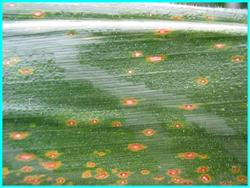
Occurrence Patterns and Control Methods of Curvularia Leaf Spot in Corn
Corn Curvularia leaf spot, also known as yellow spot disease and called yellow leaf disease by farmers, is another important disease of corn in our province in recent years, following large and small spot diseases and rust. After the onset of Curvularia leaf spot, the leaves are covered with lesions, and when they merge, the leaves dry up and die, seriously affecting corn growth and reducing yield. I. Symptoms: ...
条件筛选