Sweet Potato Harvesting Techniques: Master the Correct Method
Sweet potato is a vegetatively propagated nutritional plant with no obvious maturity standard or harvest period, but harvesting early or late affects the yield, seed reservation, storage, processing and utilization, and crop rotation of sweet potato. Harvesting too early will significantly reduce the yield of sweet potato; harvesting too late, sweet potato is often affected by low-temperature chilling injury, not resistant to storage, and the dry-slicing rate declines.
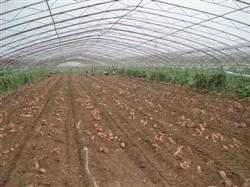
Sweet potato is a vegetatively propagated nutritional plant with no obvious maturity standard or harvest period, but harvesting early or late affects the yield, seed reservation, storage, processing and utilization, and crop rotation of sweet potato. Harvesting too early will significantly reduce the yield of sweet potato; harvesting too late, sweet potato is often affected by low-temperature chilling injury, not resistant to storage, and the dry-slicing rate declines.
The suitable harvest time for sweet potato should be determined according to climate conditions, safe storage time, and the arrangement of the following crop. When the ground temperature is around 18°C, the weight increase of sweet potato is very small; when the ground temperature is around 15°C, the sweet potato stops expanding; when the ground temperature stays below 9°C for a long time, chilling injury will occur. Therefore, harvesting of sweet potato generally begins when the ground temperature is 18°C, and is completed before the killing frost. Spring sweet potatoes used for drying slices or those followed by winter wheat are generally harvested before Cold Dew; summer sweet potatoes used for seed reservation are harvested before Frost's Descent; sweet potatoes for storage and eating are harvested a little later, but must be fully harvested before the killing frost.
Soil that is too dry or too wet is unfavorable for sweet potato harvesting. If too dry, the soil water content decreases, the ground temperature varies greatly, sweet potatoes are prone to chilling injury, and it is not easy to dig them out. If too wet, the soil water content is too high, sweet potatoes are not only difficult to dig out, but also have a high water content and are not resistant to storage after harvest. When the soil is too wet, the sweet potato vines should first be cut off and dried for a few days, and then harvested after the soil is slightly dry.
Summer sweet potatoes used for seed reservation should preferably be harvested on a sunny morning, dried in the field for a while, and put into the cellar that afternoon; do not leave them in the field overnight to avoid chilling injury.
After sweet potatoes are harvested, the tubers can be selected in the field, removing diseased, damaged, and water-soaked tubers, and stored separately according to different uses and varieties. From harvesting to storage, the number of times of turning over should be minimized, and care should be taken to handle, place, load, and transport them gently to avoid bruising the tuber skin.