-
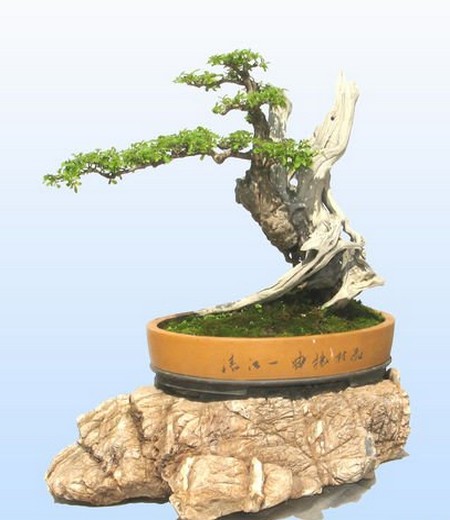
Detailed Guide to the Methods and Steps for Making a Vitex Bonsai
Vitex negundo, a deciduous shrub or small tree, belongs to the genus Vitex in the family Verbenaceae. The genus contains about 200 species, and Vitex negundo var. cannabifolia is one of them. Vitex negundo var. cannabifolia is an excellent tree species for making and cultivating bonsai. Vitex negundo can be made into many forms of stump bonsai.
-
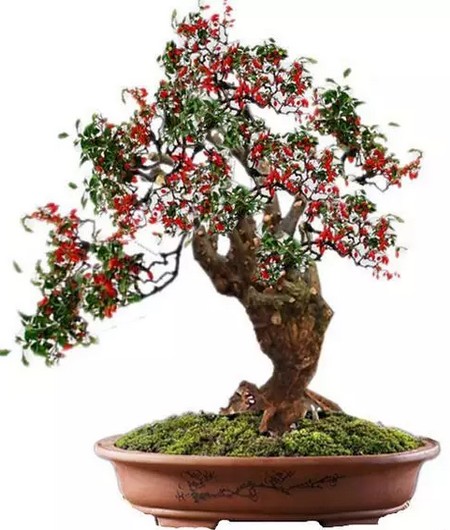
Detailed Explanation of the Methods and Techniques for Making a Goji Berry Bonsai
Spring, a season when all things revive, is when people want to grow a few pots of flowers, both to beautify the home and to cultivate their character. Bonsai is the cream of the crop among them, but the price is naturally not cheap. Have you ever thought of making a bonsai yourself? Goji berry is a specialty of Ningxia, and in ancient times it was even one of the Eighteen Scholars of bonsai.
-
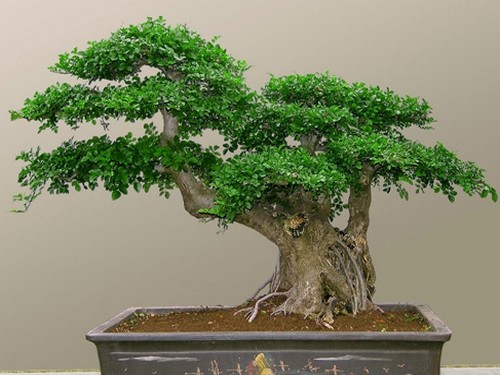
Detailed Guide to the Key Points and Precautions for Making Chinese Bonsai with Chinese Ash
As an ornamental and precious plant, Chinese ash (Fraxinus hupehensis) is the only rare tree species remaining in the world today, known as a living fossil. Key points for making bonsai: 1. Collection: same as usual. 2. Trunk preparation: complete trunk preparation in one go, trim the branch ends, root ends and wounds smooth, and seal them. Soak with disinfectant and rooting agent for 10-15 hours
-
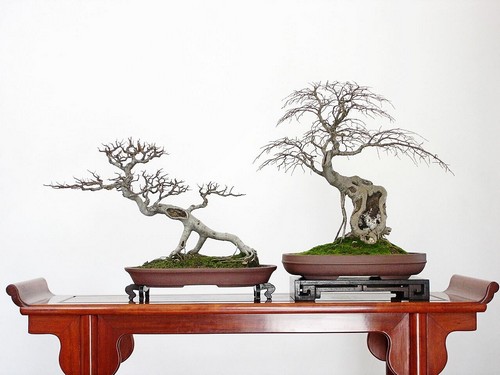
Detailed Guide to Making a Chinese Hackberry Bonsai, Easy to Understand at a Glance
Chinese hackberry (Celtis sinensis) is produced in the Huai River basin and south of the Qinling Mountains, extending south to Guangdong, Guangxi and other provinces and regions, and is a subtropical tree species. It mostly grows scattered in plains and low mountain areas. It likes light and is suited to a warm, humid climate, and thrives in fertile, flat land. It is not demanding about soil, has a certain tolerance for drought, and also tolerates waterlogging and poor, thin soil, with strong adaptability.
-
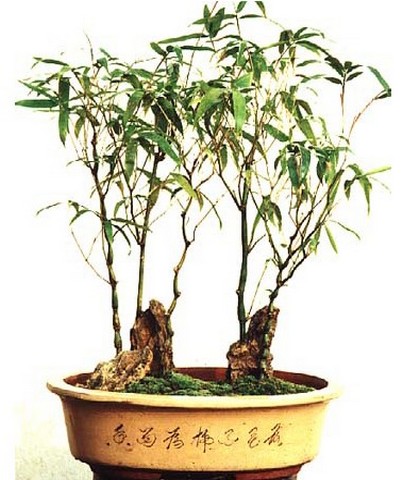
A Detailed Guide to Making a Buddha Belly Bamboo Bonsai
Since ancient times, scholars and refined gentlemen have loved bamboo, regarding it as having the bearing of an elegant gentleman. Indeed, its features of being sturdy and upright, handsome and graceful, not withering through frost and snow, and staying evergreen through all four seasons are truly extraordinary. If you also love bamboo but do not have a rural bamboo grove surrounding you, then make it into a bonsai and invite it into your home. At this point
-
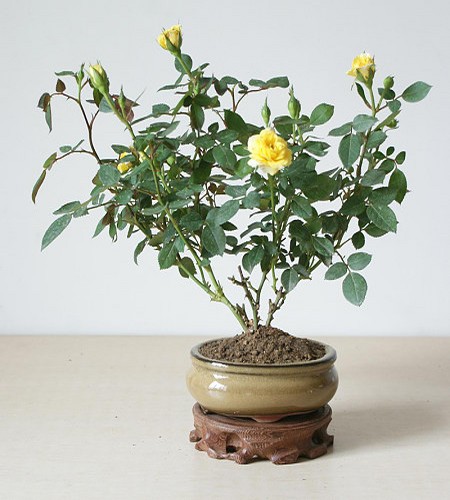
Detailed Guide to the Methods and Steps for Making Rose Bonsai
Roses have long enjoyed the reputation of being the queen of flowers, with their brilliant and colorful blooms and graceful bearing. Besides being grown in pots, planted in the ground for ornamental viewing, and used as cut flowers, they can also be made into bonsai. The roots and trunks of roses are vigorous and quaintly aged. In early spring, the whole tree is covered with new buds and tender leaves, either red or green, fresh and pleasant, giving a sense of vitality; from late spring to autumn, the branches are full of flowers
-
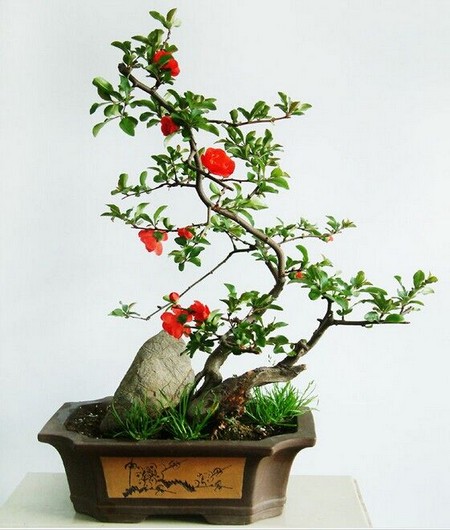
Detailed Guide to Making Miniature Camellia Bonsai
Placing a few pots of camellias in a room can make the environment more elegant and add interest to daily life. If potted camellias are shaped and planted in a suitable pot to make a bonsai, their ornamental value is even higher. When making camellia bonsai at home, the plants should not be too large; it is better to make miniature bonsai and small to medium-sized bonsai.
-
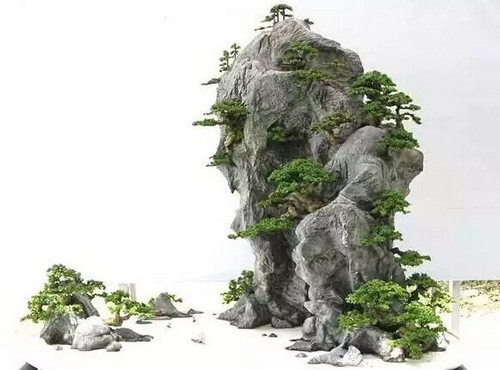
A detailed guide to making landscape rock bonsai: easily create a stunning bonsai
Landscape rock bonsai is a three-dimensional painting. Through the author's artistic processing and the magical technique of moving heaven and shrinking earth, the beauty of nature is reproduced in a tiny pot through the forms of mountain bodies, plants, and accessory arrangements. And the rockery is the main body of landscape rock bonsai, and only when the making of the rockery is completed
-
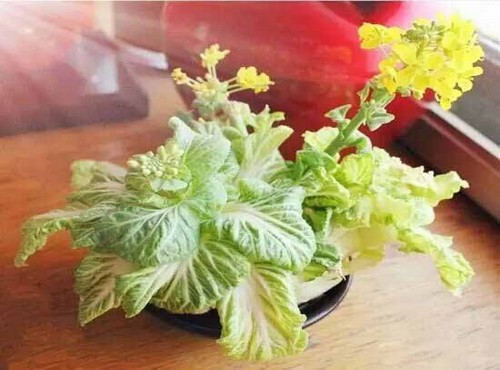
Detailed Guide to Making Hydroponic Napa Cabbage Bonsai
Container: bowl, dish, transparent containers are best! Hydroponic time: around Spring Festival (late January to early March) Method: trim the base of the napa cabbage flat, place it directly flat in the container, add an appropriate amount of water and that's it! Care method: 1. Place on a sunny windowsill or balcony! Change the water every 2~5 days
-
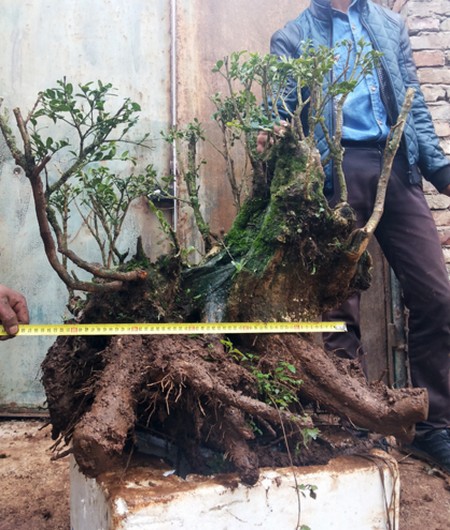
What are the precautions for making bonsai from mountain-collected stumps?
What does "mountain-collected stump" mean? It refers to a plant that originally grew on a mountain being transplanted by humans into a similar artificial environment. So what should be noted during the process of making bonsai from mountain-collected stumps? Precautions for making bonsai from mountain-collected stumps: 1. Do not collect stumps blindly. Many people always want to own many bonsai so they can enjoy them at any time,
条件筛选