-
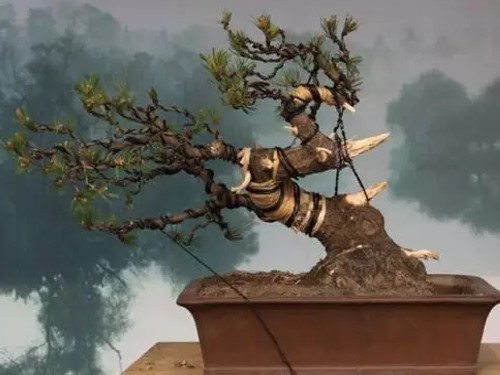
A detailed guide to bending techniques in bonsai shaping: making branch bending and setting easier
Bending branches and trunks has always been one of the key techniques to master in bonsai shaping, and the quality of a bonsai's framework determines its value in the vast majority of cases; as an important means of shaping the bonsai framework, bending also reflects the depth of one's bonsai-making skill
-
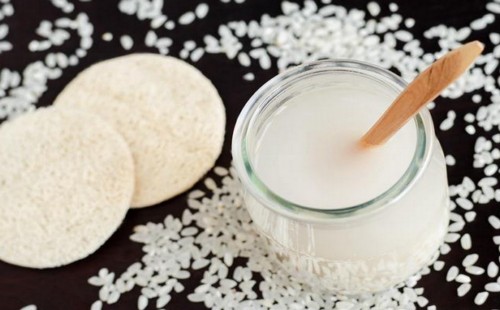
Detailed Method for Making Homemade Nutrient Solution for Hydroponic Pothos
Pothos can be grown not only in soil but also hydroponically. Hydroponic pothos usually requires regular water changes, combined with adding nutrient solution drop by drop. After all, pothos is an evergreen plant with large leaves, its stems and branches can grow very long, and it grows very quickly. To make it fill out a pot rapidly, it often needs a large supply of nutrients as support.
-
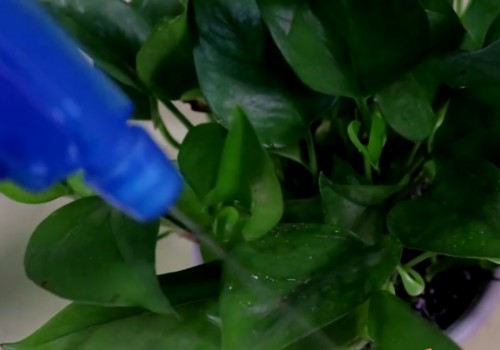
A Detailed Guide to Making Homemade Nutrient Solution for Hydroponic Pothos
Many plant lovers enjoy keeping a few potted green plants at home, and whether for practicality or ornamental value, pothos (Epipremnum aureum) is usually the first choice. Although it is generally seen as a very easy plant to grow, some plant lovers still cannot get it to thrive. Perhaps the poor growth of the pothos is due to a lack of nutrients.
-
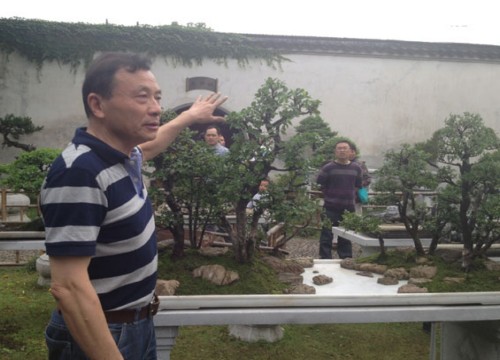
Detailed Explanation of the Methods and Techniques for Making Water-and-Land Penjing
Water-and-land penjing is a type of penjing created using stone, soil, water and plants as materials. It can display natural scenery. The making of water-and-land penjing generally falls into three steps: 1. Water-and-land: use cement and glue to fix the already conceived and processed rocks in the pot, separating the water surface from the dry land, and it must not seep water. The layout is free
-
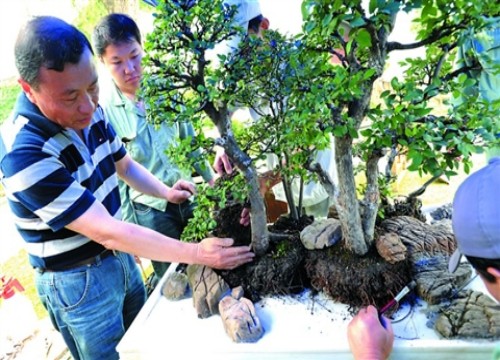
Detailed step-by-step guide to making a water-and-land bonsai, easy for beginners to learn
Water-and-land bonsai is rich in painterly charm, blending scenery and emotion, appealing to both refined and popular tastes, and is a form loved by the broad masses. Making a water-and-land bonsai requires not only the basic skills for working with tree bonsai, but also experience in making landscape bonsai, and demands that the creator have a high level of cultural and artistic cultivation. Only with hills and valleys in the heart, an eye for beauty
-
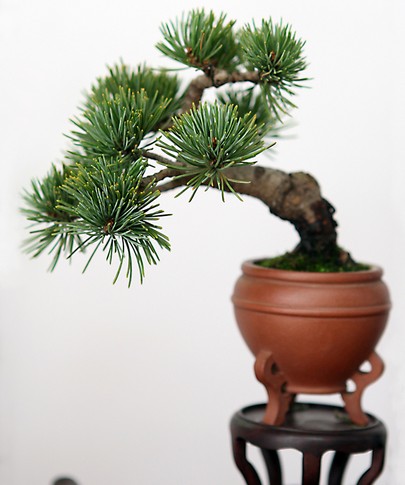
Material selection methods and techniques for making miniature bonsai
Miniature and small bonsai belong to the small-size category among bonsai artworks, with miniature bonsai being the smallest, generally under 10 cm, known as palm-top bonsai; small bonsai are 11 cm to 40 cm (Note: in this book, the first dimension given for a work is height, and the second is width). Precisely because they are known for being tiny, viewing the large within the small, and being small and exquisite
-
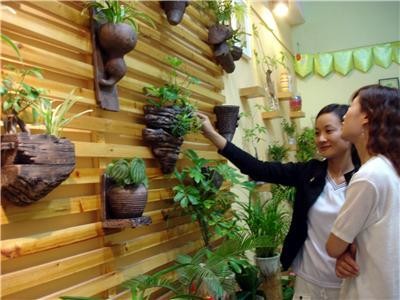
Detailed Guide to Making Wall-Mounted Landscape Bonsai
A wall-mounted landscape bonsai generally uses a marble slab or porcelain plate as the backing board (the backing board may have a frame or be frameless), with carefully selected and processed rocks pasted onto the board surface to create a poetic and picturesque landscape scene. The rocks commonly used include Yingde stone, sandy accumulative stone, stalactite stone, etc.
-
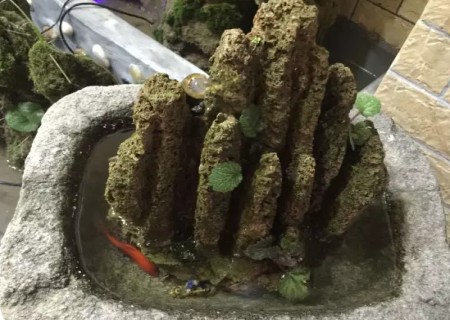
A Detailed Guide to Making Upward-Watering Stone Bonsai
Upward-watering stone bonsai is mainly a beautiful landscape formed by combining rocks with plants. It is further refined on the basis of landscape bonsai. There are many materials for making upward-watering stone bonsai, most of which are obtained from nature, so the finished bonsai has a more natural character. So, how do you make an upward-watering stone bonsai?
-
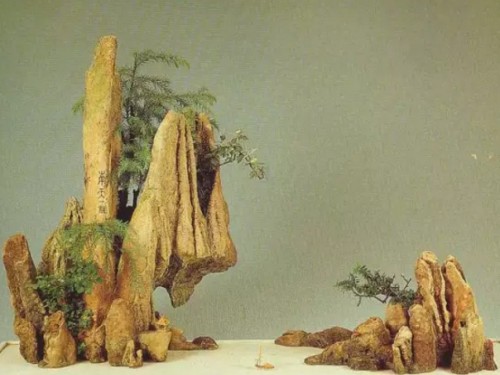
A Complete Guide to the Techniques of Making Water-absorbing Stone Bonsai
What is water-absorbing stone? Water-absorbing stone is also called absorbent stone (a natural air purifier). It gets this name because once water is stored in the basin, it can be drawn up to the top in an instant. Wild grasses and mosses can be planted on the stone, lush and verdant, making it an excellent material for bonsai. Probably only gardening experts know what water-absorbing stone is.
-
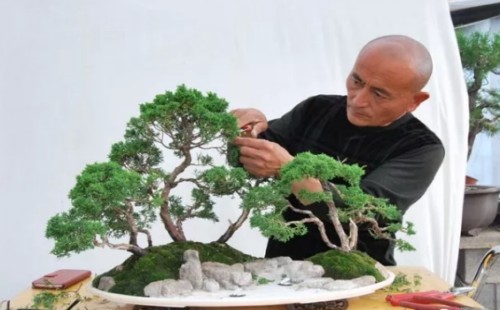
Detailed Explanation of the Basic Steps for Making a Water-and-Land Bonsai
Bonsai is not only an art but can also be understood as a kind of artwork, and the water-and-land bonsai is one of its important forms of expression. The water-and-land bonsai is mostly a bonsai display created by combining trees and rocks; its thematic expression is relatively broad, and its landscaping is rich, allowing it to perfectly present the feeling of nature.
条件筛选