-
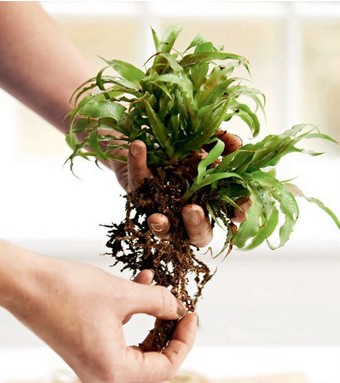
Moss Ball Bonsai Making Method and Detailed Steps
Kokedama is both a plant and a planting method. It originated in the Edo period of Japan and is one of the forms of Japanese bonsai, with a very long history. The distinguishing feature of kokedama bonsai is that no hard materials are used when shaping it; instead, only the plant's roots are wrapped in soil to form a round ball, and then moss is applied to the outside.
-
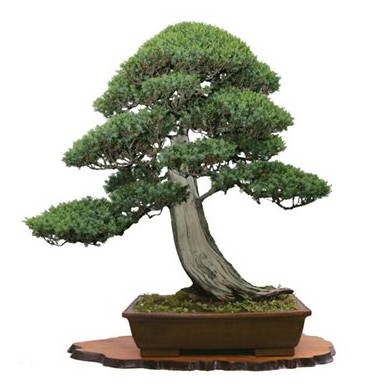
Detailed Guide to Making a Water Poplar Bonsai, Beginners Can Learn It Too
Water poplar (Adina rubella), a deciduous small shrub in the family Rubiaceae. It prefers high temperatures and fears cold, is not afraid of waterlogging, has strong sprouting ability, dense branches, small leaves shaped like willow leaves, and dark green foliage. Its trunk is smooth and slightly yellow-white, with a well-developed root system and soft branches that are easy to wire and bend, giving it a graceful tree form. It is mainly distributed in the middle and lower reaches of the Yangtze River basin, and can be found along rivers, lakes, and streams.
-
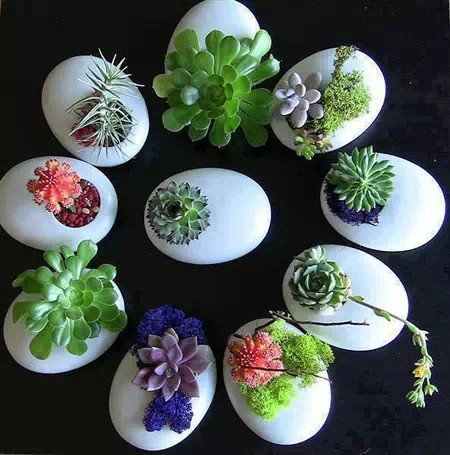
A practical method for making miniature landscapes in eggshells, simple and easy to learn
Making panoramic sugar eggs is a Western Easter custom, referring to small miniature landscapes made inside eggshells using sugar and other materials. Inspired by traditional sugar eggs, we thought it would be fun to make our own plant miniature landscape with flowers and plants. So we dug out a small electric saw and prepared to carve on eggs.
-
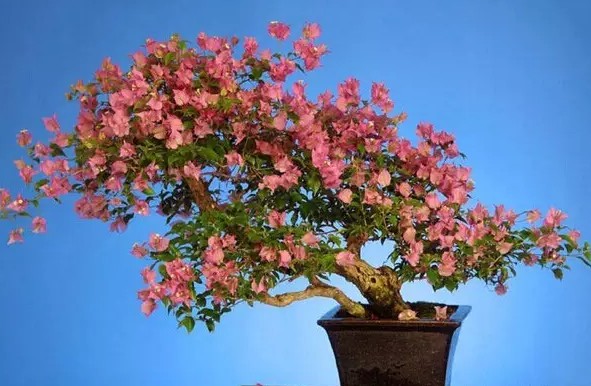
A detailed guide to making bougainvillea bonsai, step by step
Making bougainvillea bonsai is relatively easy. Depending on the condition of the potted plant, it can be trained into different styles such as single-trunk, double-trunk, slanting-trunk, curved-trunk, lying-trunk, water-and-land, waterside, cascade, pagoda, and flower-basket styles. The shaping method is mainly pruning, with tying and binding as a supplement
-
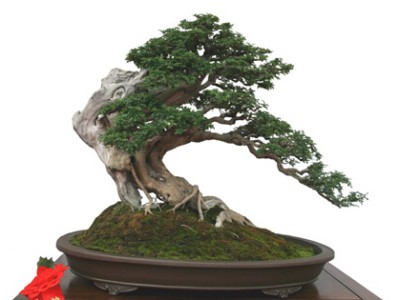
Detailed Explanation of the Methods and Steps for Making Juniper Bonsai
Juniper, also known by people as Chinese juniper, is an evergreen tree of the Cupressaceae family. Because it can be enjoyed in all four seasons, it has relatively high ornamental value and is also widely used in landscape design, making it a tree species deeply loved by people. Although its landscape application is the most common way it is used
-
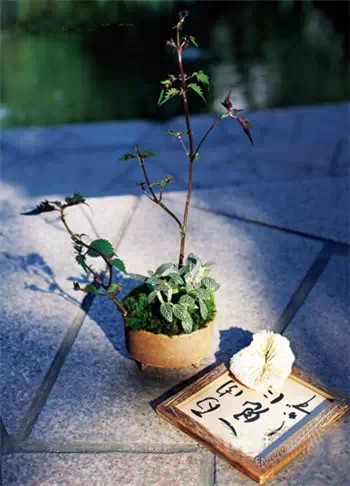
Detailed Guide to the Craft of Making a Pastoral Dream-Themed Bonsai
People who have lived in the city for a long time all have a pastoral dream. They dream of having two mu of idle farmland, with a small flower garden in the field, and a pavilion made of branches covered with morning glories. Growing their own vegetables and flowers, working at sunrise and resting at sunset - such a scene seems to have nothing to do with urban life
-
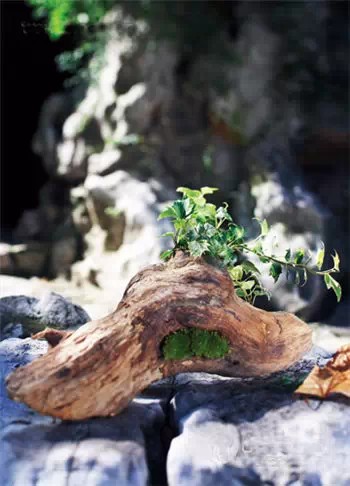
Detailed Tutorial on Making a "Dead Wood Comes Back to Life" Theme Bonsai
"Dead wood comes back to life" originally means that a tree that seems long dead regains its vitality in spring, sprouting green leaves and red flowers. Some thoughtful people have turned dead wood into a natural flower vessel, planting various plants in it to create another scene of dead wood coming back to life, full of vitality. The tree root itself is a container? Not only a home for moss
-
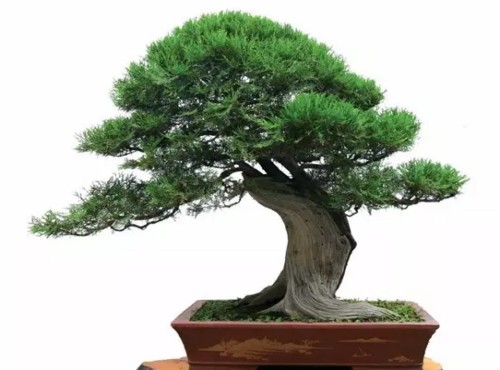
Detailed guide to making Chinese arborvitae (Platycladus orientalis) bonsai, shaping it step by step
Chinese arborvitae (Platycladus orientalis), of the cypress family and the genus Platycladus. It is vigorous and not particular about soil, but grows slowly and lives extremely long; ancient trees over a thousand years old can be seen everywhere. Chinese arborvitae bonsai has high ornamental value; to maintain its graceful posture, you must spray when watering. Rinse the dust and dirt off its leaves, branches and trunk, and the surface of the pot, which helps with light exposure
-
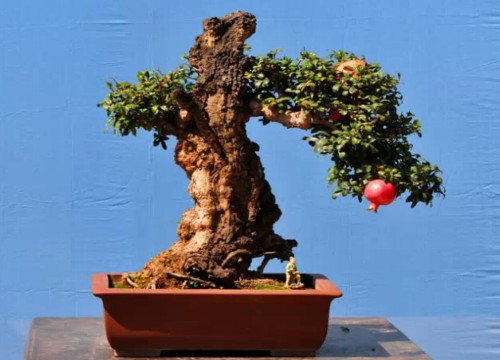
Detailed explanation of pomegranate bonsai making techniques, step by step teaching you how to do it
The pomegranate is a deciduous tree or shrub of the genus Punica in the family Lythraceae. It blooms in summer, with large and brightly colored flowers and a long flowering period, making it a relatively good tree species for viewing flowers, fruits, leaves, and form. There are many pomegranate varieties, mainly divided into fruit pomegranates grown mainly for fruit and flowering pomegranates grown mainly for flowers. Pomegranates like warmth and sunlight, are cold-resistant and drought-resistant, and are not tolerant of waterlogging.
-
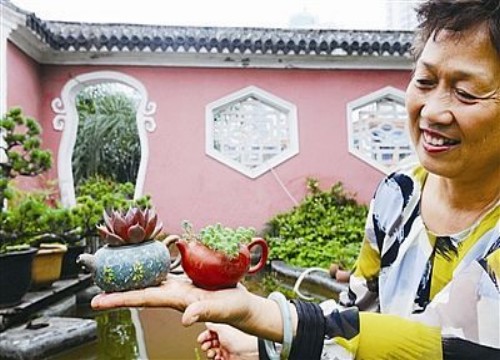
Detailed Guide to Making Bonsai in Zisha Teapots
Miniature bonsai, as the name suggests, must be small yet not lacking in artistry. At Hongxin Garden in Liming Industrial Zone, the reporter saw that inside small zisha teapots, seedlings of various shapes such as Bolan, red sandalwood, and black pine are uniquely styled with staggered layers, very suitable for placing on desks, bookshelves, balconies, tea rooms, and other places.
条件筛选