-
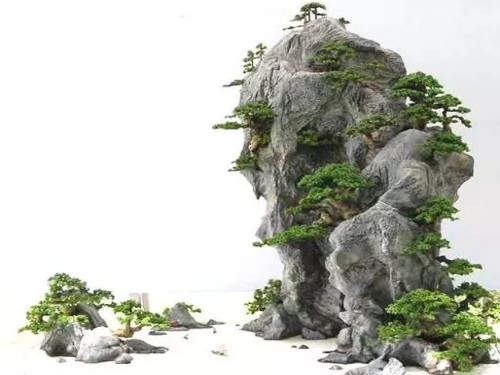
Detailed Explanation and Key Points of the Art of Making Landscape Bonsai
To make a landscape bonsai, you must first carry out an artistic conception and determine the theme, then, according to the natural character of the rock, select all or part of the stone material suitable for shaping, and use plants and necessary accessories for artificial carving to configure a rockery. Natural scenery such as strange peaks and grotesque ridges, high gorges with flying mist, a hundred barriers and a thousand peaks, and secluded caves with wondrous views
-
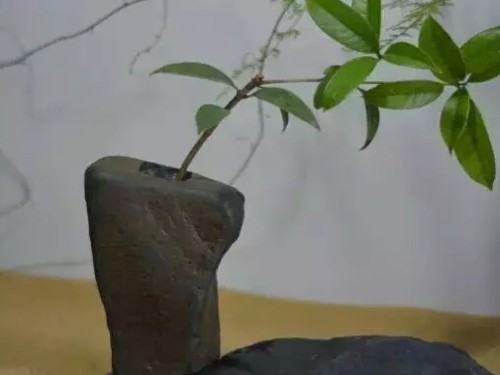
A detailed guide to making stone bonsai, easy for beginners to learn too
Although green plant bonsai are merely an accent, they complement elegant stones so well, just as naturally as wildflowers and grasses growing at the foot of a mountain or beside a stream. They not only retain a natural feel but also add a touch of elegance and refinement; without the mess and disorder of wild growth, they are even more pleasing to the eye. Stone bonsai
-
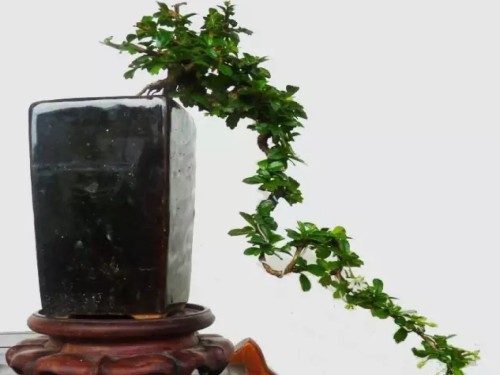
A Complete Guide to the Key Techniques for Making Fujian Tea Bonsai
Fujian Tea, also known as Jijishu or Maozaishu, is an evergreen shrub in the Boraginaceae family. Its leaves are small, oblong-elliptical, deep green and glossy. In spring and summer it bears small white flowers, and its drupe is spherical, initially green then turning red. Its trunk is rugged and gnarled, full of twisted grace, with an elegant tree form, making it one of the 4 major Lingnan bonsai tree species.
-
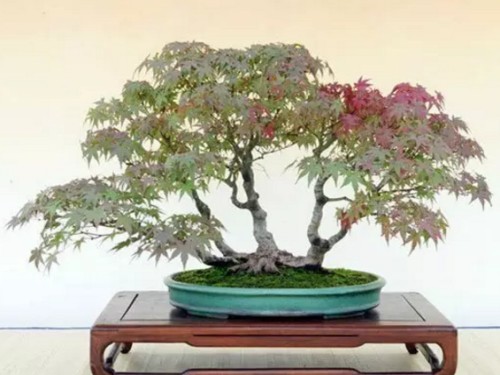
A detailed guide to making maple bonsai, easy for beginners to learn
Maple trees are widely found in the wild, and for making bonsai, old stumps or young trees are usually dug up from the mountains and wilds. Maple's new branches are long and flexible, and can be wired into various styles of bonsai. Common ones include the straight-trunk style, slanting-trunk style, curved-trunk style, double-trunk style, and waterside style. Maple styling is mainly based on pruning, with wiring as a supplement. Maple leaves are relatively large
-
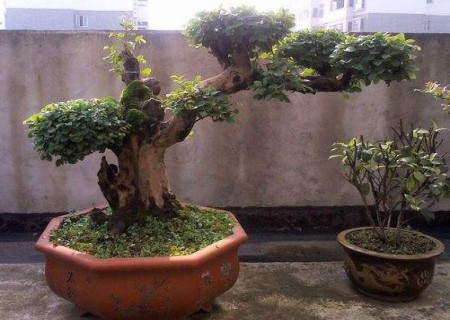
A detailed guide to making Chinese fringetree bonsai, beginners can easily learn it too
Chinese fringetree bonsai is mainly based on red-flowered Chinese fringetree and white-flowered Chinese fringetree. When sunlight shines on the back of the Chinese fringetree leaves, a wonderful little world immediately lights up. The leaves of Chinese fringetree are like peach blossoms in spring, giving people a sense of vitality; and they are also as elegant and unrestrained as lotus flowers in summer
-
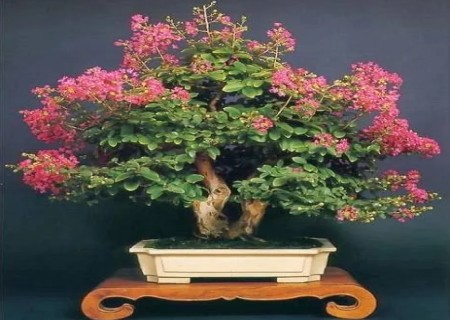
A Complete Guide to the Techniques for Making Crape Myrtle Stump Bonsai
There are quite a few species of crape myrtle (Lagerstroemia indica), and their forms vary greatly. More importantly, they change into different postures and colors with the seasons, making them a very beautiful type of tree. In addition, crape myrtle has thick, sturdy branches and trunks, fine leaves and dense twigs, and exposed roots and stems, making it easy to train and bend. Using it to make bonsai gives it very high ornamental value.
-
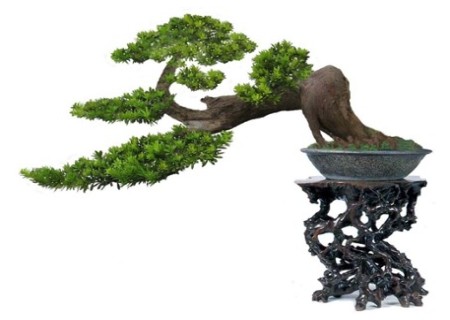
A Complete Guide to the Techniques of Making Podocarpus Bonsai
Bonsai is an important element in beautifying the home environment, and the upright posture and smooth lines of pine bonsai undoubtedly give people an enjoyment of beauty. The old trunks of pine trees, majestic and ancient, with their magnificent momentum and indomitable spirit, give people positive motivation to move forward. Especially when set off by rocks, they are even more verdant and extraordinarily imposing.
-
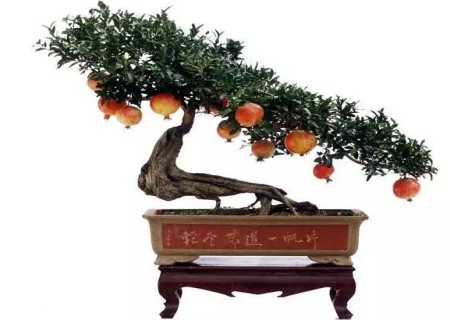
A Detailed Guide to the Techniques and Methods for Making Pomegranate Bonsai
Pomegranate bonsai has high ornamental value and broad market prospects, attracting attention with its rugged, towering form. Pomegranate bonsai can be created in ornamental forms such as fruit viewing, branch viewing, leaf viewing, and flower viewing. Its trunk is vigorous and powerful, the overall appearance is simple and dignified, and its flowers are brightly colored and its fruit is fresh and beautiful, making it deeply loved by bonsai enthusiasts. So
-
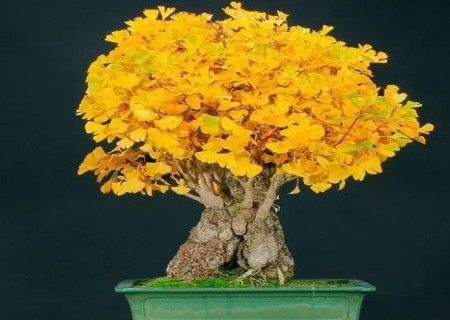
Detailed Guide to the Methods and Steps for Making a Ginkgo Bonsai
Summer has arrived, and the ginkgo shows a lush green, offering high ornamental value, so people past and present, in China and abroad, often use ginkgo in courtyards, as street trees, or in landscaping. But what the editor wants to tell you today is that ginkgo leaves can actually be made into bonsai
-
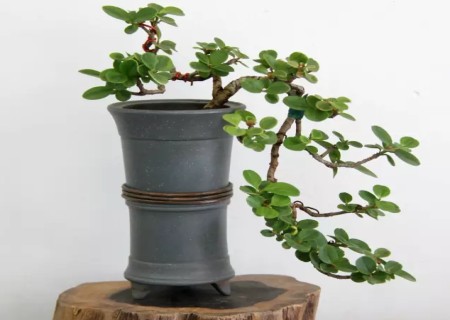
A Detailed Guide to Boxwood Bonsai Making Techniques and Methods
Boxwood, also known as Chinese boxwood or pearl boxwood, has a graceful tree form, thick and glossy leaves, and most importantly, it stays evergreen all year round and can be enjoyed throughout the year, making it a precious material for bonsai. It can be made into fine bonsai works for people to admire. If you collect old boxwood stumps from the wild to create bonsai
条件筛选