-
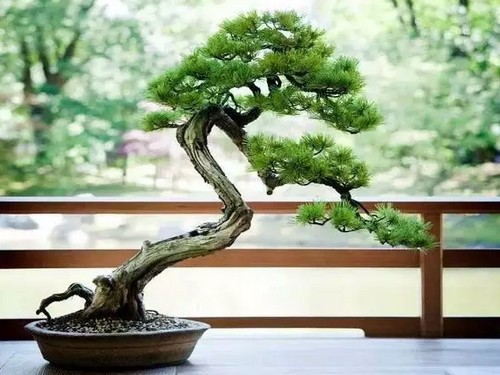
Detailed Guide to the Methods and Steps for Making Pine Bonsai
Among the arts, bonsai is one of the finest examples of Eastern art rich in natural charm, and it is also a unique traditional art of our country. Through artificial techniques, people take trees from nature through cultivation, pruning, wiring, shaping and other processing, carefully nurture them, and then combine this with our artistic methods to truly make them into elegant, extraordinary
-
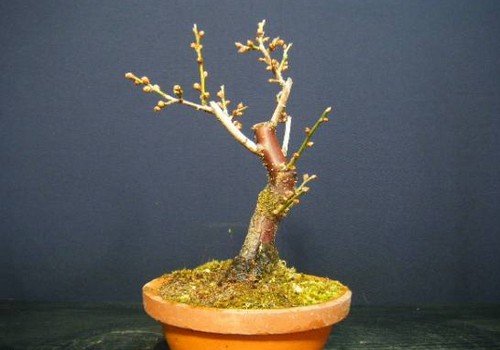
Detailed guide to making a five-color lantana bonsai, beginners can easily learn it too
The five-color lantana used for making bonsai can be propagated by cuttings, generally carried out in the growing season. Cut robust one-year-old branches, one section every two nodes, insert them in sandy soil or vermiculite, and keep them under a shade shed, maintaining soil and air moisture. They root in about 40 to 50 days, and can then be divided and potted up
-

Detailed Guide to Making a Red Leaf Barberry Bonsai
Red leaf barberry is a deciduous shrub with red-brown branches and leaves. It likes light and tolerates shade, is not demanding about soil, has strong sprouting ability, and tolerates pruning. It is one of the greening tree species in northern China. In gardens it is often used with evergreen tree species for block color arrangements, and can be used to arrange flower beds and flower borders. It is an important tree species for color block combinations in landscape greening.
-
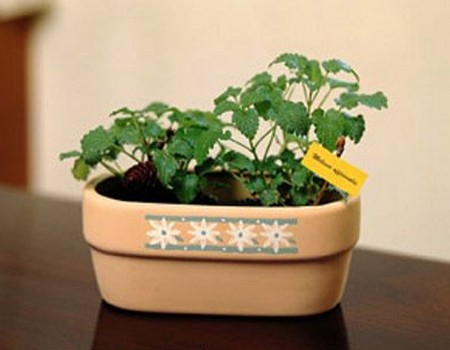
Detailed Guide to Making a Broadleaf Mahonia Bonsai
There are many varieties of broadleaf mahonia (Mahonia bealei). Common ones include the dense-spined broadleaf mahonia, whose leaf margins have denser spines, and the spineless broadleaf mahonia, whose leaf margins have no spines; these varieties are also often used to make bonsai. Mahonia has clustered stems, spreading branches and leaves, varied leaf shapes, and stays evergreen all year round. Especially when the old leaves turn orange-red alongside the newly sprouted emerald leaves,
-
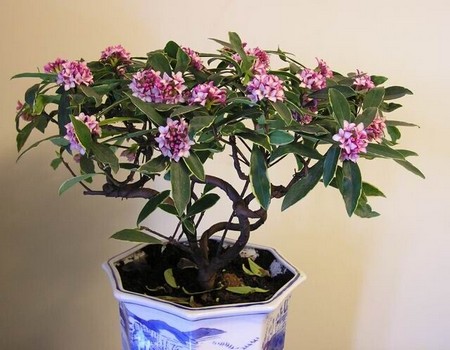
A Detailed Guide to Making a Golden-edged Daphne Bonsai
The daphne's branches spread gracefully, with soft twigs and thick leaves, elegant and beautiful in posture. Golden-edged daphne (Daphne odora 'Aureomarginata') belongs to the Thymelaeaceae family, genus Daphne, and is an evergreen small shrub, a variety of daphne. At any time, planting plants is a technical skill that tests a person, requiring not only knowledge but also plenty of patience and care.
-
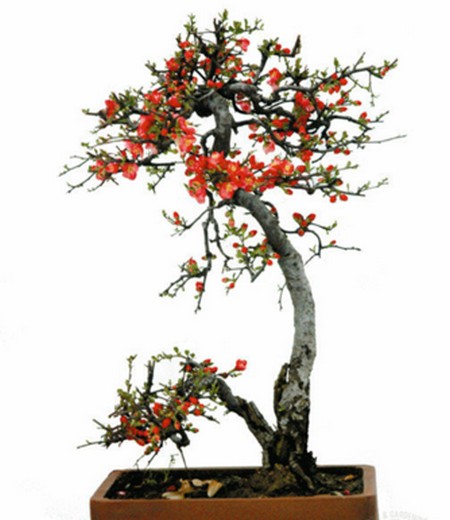
Detailed Guide to Making a Begonia (Malus spectabilis) Bonsai
Malus spectabilis (Chinese crabapple) likes light, is cold-resistant and drought-tolerant, and dislikes waterlogging. It grows well in the dry regions of northern China. It is generally grown in the ground, but can also be made into stump bonsai for container cultivation. The best planting time is before bud break in early spring or after leaf fall in early winter. When lifting nursery stock, keeping the root system intact is one of the keys to successful planting.
-
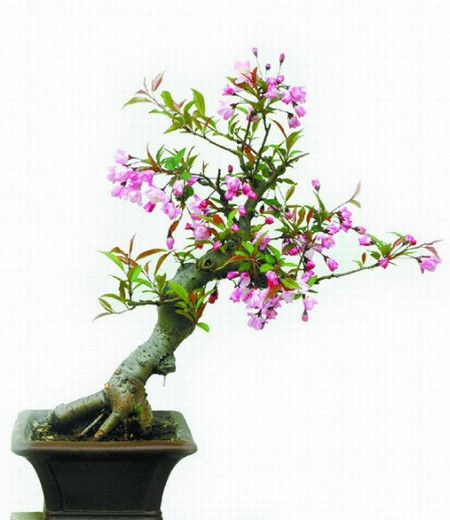
Detailed Guide to Making a Malus halliana Bonsai
Malus halliana (hall crabapple) has brilliantly colored flowers and graceful blossoms, blooming after plum blossoms. Its red and pink flowers are lush and beautiful, especially the deep red buds just about to open, hanging on thread-like pedicels and swaying in the wind, elegant and charming. The petals are rose red, each delicate and vividly colored, making it a beloved woody flowering plant for courtyards.
-
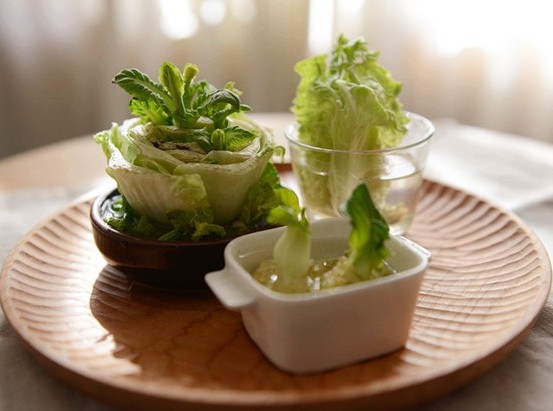
A detailed guide to making vegetable bonsai: almost any vegetable can be used
Potted vegetables have strong ornamental and practical value, and can be used as miniature bonsai to decorate a room, courtyard, or balcony. Potted vegetables are easy to source, easy to grow, and easy to keep alive. They are generally grown from seeds, root tubers, tubers, or fresh stems, are not limited by region or season, and can be planted again and again with fresh results.
-
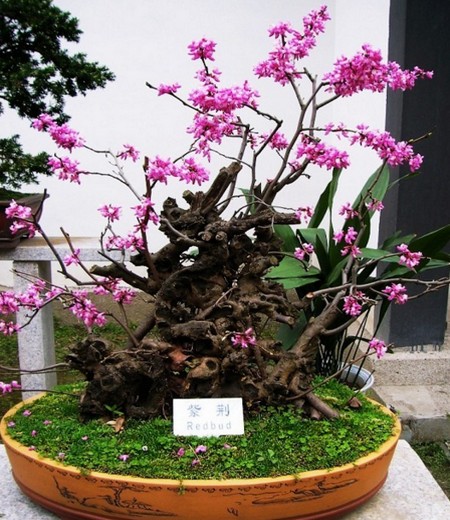
Detailed Explanation of the Method for Making a Redbud Bonsai
The redbud's purplish-red flowers bloom in spring before the leaves, with a butterfly-like shape; when in full bloom they are densely packed, clinging close to the branches, until the whole tree is covered in flowers. Not only can flowers appear on the branches, but the old trunk, and even the trunk close to the roots, can also bloom. After the leaves fall in winter, the frame of the branches and trunk is fully revealed, and a sense of rugged, twisting strength springs before the eyes. Using it to make a bonsai
-
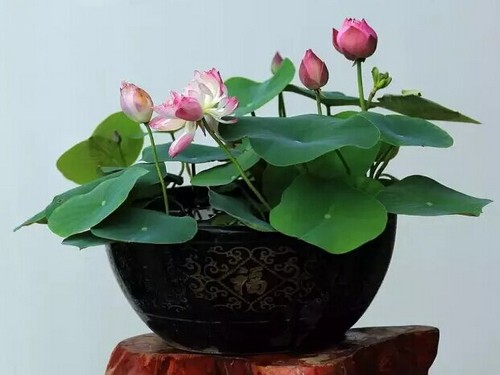
Detailed explanation of the method and steps for making a lotus bonsai
As midsummer arrives, lotuses reach their best viewing period. This year, potted lotus bonsai are also selling briskly on the market, opening up a new path for local farmers to become wealthy. It is reported that lotuses begin to sprout every year after Qingming Festival, bloom in June, and continue until September. Potted lotuses can be used for viewing and the lotus seed pods can also be picked.
条件筛选