-
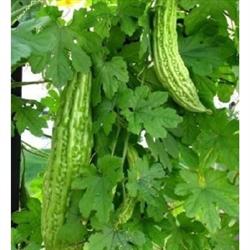
A Complete Guide to Scientific Fertilization Methods for Bitter Melon
High-yield and High-profit Cultivation Techniques for Bitter Melon in Winter-warm Plastic Greenhouses as Protected Cultivation: Choose a winter-warm greenhouse with good lighting and strong insulation as the horticultural facility for off-season bitter melon cultivation. Compared with cucumber, loofah, and zucchini, bitter melon requires relatively higher light intensity and higher temperatures for growth and development, and has poorer tolerance to low temperatures and weak light. Bitter melon...
-
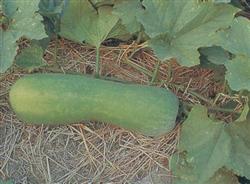
Key Points of Fertilization Management Techniques for High-Quality and High-Yield Winter Melon
In Dongxia Town, Qingzhou City, the overwintering summer melons grown by vegetable farmers are mainly cultivated in a creeping manner, similar to watermelon cultivation, which results in the melon body touching the ground, uneven light exposure on the top and bottom of the winter melon, the part touching the ground turning white or developing yellow-brown necrotic spots, or even rotting, while the upper part of the melon exposed to direct sunlight is prone to sunburn...
-
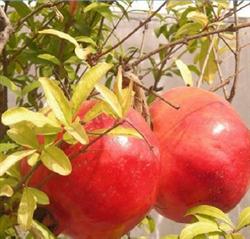
A Complete Analysis of the Key Points of Pollution-Free Pomegranate Fertilization Technology
1. Five major advantages of developing pomegranate production. (1) Strong adaptability and a wide cultivation range; it can be cultivated in mountainous areas, hills, or flat sandy land. (2) Propagation and cultivation are simple and labor-saving; seedlings can be raised by cuttings or layering and root very easily; the fruit rind is hard and thick, there are fewer pests and diseases, and bagging for protection is unnecessary. (3) Bearing...
-
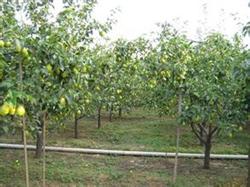
Key Technical Points for High-Yield Fertilization Management of Pear Trees
About one month before pear fruit ripens, the growth rate accelerates, which is called the fruit expansion stage. Topdressing at this time can improve photosynthetic efficiency, promote nutrient accumulation, and benefit fruit expansion and flower bud differentiation. This topdressing can both increase the yield of the current year and lay the foundation for fruiting in the following year. 525 Shandong Fruit Network The fertilization period is generally at the fruit...
-
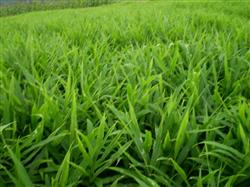
Full-process fertilization technical guide for ginger cultivation
Ginger is an indispensable vegetable variety in daily life. Since this year, supply has been tight, prices have been relatively high, and returns have been good. 1. Plot selection. Ginger should not be grown continuously; it should be rotated with rice, cruciferous vegetables, and leguminous plants. Ginger has a long growth period and is not tolerant of strong light. In the early stage, it can be intercropped with spring-sown crops or vegetables, and in the later stage...
-
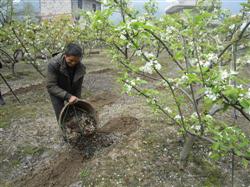
Correct Fertilization Methods and Technical Key Points for Pear Trees
I. Fertilizer amount. Generally speaking, producing 100 kg of pear fruit requires 0.47 kg of pure nitrogen, 0.23 kg of pure phosphorus, and 0.48 kg of pure potassium, with a nitrogen, phosphorus, and potassium ratio of 1:0.5:1. If calculated at a yield of 2500 kg of pears per mu, then each mu requires 11.75 kg of nitrogen, 5.75 kg of phosphorus, and 12 kg of potassium. In actual production, it can be based on...
-
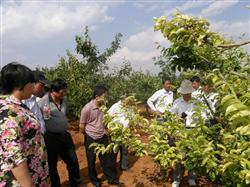
How to prevent and treat pear tree chlorosis? Reasonable fertilization is key
Iron deficiency symptoms in pear trees start from the new shoots, with leaf color changing from pale green to yellow, only the leaf veins remaining green. In severe cases, the entire leaf turns yellow-white, with scorched necrotic spots forming along the leaf margins. Affected new shoots are thin and weak, with elongated internodes and underdeveloped axillary buds. Pear trees can develop this at any stage from seedling to mature tree. The cause of this...
-
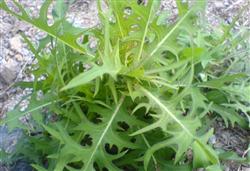
Detailed Explanation of Cultivation Techniques and Comprehensive Utilization Methods of Wild Lettuce
Wild lettuce, also known as mountain lettuce, bitter chicory, and duck feed, is a herbaceous plant of the Asteraceae family, growing by roadsides, in wilderness, and on hillsides. Its seedlings and tender stems and leaves are suitable for eating, and it is a wild vegetable with development value. 1 Botanical characteristics and biological traits: A biennial herbaceous plant, with white milky sap, 80-150 cm tall. Stem erect,...
-
Pepper Fertilization Ratios Matter: The Right Balance Is Key
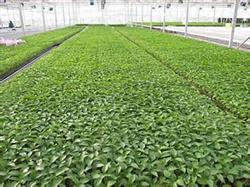
1. Seedbed selection. For raising pepper seedlings, choose loose soil on high, dry ground with good drainage, good ventilation and light, and rich organic matter. The soil should not have grown solanaceous vegetables within 1-2 years to prevent disease transmission. For seedling raising, reserve enough seedbed at a ratio of 1:20. Plow the seedbed soil 1 week before sowing, and apply high-efficiency compound fertilizer per mu...
-
What are the key technical points for skillful fertilization of jujube trees to promote high yields?
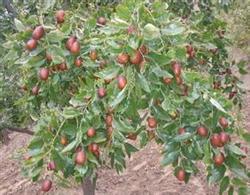
Only through scientific and rational fertilization can jujube trees be strengthened, their resistance to pests and diseases improved, quality enhanced, and yields increased. Fertilization of jujube trees is divided into base fertilizer and topdressing. The scientifically appropriate time for applying base fertilizer is from the jujube fruit ripening stage until the soil thaws the following year, while topdressing is carried out in three applications: before bud break, at the early full-bloom stage, and during the rapid fruit swelling stage...
条件筛选