-
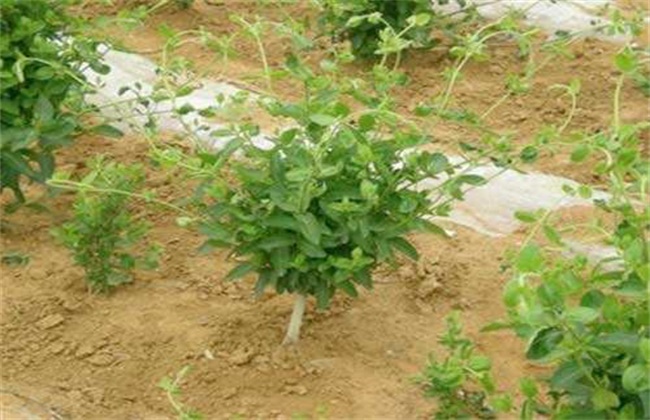
Detailed Explanation of Key Points of High-Yield Fertilization Techniques for Honeysuckle
High-Yield Fertilization Techniques for Honeysuckle
-
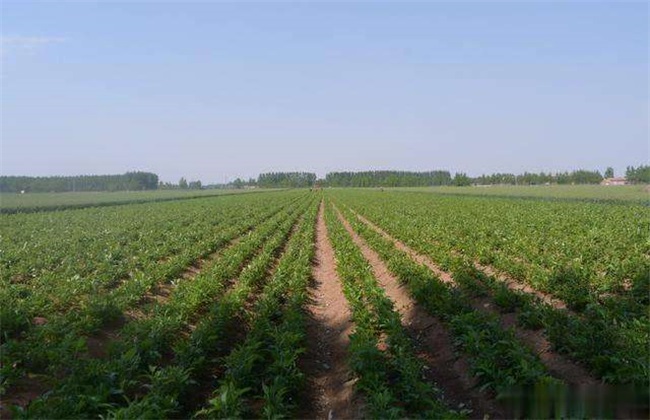
How to fertilize Atractylodes macrocephala? A detailed guide to practical fertilization methods
Fertilization methods for Atractylodes macrocephala
-
-
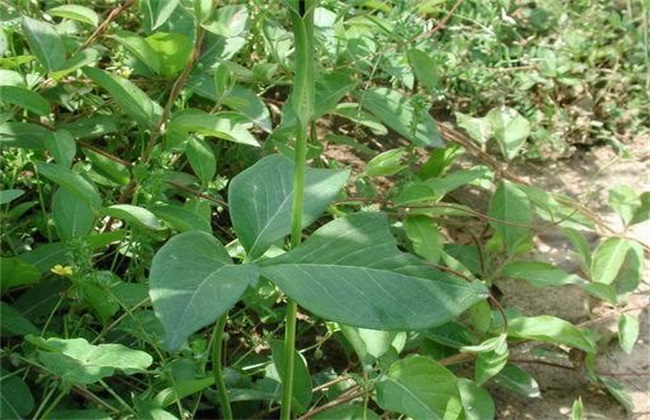
Key Points and Methods of Fertilization Techniques for Pinellia ternata
Fertilization Techniques for Pinellia ternata
-

How to fertilize Panax notoginseng? Fertilization methods and key technical points
Fertilization methods for Panax notoginseng
-

How to Fertilize Sichuan Pepper? Detailed Explanation of the Key Points of Scientific Fertilization Techniques
Fertilization Techniques for Sichuan Pepper
-

How to fertilize Angelica sinensis properly? Master the scientific fertilization method
How to fertilize Angelica sinensis properly
-

Key Field Fertilization Management Techniques for Schisandra chinensis Cultivation
Schisandra chinensis is a medicinal plant with relatively high economic value. Currently, the Schisandra chinensis sold on the market is mainly wild, with very little cultivated artificially. At the same time, the market demand for Schisandra chinensis is very large, and the price is relatively stable. Collecting wild Schisandra chinensis alone is far from enough to meet market demand, so artificial cultivation of Schisandra chinensis is being developed in many regions. Cultivating Schisandra chinensis is different from general field crops, and there are relatively strict requirements for fertilizer use. After transplanting and surviving, the soil for Schisandra chinensis should be kept moist. During drought, irrigation should be done in time. Every year before freezing
-
Fertilization Methods for Gastrodia: Can Diammonium Phosphate, Superphosphate, and Ammonium Nitrate Be Applied?
Yes, they can be applied. This is because all three fertilizers are acidic fertilizers and can increase soil acidity. In terms of their properties, they suit the growth and development requirements of Armillaria mellea and Gastrodia; in terms of composition, all three fertilizers contain phosphorus and nitrogen components; in theory, Armillaria mellea requires a certain amount of phosphorus and nitrogen during its growth and development. During the growth and development of Gastrodia, as it absorbs water from the substrate, it can take up some trace elements and phosphorus along with the water. Therefore, when cultivating Gastrodia, applying an appropriate amount of acidic fertilizer can increase Gastrodia yield. According to Dan Cunzhi and Wang Yingkui, Gastrodia specialists in Wangjiayuan Village, Siping Township, Danfeng County, Shanxi Province
-
Detailed Explanation of Fertilization and Watering Methods and Technical Points for Schisandra chinensis
(1) Watering and Fertilization. Schisandra chinensis (five-flavor berry) prefers fertilizer and needs sufficient water and nutrients during the growing season. After planting and establishment, water frequently to keep the soil moist. Irrigate once before the ground freezes to aid overwintering. During the bud differentiation, flowering and fruiting stages, in addition to sufficient water, large amounts of nutrients are also needed. Apply chemical fertilizer twice a year: the first application during the leaf expansion stage, with quick-acting nitrogen and potassium fertilizer. The second application after the plants flower (mid-growth period, early July), with quick-acting phosphorus and potassium fertilizer. As the plant grows larger, the fertilizer amount increases year by year: ammonium nitrate 25-100 g/plant, superphosphate
条件筛选