-
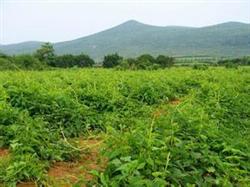
How to Fertilize Chinese Yam? A Detailed Guide to Scientific Fertilization Methods
During the seedling stage and the vine-spreading stage, Chinese yam mainly grows leaves and branches, so fertilizers should be mainly nitrogen-based. After budding, it enters the peak growth stage, the underground tubers begin to expand, and the fertilizer demand is relatively large. This is the key period for fertilization, and nitrogen, phosphorus, and potassium should be applied in combination. I. Base fertilizer. Choose a good field, and before plowing, apply 2000 kg-4000 kg of decomposed farmyard manure and 60 kg-80 kg of compound fertilizer per mu as base fertilizer, then plow the soil 30 cm deep and harrow it fine.
-
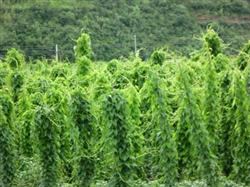
Fertilizing Chinese Yam Requires Care: Analysis of the Characteristics of Two Types of Fertilization
Chinese yam is a crop of the Dioscoreaceae family and a vegetable much loved by people. It not only has high nutritional value and a unique flavor, but can also be used as medicine. Due to increased market demand, the planting area of Chinese yam has continued to expand in recent years. Farmer friends often call the hotline to ask about fertilization issues in the cultivation of Tiegun Chinese yam. Below is a list of the current two...
-
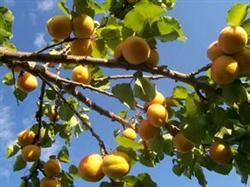
What to do about low fruit set in apricot trees? Reasonable fertilization is key
"Yunda Quanshuguo" is a new special growth promoter that balances the shift from vegetative growth to reproductive growth in fruit trees and fruit vegetables (such as tomatoes, eggplants, cucurbits, etc.). Its main features are: ① No phytotoxicity symptoms, leaving no residue of any kind in the fruit, achieving pollution-free status and making it a green, trusted product. ② Fast flower promotion, able to quickly...
-
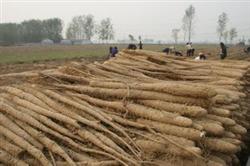
Detailed Explanation of Fertilizer Requirements and Fertilization Techniques for High-Yield Chinese Yam
Fertilizer requirements. Chinese yam has a long growth period and a high fertilizer demand, and it especially favors organic fertilizers with long-lasting effects. Because tuber formation is accompanied by the accumulation of substances such as starch, the demand for phosphorus and potassium is relatively large. In the early growth stage of Chinese yam, because temperatures are low and organic nutrients are released slowly, an appropriate amount of quick-acting nitrogen fertilizer should be supplied to promote...
-
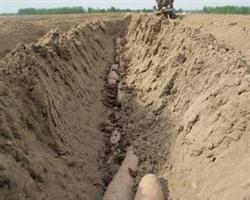
What are the key points of scientific fertilization techniques for yam?
Yam, also known as Chinese yam, is a perennial twining herb of the Dioscoreaceae family, using its tuberous root for medicinal purposes. It is mainly produced in the three provinces of Henan, Shanxi, and Shaanxi, and is also cultivated in Jilin, Liaoning, Shandong, and other places. The tuberous root of yam contains saponins, mannan, phytic acid, allantoin, choline, dopamine, arginine, amylase, protein, fat, starch...
-
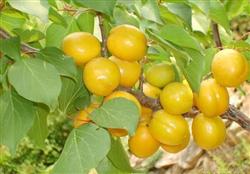
Key Technical Points for Fertilization and Irrigation Management of Apricot Trees
(1) Fertilization: Each year in September to October, after new shoots stop growing, apply sufficient base fertilizer, mainly organic fertilizers such as barnyard manure and chicken manure, combined with a certain amount of quick-acting fertilizer. The amount of fertilizer applied should be determined according to the size of the tree and its growth conditions. Usually, apply 30-50 kg of organic fertilizer per tree, plus about 0.5 kg of compound fertilizer specially formulated for fruit trees. After sprouting...
-
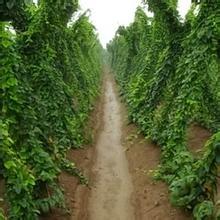
Fertilization technical specifications for pollution-free cultivation of yam
As long as several main aspects of production management are handled well, the planting benefits of yam will be greatly improved. In yam cultivation management, the key points are the application of base fertilizer, loose soil, treatment of yam seed pieces, timely topdressing, disease control, and taking measures to promote the growth of the rhizome as much as possible. 1. ...
-
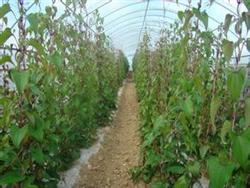
Key Technical Points for Site Selection, Land Preparation and Fertilization in Yam Cultivation
How should yams be managed after planting? From planting until trellising, timely cultivation and weeding should be carried out; later cultivation should be shallow rather than deep, so as not to damage the roots. A few days after the yams emerge, they begin to send out vines, so supports must be set up immediately to train the vines; to increase the light-receiving area, a trellis height of about 1.5 is best. After sowing and until the vines grow, manure can be spread on the ground surface, spread...
-
Key Technical Points and Precautions for Summer Fertilization of Chinese Chestnut
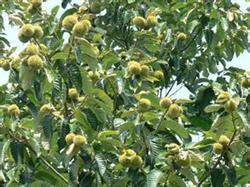
To improve the yield and quality of Chinese chestnut, the chestnut trees should be fertilized in summer. There are mainly two fertilization methods: the soil fertilization method: for chestnut orchards with thin, poor soil and a severe lack of fertilizer, the soil fertilization method gives better results. Dig a circular ring trench within the drip line of the chestnut tree canopy for fertilization, with a trench width of 25 cm and a depth of 2...
-
A Complete Guide to Fertilization Techniques and Key Points for Chestnut Orchards
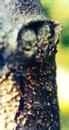
Chestnut blight, also known as chestnut canker, trunk blight, or chestnut bark disease, is a major disease of chestnut trees. It mainly affects the trunk and main branches, often causing the trunk and main branches to rot until the entire tree dies. The chestnut blight pathogen mainly overwinters in diseased branches as mycelium, pycnidia, and perithecia, while conidia and ascosp...
条件筛选