-
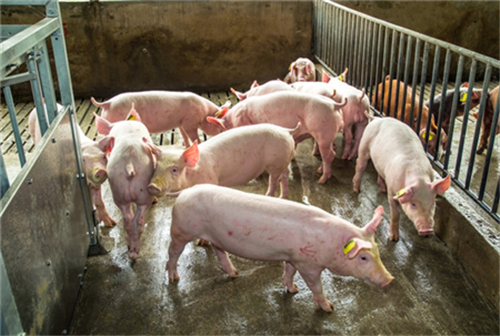
Decay Patterns of Maternal Antibodies in Piglets and Reference Immunization Ages
Decay Patterns of Maternal Antibodies in Piglets and Reference Immunization Ages
-
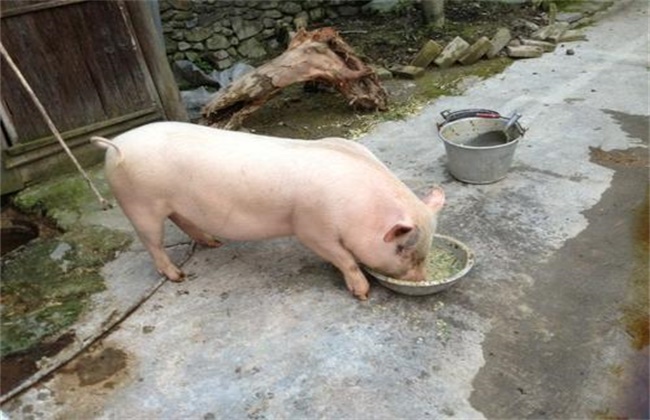
What are some practical measures to improve pig feed utilization?
Measures to improve pig feed utilization
-
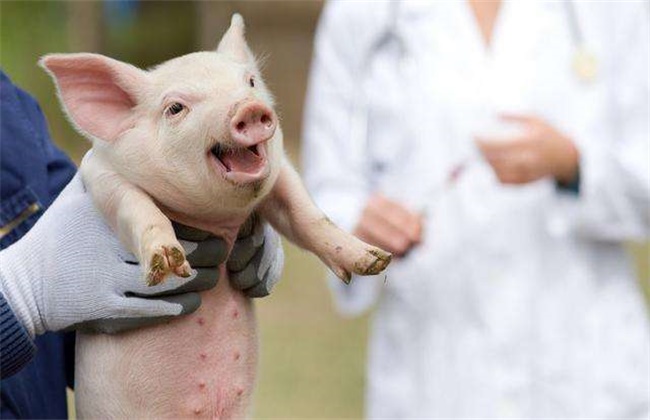
Analysis of the Causes of Immunization Failure in Pig Farms and Prevention and Control Measures
Causes of Immunization Failure in Pig Farms and Prevention and Control Measures
-
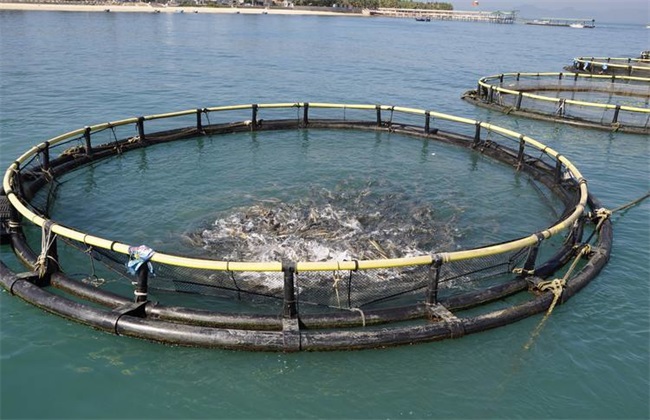
What methods are there to improve feed utilization in fish farming?
How to improve feed utilization in fish farming
-

What are the factors affecting beef cattle feed utilization?
Factors affecting beef cattle feed utilization
-

How do the immunization methods differ for different types of pigs?
Immunization of replacement gilts. Replacement gilts should be vaccinated with the following vaccines 1 month before mating, and sows after weaning should be vaccinated as follows: (1) Swine fever vaccine, 4 doses per head. (2) Swine erysipelas and swine pasteurellosis combined vaccine, 1 dose per head. (3) Swine Japanese encephalitis vaccine, 1 dose per head. (4) Porcine parvovirus vaccine, 1 dose per head (the inactivated vaccine can be given twice, with an interval of 15 days). (5) Swine pseudorabies vaccine, used according to the instructions. Immunization of farrowing pigs. Farrowing sows should be vaccinated with the following vaccines 15-40 days before farrowing: (1) Piglet Escherichia coli quadruple vaccine (K88, K99, 9
-
Comprehensive Utilization Techniques for Fish Fingerling Ponds During the Winter Fallow Period
Using Winter-Fallow Fingerling Ponds to Raise Marketable Fish Raising a crop of marketable fish in winter-fallow fingerling ponds can both increase production and help regulate the "summer shortage" in the aquatic product market. Because the rearing period is relatively short and temperatures are low, the following techniques should be adopted: 1. Stock early, that is, stock immediately after the fingerlings are concentrated in ponds, so as to make full use of the growing period. Based on a maximum water depth of 2 m, the usual stocking rate is 125-150 kg per mu. The usual stocking ratio is about 40% silver carp, about 10% bighead carp, about 30% grass carp and bream, and about 20% black carp and common carp. Stocked fish
-
Detailed Explanation of Pig Immunization Programs: Vaccination Schedules for Pig Farms
Pig farms must always uphold the principle that prevention is more important than treatment, and establish a strict epidemic prevention system. To ensure good returns from pig farming, on the basis of regularly disinfecting pig farms and pens, the following immunization procedures must also be properly carried out: 1. Immunization of replacement gilts. Replacement gilts 1 month before mating, and multiparous sows after weaning, should be vaccinated as follows: 1. Swine fever vaccine, 4 doses per head; 2. Swine erysipelas and swine pasteurellosis combined vaccine, 1 dose per head; 3. Swine Japanese encephalitis vaccine, 1 dose per head; 4. Porcine parvovirus vaccine, 1 dose per head
-
Key Technical Points and Detailed Explanation of Epidemic Prevention Methods for Swine Disease Immunization
Reference Immunization Program 1. Vaccines Recommended for General Inoculation 1.1 Classical Swine Fever Immunization: Newborn piglets receive their first vaccination with the conventional dose of lapinized attenuated classical swine fever virus vaccine at 20 days of age. (It is best to promote zero-time pre-immunization.) Piglets at 50-60 days of age receive the routine second immunization. Selected replacement pigs receive a third immunization before participating in mating. 1.2 Swine Paratyphoid Immunization: The entire herd of adult and replacement pigs are immunized at conventional doses in March of spring and September of autumn. Pig
-
What are the precautions for pig immunization? Pig farmers need to master these key points
Pig farmers immunize their pigs once, twice or more times every year, but the pigs still contract infectious diseases they have been immunized against, causing huge losses. What is the reason? This has a great deal to do with neglecting the precautions for immunization. Therefore, we offer a reminder to pig farmers. First, be careful to buy vaccines from reliable sources. Vaccines or bacterial vaccines need to be managed by special methods so they do not lose their efficacy. Before buying a vaccine or bacterial vaccine, confirm whether the department selling the vaccine has a certain level of technical capability, so as to ensure the efficacy of the
条件筛选