Full-process fertilization technical guide for ginger cultivation
Ginger is an indispensable vegetable variety in daily life. Since this year, supply has been tight, prices have been relatively high, and returns have been good. 1. Plot selection. Ginger should not be grown continuously; it should be rotated with rice, cruciferous vegetables, and leguminous plants. Ginger has a long growth period and is not tolerant of strong light. In the early stage, it can be intercropped with spring-sown crops or vegetables, and in the later stage...
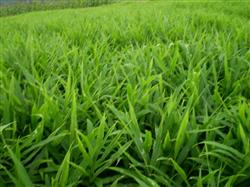 Before planting ginger, sufficient base fertilizer should be applied. Per mu, 20-30 loads of decomposed cow dung and other farmyard manure, and 200-300 jin of plant ash can be applied, then mixed with soil. After ginger sprouts, weeds should be removed promptly and the soil loosened. Because ginger requires a large amount of fertilizer during its growth process, it should be broadcast multiple times. Generally, about 10 days after full seedling emergence, when the seedlings are 2-3 cun tall, seedling-promoting fertilizer should be applied, with 20-30 loads of dilute human and livestock manure and 15-20 jin of potassium chloride or potassium sulfate per mu. When ginger grows to 7-8 leaves, apply 20-30 loads of pig and cattle manure per mu, or use decomposed farmyard manure as a fruit-promoting fertilizer. After application, cover the bed surface with soil to keep the soil moist, and combine with intertillage and weeding to earth up the soil. The human excrement and urine or cake fertilizer used must be fully decomposed. Ginger is a potassium-loving crop and is sensitive to the effect of potassium fertilizer, so organic fertilizer should be increased and quick-acting potassium fertilizer should be applied more. For high-yield ginger cultivation, it is also required that after the seedlings grow to 1 chi, apply a mixture of phosphorus and potassium fertilizer at half a jin each per 100 holes. After 40 days, apply 2 jin of ammonium bicarbonate. From July to August, ginger tubers expand and enter the peak growth season. Every month, intertillage and weeding should be done 2-3 times, and fertilizer should be supplemented according to seedling condition, with frequent earthing up to prevent rhizomes from being exposed and affecting quality. At the Beginning of Autumn, earth up the soil and combine with applying 1.5 jin of urea. Around the End of Heat, apply another fertilizer for strengthening ginger.