-
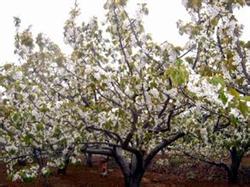
What are the key points of sweet cherry fertilization techniques?
The main fertilization techniques and methods for sweet cherries are as follows: 1. Fertilization techniques. 1. Autumn application of base fertilizer. Autumn application of base fertilizer is generally carried out in late August. Autumn application of base fertilizer coincides with the autumn growth peak of the root system, which is conducive to the absorption of nutrients, while damaged roots can also recover well, and it helps to produce more...
-
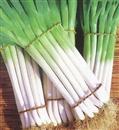
For good quality and high yield in Welsh onions, reducing nitrogen and increasing potassium fertilization is key
In recent years, in order to increase Welsh onion yields, many vegetable growers have blindly increased the use of chemical fertilizers, especially nitrogen fertilizers. According to surveys, on average, pure nitrogen applied to Welsh onions per mu is as high as 40-50 kg, and phosphorus pentoxide 10-15 kg, while potassium fertilizer is applied very little or not at all, resulting in Welsh onion yields not increasing but decreasing, and root rot becoming more severe...
-
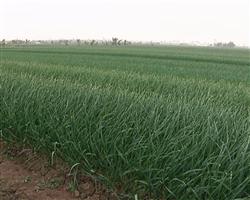
Fertilization Techniques for Garlic Cultivation
The main pests of garlic include onion maggot, seedcorn maggot, root mites, thrips, and leafminers. Control methods: (1) Agricultural control. Before sowing garlic, deep plow the soil and sun-dry the clods for more than 15 days to reduce the residual pest and disease population in the soil. The base fertilizer must be fully decomposed to destroy insect eggs in the manure and prevent adults from laying eggs in it...
-
Detailed Explanation of the Fertilizer Requirements and Key Fertilization Techniques for Chinese Chives
To prevent root maggots and other underground pests, broadcast 5% phoxim granules before sowing at 2 to 3 kg per mu; in addition, to prevent weed infestation, spray 33% pendimethalin EC at 100 to 150 ml per mu or 48% butralin EC at 150 to 200 ml per mu, then rake once more, and sowing and seedling raising can then begin.
-
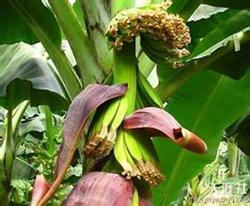
Detailed Explanation of Key Technical Points for Banana Production Mechanization
(1) Management of banana plants at flowering stage ① Bud adjustment: When the banana plant pushes out its flower bud, if any leaf or petiole is in the way of the bud emerging, it should be moved aside or cut away. If the bud happens to emerge right at the petiole and is blocked by the petiole so that it cannot gradually hang down, and if left as it is, the increasing weight of the bud will break the petiole, and the bud...
-
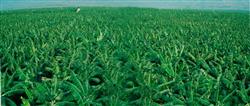
Detailed Explanation of Key Points of Fertilization Techniques for High-Quality Banana Cultivation
1. Suitable planting density. Planting 120-130 plants per mu is relatively suitable, yielding higher production and better commercial appearance quality of bananas. 2. Suitable seedling age and planting time. The suitable planting seedling age is 9-10 leaves, and the planting period is mid-to-late March. In this way, the buds can emerge uniformly in mid-to-late October and be harvested in January-February of the following year....
-
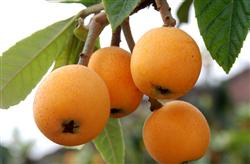
Detailed Explanation of Key Points of Balanced Fertilization Technology for Loquat
According to the fertilizer requirements of loquat, the growth of branches and root systems, and fruit development, determine the appropriate fertilization timing, fertilizer types, amounts, and application methods (pouring, hole application, trench application, or broadcasting followed by turning the soil to cover, etc.), and pay attention to the rational combination of nitrogen, phosphorus, potassium, and organic fertilizer with inorganic fertilizer. (1) Fertilization for young trees...
-
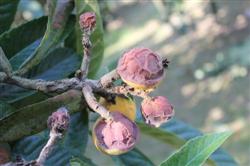
A Detailed Guide to the Nutritional Needs and Fertilization Techniques of Loquat
Loquat anthracnose is a fungal disease that can harm loquat leaves, fruit and seedlings, mainly attacking the fruit. Initially, pale brown water-soaked round spots form on the fruit surface, later turning tea-brown to dark brown round or oval lesions; the affected part becomes sunken and is densely covered with small pale red dots that later turn into small black dots arranged in concentric rings, and the fruit...
-
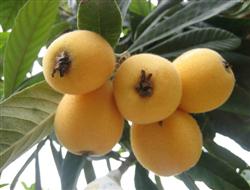
Want loquats to fruit early and yield heavily? Fertilization technique is the key
Fertilizing young trees. Young loquat trees should be fertilized 5-6 times a year. In the first year just after planting, it is best to apply fertilizer once a month. Use fairly dilute human manure urine or organic fertilizer mixed with inorganic fertilizer, applying 1-1.5 kg per tree at 25-30 cm around the tree. From the second year on, apply a shoot-promoting fertilizer once before each new flush sprouts, and 15-20 days later, after the tender shoots have unfolded...
-
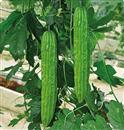
Bitter melon topdressing should not be applied by flushing; master the correct fertilization method
At present, the topdressing method commonly used by vegetable growers cultivating bitter melon is flushing with water, which can apply fertilizer evenly into the soil, but this method of topdressing is not advisable. The reason is that bitter melon is planted at a relatively low density, only 200-300 plants per mu, with only 3-6 plants per row. When topdressing is applied by flushing with water, the fertilizer utilization rate is very...
条件筛选