-
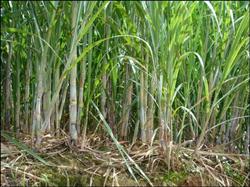
Key Points of Scientific Fertilization Techniques for Sugarcane Cultivation
Sugarcane enters the elongation stage from the time jointing begins and the average stem elongation exceeds 3 cm per ten-day period until elongation basically stops. This is also the golden season for rapid sugarcane jointing and growth, and doing a good job of field management is the key to a bumper harvest. Therefore, the following measures must be carried out well: 1. Apply heavy stem-promoting fertilizer. The sugarcane elongation stage is the period for developing large roots and...
-
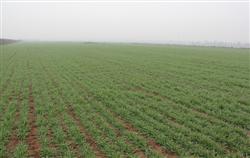
Spring management of wheat focuses on fertilizer and water; fertilization and irrigation must keep pace.
Generally carry out compaction and hoeing, and harrowing when the soil surface is frozen. Harrowing or compaction can break up clods, settle the soil, raise and conserve soil moisture, draw on deep water, and promote root growth and tillering. Through compaction, capillaries form in the soil, and deep soil moisture rises along the capillaries to the upper soil layer, which helps nourish root growth. Early-spring hoeing and harrowing...
-
Pineapple fertilization: pay attention to supplementing nitrogen and potassium fertilizers
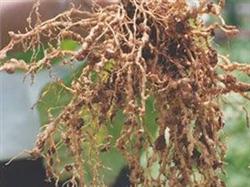
Because root-knot nematodes parasitize in the roots and cause the root tissue to overgrow, forming tumors of varying sizes. Control method: implement quarantine; plants carrying nematode disease must not be brought to disease-free areas. When opening a new orchard, plow and harrow the soil to expose it to the sun in clear weather; sunlight exposure can also kill root-knot nematodes.
-
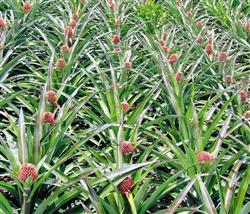
What are the key technical points of fertilization management in pineapple plantations?
Mineral nutrients in the soil are the material basis for the vegetative growth and reproductive growth of pineapple plants. Soil fertility, the amount of fertilizer applied, fertilizer quality, and fertilization techniques are among the important factors that directly affect the normal growth of pineapple plants and the achievement of high and stable yields. Pineapple is a perennial herbaceous fruit tree planted once and harvested for 2-3 crops...
-
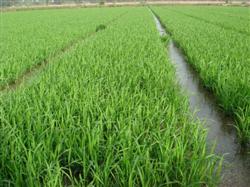
Detailed Explanation of Rice Fertilization Characteristics and Principles
Crop production is influenced by many factors, and fertilization conditions vary endlessly. Understanding crops' fertilizer requirements and fertilization principles allows you to adapt to local conditions, and it is recommended to keep fertilization within a reasonable range. The basic principles include other agricultural measures, intended to help farmers broaden their thinking when analyzing and solving practical problems...
-
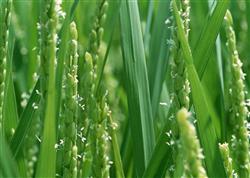
Fertilizer Requirements and Key Fertilization Techniques for Rice at Different Growth Stages
I. Fertilizer Requirements of Rice. Nitrogen, phosphorus, and potassium are the nutrient elements that rice requires in relatively large amounts while soils are relatively deficient in them. Generally, for every 100 kg of rice grain produced, about 1.6-1.9 kg of nitrogen, 0.8-1.3 kg of phosphorus, and 1.8-3.8 kg of potassium are absorbed, with a ratio of approximately 1:0.5:1.3. Nitrogen uptake is highest from the greening stage to the tillering stage...
-
Key Technical Points and Operation Methods for Single-Application Fertilization of Rice
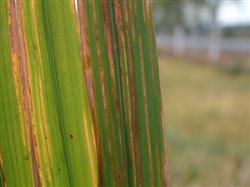
Distribution Rice bacterial leaf streak, commonly known as rice fine streak disease, is one of the important worldwide rice diseases. Its pathogen belongs to the genus Xanthomonas bacteria, and the bacteria mostly invade through leaf stomata; symptoms can appear at any growth stage of rice. The lesions are short and fine narrow streaks, with the stripes appearing between the leaf veins; when viewed against the light...
-
Autumn Mango Fertilization Management Methods and Technical Key Points
Fungal diseases. At present, 6 pathogens causing mango sooty mold have been identified in China. They damage leaves, branches and shoots, and fruit, affecting leaf photosynthesis and fruit appearance. Control methods: First, rational close planting and pruning to keep the canopy well ventilated and exposed to light. Second, focus on controlling aphids, scale insects, and flat-headed leafhoppers...
-
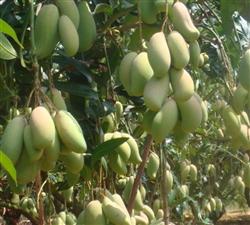
Detailed explanation of key points of fertilization techniques for fruiting mango trees
Fertilization of fruiting mango trees should be based on the principle of reasonably adjusting the contradiction between vegetative growth and reproductive growth. It is necessary both to promote flowering and fruiting in the current year and to control excessive summer shoot growth, and also to promote the sprouting and robust growth of autumn shoots, laying a good foundation for continued high yields the following year. The types of fertilizer applied are still mainly nitrogen, phosphorus, and potassium fertilizers, especially...
-
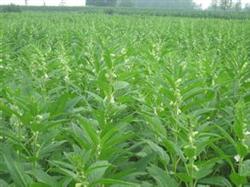
High-Yield Fertilization Methods and Key Technical Points for Sesame
(1) Land preparation: Sesame seeds are small, the root system is weak, and seedlings grow slowly, so fine land preparation is one of the important measures for achieving full emergence and strong seedlings from a single sowing. Sesame is afraid of waterlogging; in low-lying and rainy areas, on the basis of plowing and land preparation, ditches should be opened and raised beds made to do a good job of drainage and waterlogging prevention. In the urban area of Tianjin, spring rain and snow are scarce, so for spring-sown sesame, winter plowing and harrowing should be carried out...
条件筛选