-
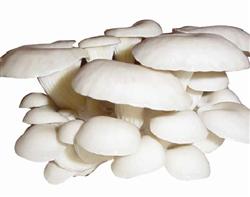
Key Cultivation Techniques for Intercropping Oyster Mushrooms with Cotton
Oyster mushrooms can be cultivated all year round, but those grown in the high-temperature season yield the greatest profit. Reasons: First, summer temperatures are high, making cultivation technically difficult, and pests and diseases occur easily, often leading to cultivation failure. Second, the total area under oyster mushroom cultivation in summer decreases, and total output is low, causing a shortage of fresh oyster mushrooms on the market and driving prices up. Base...
-

How to Intercrop Bamboo Fungus with Soybeans? Detailed Planting Method
How to intercrop bamboo fungus with soybeans? Here is an introduction. Intercropping bamboo fungus with soybeans solves the problem of building trellises for shade, saves costs, and adds a season of income from soybeans. The following planting method is for reference: 1. Cultivation season: According to local climatic conditions and the growth characteristics of bamboo fungus, the suitable cultivation season is when the temperature is stable at 7-30°C. For spring cultivation, sow between February and May...
-

High-Yield and High-Efficiency Cultivation Model and Techniques for Spring Soybean Intercropped with Corn and Relay-Cropped with Sweet Potato
Right now is the sowing season for spring soybean and spring corn. Experts from the Provincial Department of Agriculture remind that the sowing window for spring soybean and spring corn spans a long period, the weather changes rapidly, and sowing conditions vary greatly, so it is not advisable to sow prematurely. The suitable sowing period is from late March to mid-May. Under conventional cultivation, our province...
-

Detailed Explanation of the Technique of Intercropping Corn with High Wheat Stubble Retained
Technique of Intercropping Corn with High Wheat Stubble Retained
-
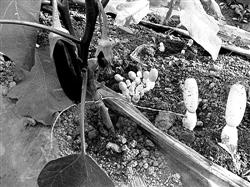
Key Cultivation Techniques for Intercropping Cucumbers with Shaggy Mane Mushrooms
Shaggy mane mushroom, also known as Coprinus comatus, is a typical mesophilic variety. When the soil temperature is below 8°C, it cannot produce mushrooms normally; when the soil temperature is above 30°C, the mycelial vitality declines, the parasitic fungus Psathyrella appears in large numbers, and the shaggy mane crop is nearly wiped out. By cooling in summer and heating in winter, shaggy mane mushrooms can be produced year-round, but in summer...
-
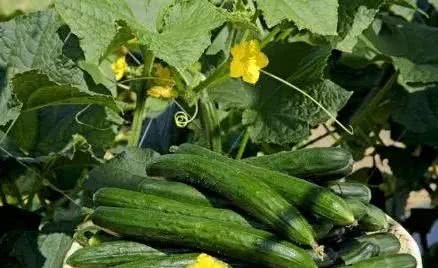
Large space in the cucumber patch means reasonable intercropping can bring high yields, but planting the wrong vegetables together leaves both sides damaged
It is time to sow autumn cucumbers again. Cucumbers have always been a vegetable deeply loved by friends, especially in summer when cold cucumber salad is very refreshing. Cucumbers are also rich in nutrients, full of protein and vitamins, and clear heat and detoxify...
-
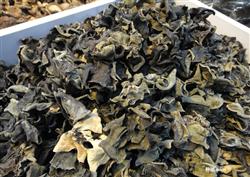
How to grow black fungus (wood ear mushroom) by intercropping? Key technical points explained
How to store wood ear mushrooms properly? Please advise: the optimal storage temperature for wood ear mushrooms is 0°C, relative humidity: above 95%RH. Wood ear mushrooms can be sold fresh or dried. Dried ones store better, but fresh ones have a more delicious flavor, so the choice depends on personal preference. Fresh ones are harder to store; after harvest, store them at low temperature immediately, which can still maintain a...
-
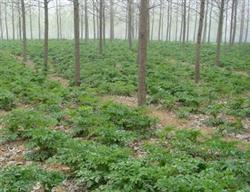
Can dry Pinellia ternata be intercropped in fruit orchards?
Can Pinellia ternata be intercropped in fruit orchards? Please give an introduction. Pinellia ternata is best suited for intercropping in fruit orchards, because it prefers shaded environments. During hot seasons, when exposed to direct sunlight, the plants are prone to lodging (seedlings turn yellow and wither), causing the tubers to stop growing. In the hot summer, the dense foliage of fruit orchards serves as a natural...
-
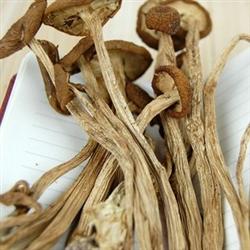
Corn intercropping with tea tree mushroom: planting methods and technical key points
How to intercrop tea tree mushroom with corn? Please refer to the following methods for corn intercropping with tea tree mushroom: 1. Choose a plot with flat land, sheltered from the wind and facing the sun, with convenient water sources, suitable for intercropping in a corn field. 2. Cultivation season. Meet the requirements for tea tree mushroom mycelium growth temperature of 10°C-35°C, optimum temperature 22°C-27°C; fruiting...
-
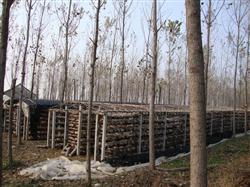
Key Techniques for Summer Cultivation of Black Wood Ear (Auricularia heimuer) in Forest Intercropping
How do you cultivate black wood ear in forest intercropping in summer? Please provide guidance. Under normal conditions, black wood ear grown in forest intercropping should produce 3 flushes. However, at present, after some first-flush wood ears are harvested, the bags become infected with contaminant microorganisms before the second flush even emerges, causing reduced yields or even total crop failure in the second and third flushes, which hurts profits. I. Causes of contaminant microorganism infection during flush transition: (1)...
条件筛选