How to grow black fungus (wood ear mushroom) by intercropping? Key technical points explained
How to store wood ear mushrooms properly? Please advise: the optimal storage temperature for wood ear mushrooms is 0°C, relative humidity: above 95%RH. Wood ear mushrooms can be sold fresh or dried. Dried ones store better, but fresh ones have a more delicious flavor, so the choice depends on personal preference. Fresh ones are harder to store; after harvest, store them at low temperature immediately, which can still maintain a...
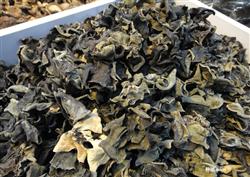 How to intercrop black fungus (wood ear mushroom) well? Please advise
Hanging bags for intercropping black fungus in forest land, sugarcane fields, melon sheds, etc., is a multi-layered three-dimensional form of agriculture. It can make full use of the space of crop planting sites, without competing for land or occupying rooms, and the air is fresh, light is sufficient, temperature and humidity are suitable, and the environment is similar to the ecological conditions required by black fungus, so both yield and quality are better than indoor cultivation. The following points should be noted during intercropping.
1. Site selection: Choose forest land, orchards, corn and sunflower fields, sugarcane field trenches, front and back yards, under melon sheds, etc., near water sources, sheltered from wind and facing the sun.
2. Hanging cultivation method: In forest land and orchards, stretch multiple iron wires on tree trunks and hang bags in layers. Cover the surroundings and top with plastic film to retain moisture. When intercropping in sugarcane field trenches, organize the furrow trenches well in combination with sugarcane field management; the trench width should be 90 cm, depth 40 cm, and bottom width 30 cm. Place bamboo or wooden strips horizontally across two adjacent furrow surfaces; each horizontal rod across the trench can hang two bags, with a rod spacing of 22-25 cm, forming two rows of fungus bags hung in each trench. Cover the horizontal rods with plastic film to block continuous rainwater, and when the wind is strong, the film can also be covered to retain moisture and heat.
3. Key management points: For fungus bags hung in forest land, the humidity in forest land is lower than in open field cultivation or hanging cultivation in sugarcane field trenches. In addition, because bags are hung in layers, the spatial humidity requirement is higher, so after cutting slits, water the ground thoroughly once to keep the relative air humidity at about 90%, so as to promote the formation of fruiting bodies. After the ear buds appear, spray with water; the water droplets should be as fine as cow hair, covering the plastic film shed and surrounding the fungus bags in a mist-like form, maintaining a moist environment and promoting the differentiation of ear buds into fruiting bodies. If hanging cultivation is in sugarcane field trenches, 3-5 days after hanging the bags, irrigate shallow water in the trenches to keep the relative humidity in the trenches at 85%-95%. After the fruiting bodies form, water can be sprayed directly onto the fungus bags. As the wood ear mushrooms grow, increase the amount of spraying from small to large and the frequency of spraying from few to many, so that the ear pieces alternate between dry and wet and remain moist. In the later stage, increase the amount of spraying to prevent the ear pieces from losing water through transpiration. On rainy days, pay attention to drainage, keeping only shallow water in the trenches to prevent rainwater from filling the trenches and causing the fungus bags to be stuck with mud and sewage and then become moldy and rotten.
Click to get more wood ear mushroom cultivation techniques
Click to get more edible fungus cultivation techniques