-
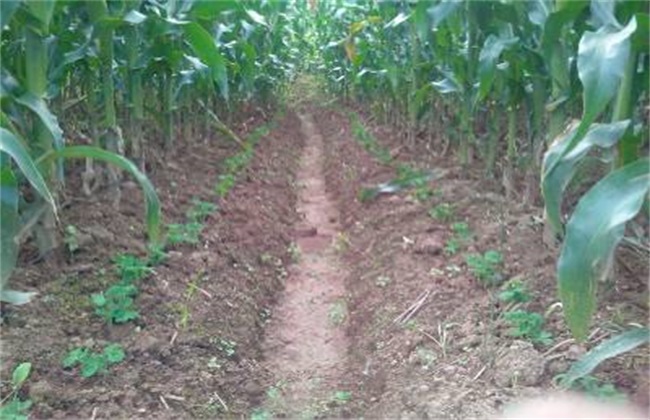
Key Technical Points and Planting Methods for Intercropping Peas Explained
Pea Intercropping Techniques
-
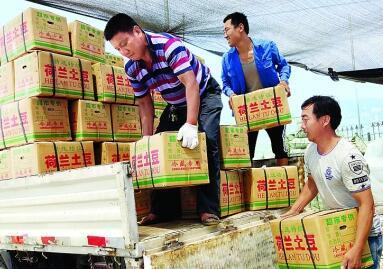
Cooperative in Gangcheng District, Laiwu City: Scientific intercropping boosts farmers' income
Cooperative in Gangcheng District, Laiwu City: Scientific intercropping boosts farmers' income
-
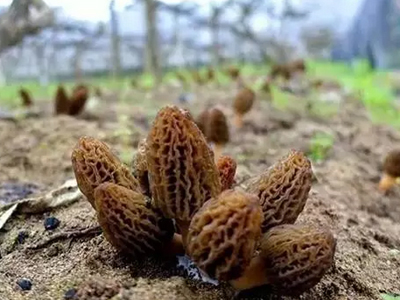
Morel mushroom intercropping model gets online, no worries about sales
"Internet + intercropping model" means morel mushrooms have no worries about finding a market
-
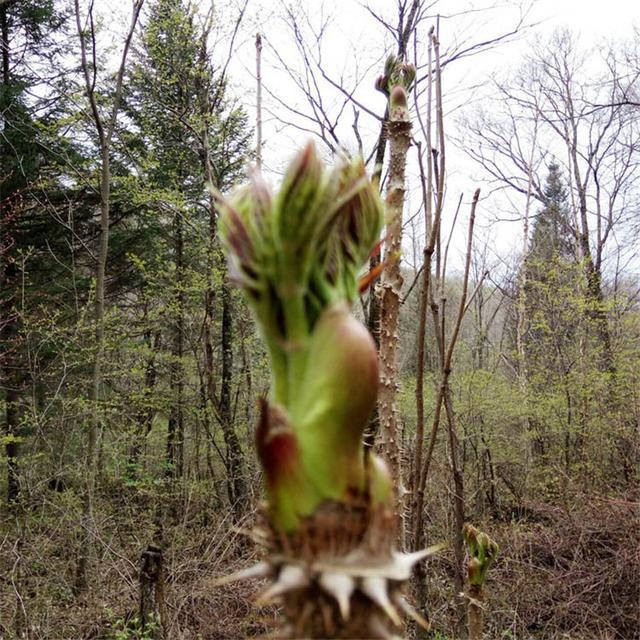
Key Technical Points for Intercropping Cultivation of Aralia elata (Japanese Angelica Tree) under Forest Canopy
Cultivation Techniques for Intercropping Aralia elata under Forest Canopy 1 Planting Techniques 1.1 Site Selection for Planting The planting site should preferably be sunny slopes, semi-sunny slopes, or semi-shaded slopes, with good drainage, slope ≤30°, located on the middle-lower part of the slope, and avoid sites at wind gaps. 1.1.1 ...
-

Key Techniques for Intercropping Sweet Potato with Sesame
Sweet potato is a vining crop with a low light-receiving position. When intercropped with sesame, which has a high light-receiving position, it forms a well-layered crop community, thereby improving light energy utilization. Generally, without reducing sweet potato yield, it increases sesame seed income by 30-40 kg per mu. This planting method is suitable for all sesame-producing regions. 1. Planting methods (1) Sweet potato is cultivated with plastic film mulching. When preparing the land, form ridges with a height of 10-12 cm, a top width of 60 cm, a bottom width of 80 cm, and a ridge spacing of 40 cm. Sweet potato seedlings are raised 7-10 days earlier than usual according to conventional practice.
-
Cultivation Methods and Technical Key Points for Intercropping Garlic in Cotton Fields
When garlic is intercropped in cotton fields, each mu can produce 93 kg of lint cotton and 1,300 kg of garlic, with a benefit of about 3,300 yuan per mu. 1. Cotton: Use insect-resistant hybrid cotton varieties such as Kemian No. 3 and Kemian No. 6. Before sowing, deeply plow the land 25 cm, and together with plowing, apply 3,000 kg of decomposed livestock and poultry manure and 60 kg of potassium sulfate compound fertilizer per mu. Broadcast 2-3 kg of 5% phoxim granules per mu to control underground pests. The suitable sowing period for cotton in Pizhou City is around April 3. Seize sunny days to raise seedlings in double-film nutritional pots. Prepare about 3,000 pots per mu of field. After watering the seedbed thoroughly, sow dry seeds, 1 seed per pot. About 0.35 kg of coated cotton seed is needed per mu of field. After full emergence, ventilate promptly to reduce humidity and control pests and diseases, and cultivate strong seedlings. Transplant around May 12 when cotton seedlings are at the 4-leaf stage, using equal-row spacing with a row spacing of 1.2 m and a plant spacing of 33 cm, planting about 1,700 plants per mu. In mid-to-late May, together with hilling, apply 15-20 kg of urea, 50 kg of superphosphate, and 20 kg of potassium chloride per mu. Around July 20, apply flower and boll fertilizer according to cotton growth, with 30 kg of urea and 15 kg of potassium chloride per mu. In early August, apply topdressing for boll development, with 7.5-10 kg of urea per mu. Pay attention to spraying trace element solutions such as boron fertilizer and monopotassium phosphate. Use mepiquat chloride for chemical regulation 4 times: 1-1.5 g per mu at the full bud stage, 2-2.5 g per mu at the early flowering stage, 3-4 g per mu at the full flowering stage, and 3-5 g per mu after topping. Top around August 6. Pay attention to controlling the third generation of cotton bollworm, cotton aphid, mirids, red spider mites, tobacco whitefly, and other pests. Pull up cotton stalks in mid-November.
-
Detailed Explanation of Key Techniques for Lily Intercropping and Relay Cropping
In the Taihu Lake region of southern China, lily production often uses intercropping and relay cropping to increase income per unit area. Practicing intercropping and relay cropping has some effects on lily growth, and bulb yield decreases somewhat, but the total income per unit area is higher than the returns from monocropped lilies. If the timing and management of intercropping and relay cropping are arranged properly, it is beneficial to lily growth and can also achieve high yields at the same time. Yixing lilies are propagated from daughter bulbs, require a large amount of seed, multiply only 2.5-3.5 times in one year, and the ground space is idle for a considerable period. Local experience in arranging intercropping and relay cropping
-
Detailed Explanation of the Technique of Intercropping Corn with High Wheat Stubble Retained
Technique of Intercropping Corn with High Wheat Stubble Retained
-
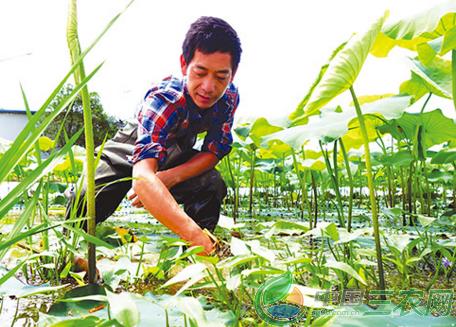
A new model of intercropping lotus root with loach helps farmers start businesses and get rich
A new model for farmers to start businesses and get rich: the lotus root + loach planting model
-
Intercropping Coix with Safflower: Cyclic Improvement of Wetland Soil and Water
Intercropping Coix with Safflower and Cyclic Improvement of Wetland Soil and Water
条件筛选